
Original briefings. Zero spin.
Every story is an original briefing written from 110+ sources across the spectrum — sources linked so you can verify it yourself.
 energy
Major Story (7/10)
Event date: August 26, 2026
energy
Major Story (7/10)
Event date: August 26, 2026
Iraq Moves to Charter Its Own Tankers for Hormuz Runs as Basra Exports Stay Crippled
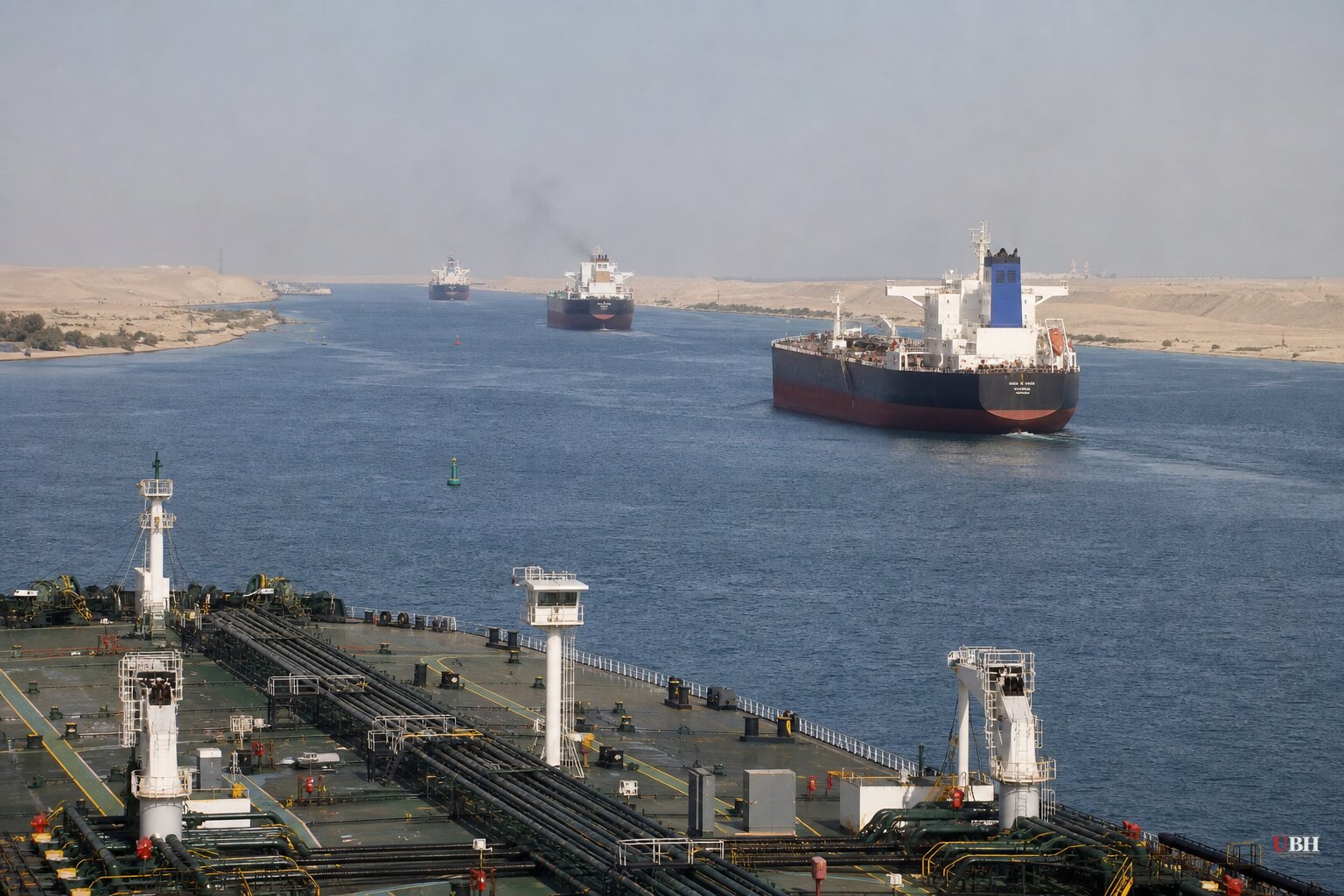
Iraq's government confirmed Friday it is working to hire multiple tankers to move its crude through the Strait of Hormuz, a step already approved by the cabinet and now underway through the state-run Iraqi Oil Tankers Co., a government spokesman told Bloomberg. Baghdad still can't count on getting its oil out of the Gulf without its own dedicated shipping arrangement more than six months into the war between the United States and Iran.
The conflict began February 28. Before it, roughly 20 million barrels of crude and petroleum products moved through Hormuz daily, carrying about a fifth of the world's traded oil and LNG, according to the Daily Wire and Epoch Times. Iran responded to the war by asserting control over the strait, requiring vessels to obtain permission and pay transit fees, according to Iran's IRNA news agency as reported by Business Recorder.
That measure gutted Iraq's exports. Basrah crude shipments fell to roughly 100,000 barrels per day in May, according to Kpler data cited by Shafaq News. They recovered somewhat to about 500,000 bpd in June and 1.4 million bpd in July, still less than half the pre-disruption pace of more than 3.3 million bpd.
Iraq has been lobbying Tehran directly. Parliament Speaker Haibet Al-Halbousi pressed Iran's parliamentary speaker, Mohammad Bagher Ghalibaf, during talks in Baghdad to give Iraqi oil exports "special consideration," and Ghalibaf pledged to "raise the issue" back in Tehran, Shafaq News reported. On August 22, IRNA said Iran had granted passage to a number of Iraqi tankers, though state media didn't specify how many vessels, when they'd cross, or how much crude they carried, according to both Shafaq News and Business Recorder.
Baghdad isn't just waiting on Tehran's goodwill. SOMO, Iraq's state oil marketer, has been negotiating with US and German shipping companies over Iraqi-flagged tankers, a government source told Shafaq News. And separately, Iraq is pursuing pipeline routes through Turkey, Syria and Jordan to cut its Hormuz dependence altogether. A proposed pipeline to Syria's Baniyas port would cost at least $15 billion and take about four years to build.
The Numbers Don't Match
The Trump administration has painted a rosier picture of the strait overall. Energy Secretary Chris Wright told CNBC that more than 17 million barrels crossed Hormuz on a single Monday, and said total regional exports, counting pipelines that bypass the strait, now exceed pre-war levels. "With or without Iran, oil and gas will flow out of the Arabian Gulf region," Wright said. CNN reported, citing US officials, that 40 commercial vessels carrying roughly 18 million barrels transited the strait the following Tuesday, a wartime high, according to the Daily Wire.
But Kpler, an independent tanker-tracking firm, recorded only five confirmed crossings that same Monday, down by half from the day before, the Daily Wire noted. US officials attribute the gap to tankers running at night with transponders switched off, sometimes with Navy assistance, to avoid becoming targets. Neither the administration's figures nor Kpler's have been independently reconciled, and readers should treat both as partial pictures of a strait where much of the traffic is deliberately hidden from tracking.
President Trump told radio host Glenn Beck on August 26 that the strait is "functioning," citing 10 million barrels moved through on a recent Tuesday, and said the US Space Force is monitoring "every square inch" of the waterway for mines. He said American forces had cleared mines Iran had placed and warned that vessels caught laying new ones would be "immediately and systematically destroyed."
On ownership of the waterway itself, Trump and Tehran are talking past each other. Trump has said Washington "has total control" over Hormuz and views it "as an American territory," according to Business Recorder. Iran continues to require permits and transit fees from vessels passing through, per IRNA. Neither claim has been tested by any international body, and the dispute remains unresolved.
Military Backdrop
The traffic numbers sit against a still-active military confrontation. Under a "tanker for tanker" policy, US forces struck two Iranian government tankers anchored off Iran's coast after the IRGC attempted to attack commercial vessels, Breitbart reported, citing Axios. CENTCOM said the broader operation hit roughly 100 targets across Iran, including air-defense systems, radar, mine-laying capability and communications sites. Iran retaliated with roughly 25 ballistic missiles, about half reaching Jordanian airspace, and around two dozen drones toward US facilities in Bahrain, according to US officials cited by Breitbart. Most were intercepted; three missiles landed in remote areas without casualties.
Treasury Secretary Scott Bessent has layered sanctions on top of the military pressure, imposing measures on nearly 60 Iran-linked entities tied to Tehran's nuclear and missile programs, cyber activity and oil shipments, and warning other countries to sever financial ties with Iran or face US penalties, according to the Epoch Times. Iran's Foreign Ministry spokesman Esmail Baghaei warned Tehran would respond harshly to expanded sanctions. "Any escalation of this situation will undoubtedly bring about consequences. Our hands are not tied."
Gulf states aren't waiting to find out how this ends. The UAE is expanding its pipeline from Abu Dhabi's oil fields to the port of Fujairah on the Gulf of Oman, bypassing Hormuz entirely, the Daily Wire reported. Bessent said last month new pipeline capacity could eventually make shipping through the strait "irrelevant." For now, American drivers are footing part of the bill regardless of who's right about the traffic count. US gasoline prices have climbed from about $2.98 a gallon before the war to roughly $4.14, as crude has risen from about $70 a barrel to around $90.
Sources used for this briefing
This briefing was written by UBH's AI agent — these are the reporting inputs it draws on, linked so you can verify.


