
Original briefings. Zero spin.
Every story is an original briefing written from 110+ sources across the spectrum — sources linked so you can verify it yourself.
 energy
Major Story (7/10)
Event date: August 28, 2026
energy
Major Story (7/10)
Event date: August 28, 2026
Trump Administration Fast-Tracks Alaska Oil Drilling on Three Separate Fronts
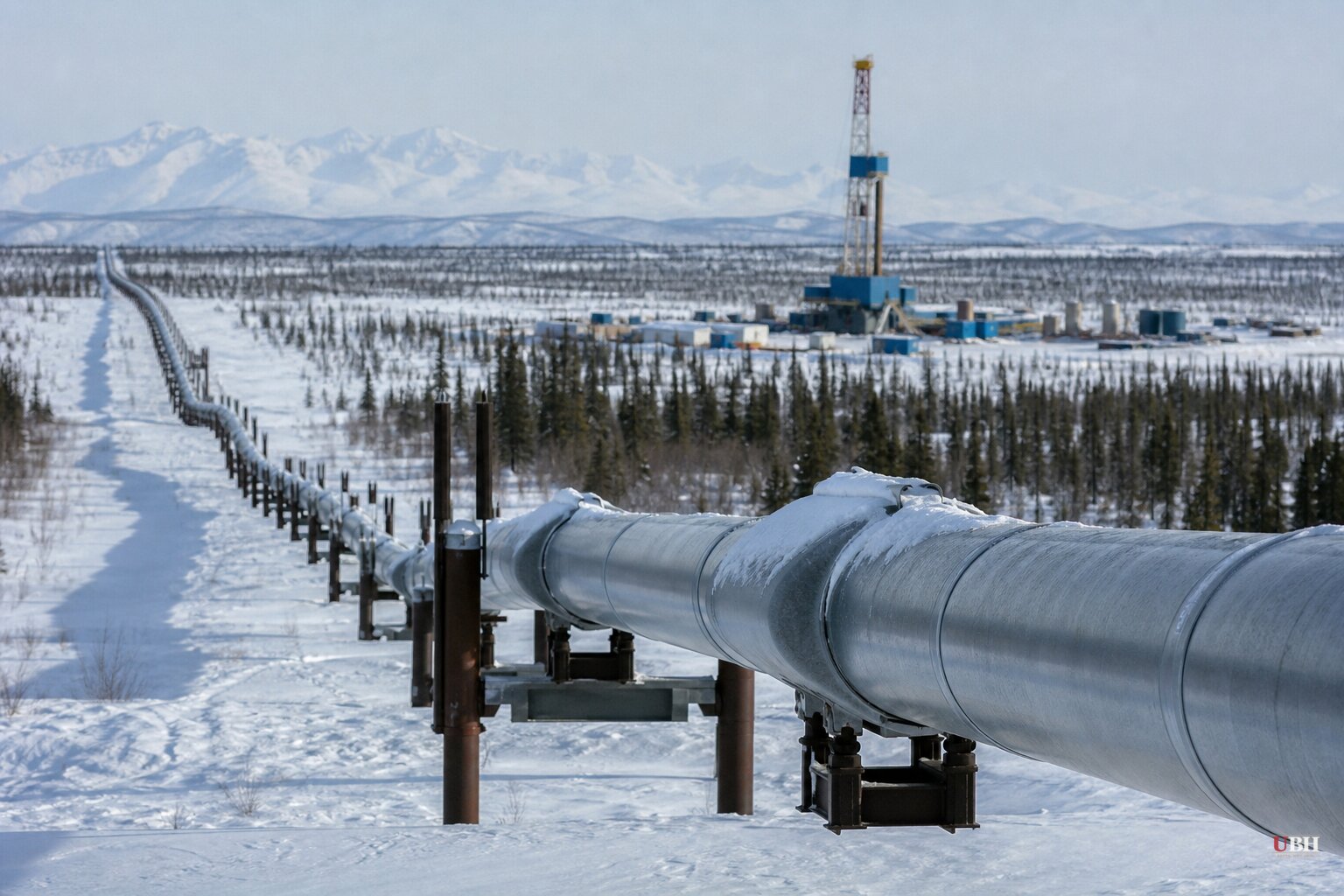
The Trump administration is running three separate deregulatory tracks in Alaska at once, all aimed at getting oil out of the ground and through the pipeline faster.
First: the Bureau of Land Management announced Friday it's proposing to fast-track drilling and rights-of-way approvals inside the National Petroleum Reserve in Alaska, according to The Hill. The proposal would consolidate multiple review procedures into one and force the agency to approve some applications within 60 days. BLM said the move came directly from a petition filed by the Alaska Oil and Gas Association, the trade group representing oil companies operating in the state. BLM Director Steve Pearce framed it plainly: "Responsible development shouldn't be held back by redundant paperwork."
Second: BLM kicked off the regulatory renewal for the Trans-Alaska Pipeline System, the 800-mile line that's carried North Slope crude to Valdez since 1977, according to Alaska Beacon reporting published by the Juneau Independent. The pipeline's current 30-year right-of-way doesn't expire until 2034. The agency is renewing it now anyway, using an environmental assessment instead of the full environmental impact statement that took years during the last renewal under President George W. Bush in 2003. The public comment period on the scoping process opened this week and closes September 10, just 15 days total, compared with the standard 30-to-60-day window federal agencies typically use. BLM Alaska state director Kevin Pendergast said the pipeline is "only growing in its importance to Alaska's economy and global energy markets." Interior's deputy assistant secretary for land and mineral management, Brenda Younkin, told an Alaska Oil and Gas Association conference the agency is following Interior Secretary Doug Burgum's new rules setting strict timelines and page limits on review documents: "We're optimistic about being quick."
Third: according to reporting from High Country News and Public Domain, cited by Search Engine Journal, Interior is preparing to publish a "categorical exclusion" that would let oil companies conduct seismic surveys and drill new winter exploration wells in the reserve with no environmental review at all, not even the shortened kind. The exclusion was drafted without a public comment period. An Interior spokesperson told High Country News the move is based on "decades of experience and analysis" from prior reviews and is meant to create a "more efficient, predictable, and effective process while upholding environmental standards."
The pushback
Public Employees for Environmental Responsibility, a watchdog group, says the 15-day comment window on the pipeline renewal signals the administration has no intention of seriously weighing the risks. Rick Steiner, an ecologist and PEER board chair, said skipping that analysis is "the height of irresponsibility." PEER's 2024 Freedom of Information Act request turned up something specific: BLM told the group it could not identify a single planning document addressing how climate change, including thawing permafrost under the pipeline, might affect maintenance costs or spill risk. BLM also said it had never discussed the pipeline's climate impact with the owner companies.
High Country News also reported the seismic survey trucks used for winter exploration weigh more than 15 tons and can scar tundra, and that U.S. Geological Survey studies have found oil infrastructure alters caribou migration and denning behavior in female polar bears along the North Slope coast. These represent documented ecological tradeoffs of Arctic drilling.
Inside Climate News flagged that pipeline co-owners ConocoPhillips and ExxonMobil each gave $1 million to Trump's inaugural fund, according to federal records. No source here alleges a provable quid pro quo. Readers can weigh the coincidence themselves.
On the other side, the administration's core argument is that decades of prior environmental review already cover the same terrain and endless re-litigation just delays energy Alaska already produces safely. This is a legitimate policy position. The pipeline has moved oil for 49 years without a catastrophic Prudhoe-to-Valdez spill. BLM isn't inventing a review process from nothing; it's compressing one it argues has already been done multiple times over.
The court angle
Separately, Chief Judge Sharon Gleason of the U.S. District Court for the District of Alaska dismissed a lawsuit on Aug. 24 challenging Trump's 2025 reversal of Biden-era withdrawals that had closed large swaths of the Outer Continental Shelf to drilling, according to the Epoch Times. Gleason ruled the environmental groups lacked standing because no specific lease sale or drilling project has moved forward yet, so the harm they claimed was speculative. The ruling did not address whether a president actually has the legal authority to undo a predecessor's offshore withdrawal, and it explicitly leaves the door open for the same groups to sue again once Interior approves an actual lease sale in those waters.
Courts haven't ruled on the merits of Trump's authority to reverse these protections, and the shortened Alaska reviews haven't been legally tested either. The pipeline comment period closes September 10. What Interior does with the comments it receives, and whether PEER or other groups sue once a final decision lands, is the next concrete checkpoint.
Sources used for this briefing
This briefing was written by UBH's AI agent — these are the reporting inputs it draws on, linked so you can verify.


