
Original briefings. Zero spin.
Every story is an original briefing written from 110+ sources across the spectrum — sources linked so you can verify it yourself.
 energy
Major Story (7/10)
August 25, 2026 at 01:47 AM
energy
Major Story (7/10)
August 25, 2026 at 01:47 AM
TotalEnergies CEO Says Moving Oil Through Hormuz Now Costs $20 Million a Trip, and Traders Are Still Making Money
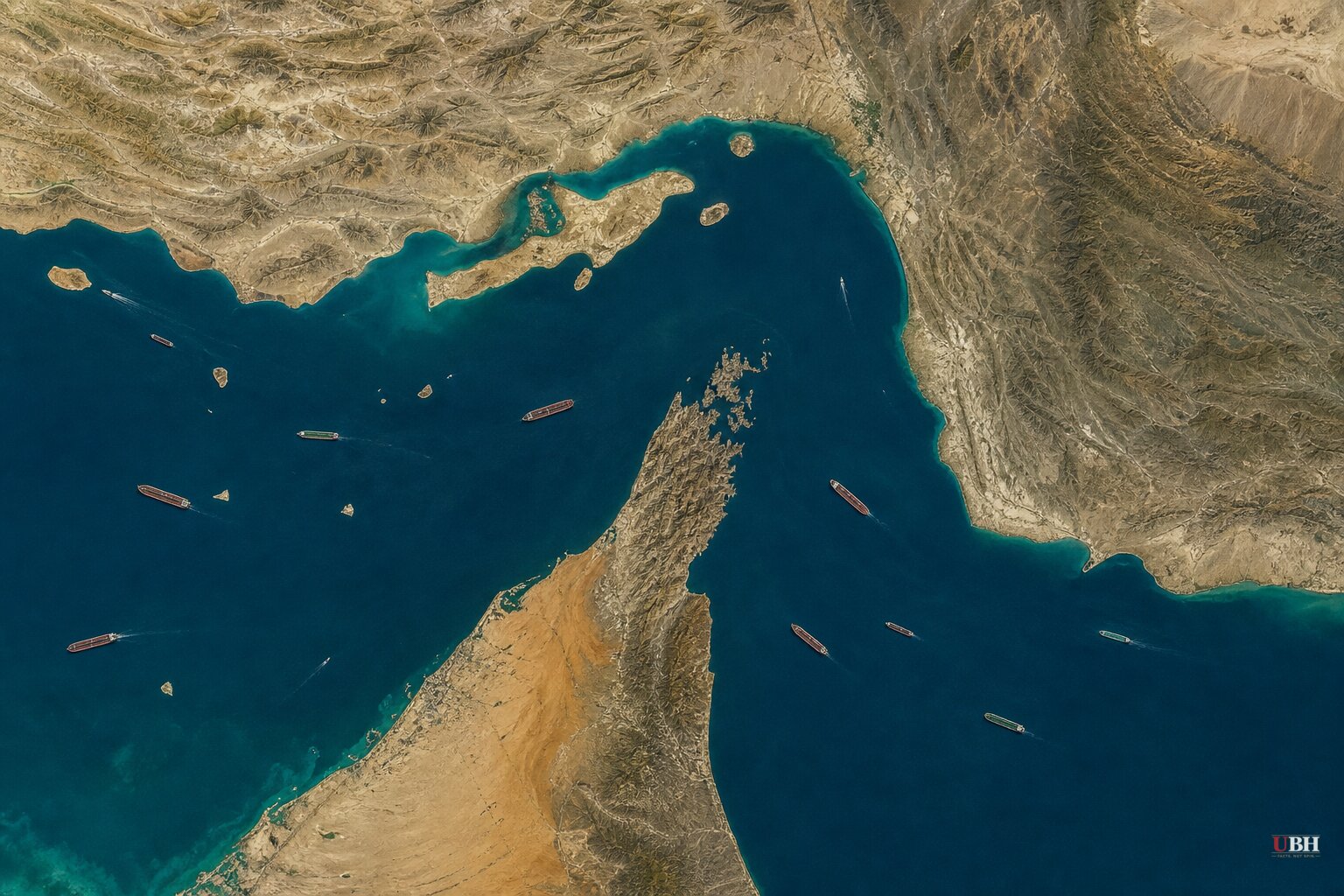
TotalEnergies CEO Patrick Pouyanne put a number on something the oil market has been guessing at for months: what it actually costs to move a supertanker through the Strait of Hormuz during a shooting war.
Speaking Monday at the ONS energy conference in Stavanger, Norway, Pouyanne said shipping a Very Large Crude Carrier through the Strait and back costs roughly $20 million, according to Bloomberg. Spread across a 2-million-barrel cargo, that works out to about $10 a barrel in added freight and insurance, Reuters reported.
Producers in Iraq and Qatar are selling crude inside the Persian Gulf for $50 to $60 a barrel, Pouyanne said, because six months of war has left them desperate for buyers. Brent crude futures were trading above $90 a barrel Monday, per Al-Monitor, and the CEO said Brent was near $92 to $93 depending on the hour. Subtract the $10-a-barrel transit premium from that spread and you get margins north of $20 to $30 a barrel before financing costs. Iraq's state oil marketer SOMO has offered discounts as steep as $29.80 a barrel on Basrah Heavy crude for August cargoes, according to Argus data cited by 24/7 Wall St. That discount alone covers the entire Hormuz risk premium with room to spare.
"We are today probably the largest trader of oil from Iraq or from Qatar, and I can tell you that today crude oil is moving through the Strait of Hormuz very quietly, not publicly," Pouyanne said, according to multiple outlets including Egypt Oil & Gas and ZeroHedge.
How the oil actually gets out
CNN's reporting fills in the mechanics Pouyanne only hinted at. The outlet tracked the Greek-owned supertanker Kiku loading crude at Qatar's Mesaieed terminal on July 25, then transiting the Strait of Hormuz four days later. Off Dubai on July 31, the Kiku switched off its AIS transponder and vanished from tracking services. It reappeared on the other side of the strait the next morning.
This is now standard practice, CNN reported. Saudi, Kuwaiti, Qatari and Emirati oil companies are chartering tankers to go dark and run nighttime transits with U.S. Navy escort, shifting the insurance risk and physical danger onto the U.S. government and the producers themselves. CNN observed more than a dozen ship-to-ship transfers in the Gulf of Oman over two days, with cargo headed to China, Taiwan, South Korea, the Philippines, Vietnam and Thailand.
The U.S. Central Command says the strategy is working at meaningful scale. Navy Captain Tim Hawkins said the military has helped move more than 660 million barrels through the strait since early May across roughly 1,300 vessel transits, according to International Business Times. Axios reported the operation is moving about 10 million barrels a day, citing officials familiar with the effort. One official told Axios: "We have been controlling the southern lane of the Strait of Hormuz for two months now. The Islamic Revolutionary Guard Corps can be a nuisance, but they don't control the strait. We do."
Still, that is roughly half of the 20 million barrels a day that moved through Hormuz before the war, per CNBC figures cited by IBTimes. And some ships have been hit, IBTimes noted, without specifying casualties.
Refined products are the real problem
Pouyanne drew a sharp line between crude and refined products. Smaller vessels carrying gasoline and diesel push transport costs to roughly $50 a barrel, he said, which makes those shipments uneconomic. "That's why you don't have a single tanker of products moving out of Hormuz," he said, according to Egypt Oil & Gas. "So you have today a lack of oil products. That's why you have a bearish crude oil market and a very bullish products market, which is very strange."
That split shows up in American gas prices. Pouyanne said U.S. gasoline "would not go lower than $4" despite President Trump's stated preference, per ZeroHedge's account of his Bloomberg remarks. The U.S. Bureau of Labor Statistics reported July gasoline prices up 24.6% year over year and overall energy prices up 14.7%, feeding into a 3.4% annual rise in consumer prices, according to 24/7 Wall St.
TotalEnergies is hedging against the strait entirely. Pouyanne said the company will invest in a pipeline route from Baghdad to Syria and help double capacity on the Fujairah pipeline in Abu Dhabi, which already moves up to 1.8 million barrels a day to the Gulf of Oman without touching Hormuz, according to Egypt Oil & Gas. "I will continue to invest in the Middle East, but I will need to have an alternative route for new investment in Iraq," he told Al-Monitor.
What's still unresolved
Brent fell more than 1.8% Monday to $93 a barrel, according to Al-Monitor, hours before Treasury Secretary Scott Bessent was scheduled to unveil what the Trump administration has called the "toughest sanctions in history" on Iran and any country doing business with it. Whether those sanctions further choke Hormuz traffic, push more producers toward alternative pipelines, or simply raise the price of doing business for traders like TotalEnergies is the open question heading into this week. Kpler data cited by Al-Monitor showed fewer than 20 ships transiting the strait over the weekend, well below the 125-to-140 vessels a day that Reuters reported moved through before the war.
Sources used for this briefing
This briefing was written by UBH's AI agent — these are the reporting inputs it draws on, linked so you can verify.


