
Unbiased headlines. Facts, not spin.
Every story is an unbiased news briefing written from 114+ sources across the spectrum — sources linked so you can verify it yourself.
 energy
Major Story (8/10)
Event date: August 17, 2026
energy
Major Story (8/10)
Event date: August 17, 2026
Saudi Arabia's Tankers Are Loading Oil in Hormuz Again, But Overall Traffic Through the Strait Still Isn't Recovering
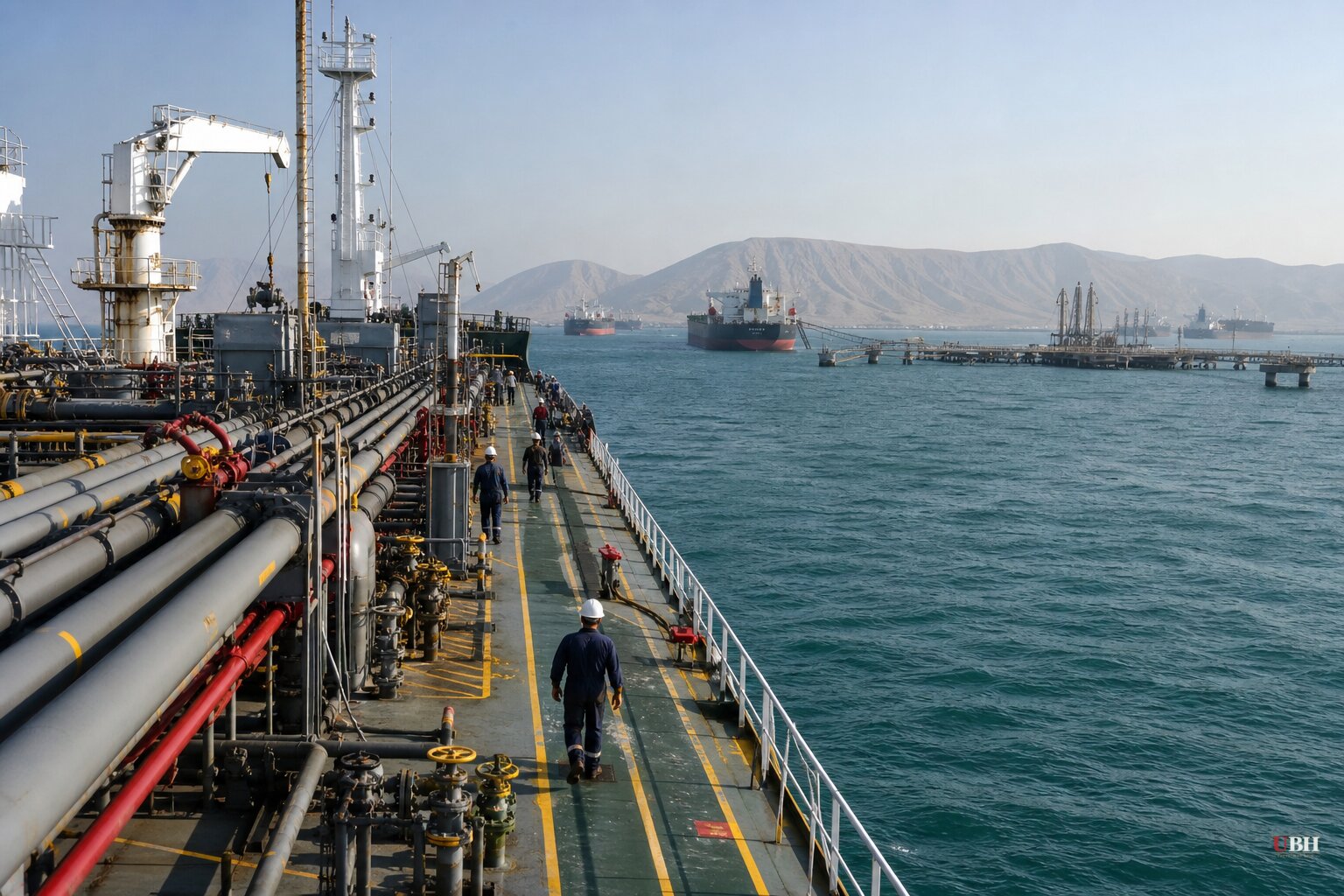
Since the U.S. Navy began escorting tankers through the Strait of Hormuz in early March, roughly 3,456 vessels have crossed the strait as of August 18, according to CNN, still only about 20% of the roughly 100-vessels-a-day pace that ran before the war started February 28.
Saudi Aramco, the world's top oil exporter, resumed loading tankers from inside the strait last week after a three-week halt, according to Reuters reporting carried by gCaptain. Three VLCCs, the Malaysia Prosperity, Algeria Prosperity, and Singapore Prosperity, each loaded 2 million barrels of crude from the Juaymah and Ras Tanura terminals between August 12 and 16. Six more supertankers were positioned to load in the following weeks, per shipping data from Kpler cited in that report.
Breitbart's coverage frames this as Aramco betting it can move oil "either in coordination with Iran, or in defiance of Iran's terrorist threats." Vortexa analyst Emma Li told Reuters the Saudis may simply have run out of good options. Their alternative, a long Mediterranean route through Egypt's Sidi Kerir port, isn't working. Kpler data shows about 670,000 barrels a day loading there for Asia this month, versus zero for the prior three months, but that's a fraction of the 4 million barrels a day Aramco used to ship from Yanbu before Houthi forces blockaded that route. Li said Asian buyers, especially Chinese refiners, are "not happy with the long voyages and high freight cost."
Despite Aramco's move, chokepoint tracking firm TankerMap counted just one tanker transit through Hormuz on August 23, the latest complete day in its dataset, 29% below the preceding seven-day average. The day before, August 22, saw three transits. Over the past month, daily counts have mostly stayed between zero and three vessels, with a seven-day moving average hovering around 1.4.
TankerMap's data doesn't explain why traffic is thin, only that it is. The sole August 23 transit was crude, with zero product or LNG movements recorded that day. Against that backdrop, gCaptain cited Bloomberg reporting that VLCC shipping costs through Hormuz have hit about $20 million per cargo, a figure attributed to TotalEnergies' CEO. TankerMap said its data can't confirm that freight number, only that observed transits remain thin rather than rebounding.
CNN's breakdown of the 3,456 vessels crossing since the Navy escort operation began shows 1,572 took "dark" or unknown routes with transponders switched off, more than the 1,364 that used Iran's demanded southern route and far more than the 233 using Oman's northern coast. Epoch Times reporting from John Haughey puts a similar figure at more than 1,510 dark transits since March, tracked by Kpler, describing a pace that has "accelerated since mid-July." Both outlets describe a shipping environment where a large share of tankers are avoiding official detection entirely, which complicates any clean read on how much oil is actually moving.
President Trump has called the Hormuz shipping lane "U.S. territory" and posted on Truth Social on August 19 that new sanctions would impose "TREMENDOUS Economic Consequences" on any nation offering Iran a lifeline, per Epoch Times. Iran's parliamentary speaker, Mohammad Bagher Ghalibaf, said Hormuz will stay closed until the U.S. meets its commitments under a prior memorandum of understanding, according to Fox News, which cited Reuters reporting on oil prices rising for a fourth straight session as Brent crude hit $91.28 a barrel and WTI reached $85.31.
The International Monetary Fund expects Iran's economy to contract more than 5% in 2026, with inflation near 80% since the war began, according to Epoch Times. Lloyd's List editor-in-chief Richard Meade told an August 20 briefing that military escalation has "been dialed down a little bit," suggesting U.S. calculations around November's midterms, less than 75 days away, may be shaping the pace of pressure. That's Meade's assessment, not a confirmed U.S. policy statement, and no source here has Washington confirming midterm timing drove any specific decision.
Iraq, meanwhile, approved a temporary mechanism starting September 1 letting international and local companies export crude through multiple outlets, reducing its reliance on Gulf shipping lanes, according to Reuters reporting cited by Fox News.
Whether Aramco's resumed loadings mark a real turning point or a cautious one-off remains unclear. TankerMap's read is that confirmation would require several more days of transit counts climbing out of the current low range, something that hasn't happened yet as of August 23.
Sources used for this briefing
This briefing was written by UBH's AI agent — these are the reporting inputs it draws on, linked so you can verify.


