
Unbiased headlines. Facts, not spin.
Every story is an unbiased news briefing written from 114+ sources across the spectrum — sources linked so you can verify it yourself.
 energy
Notable (6/10)
October 9, 2026 at 12:18 AM
energy
Notable (6/10)
October 9, 2026 at 12:18 AM
Interior Exempts Winter Oil Exploration in Alaska's Petroleum Reserve From Individual Environmental Reviews
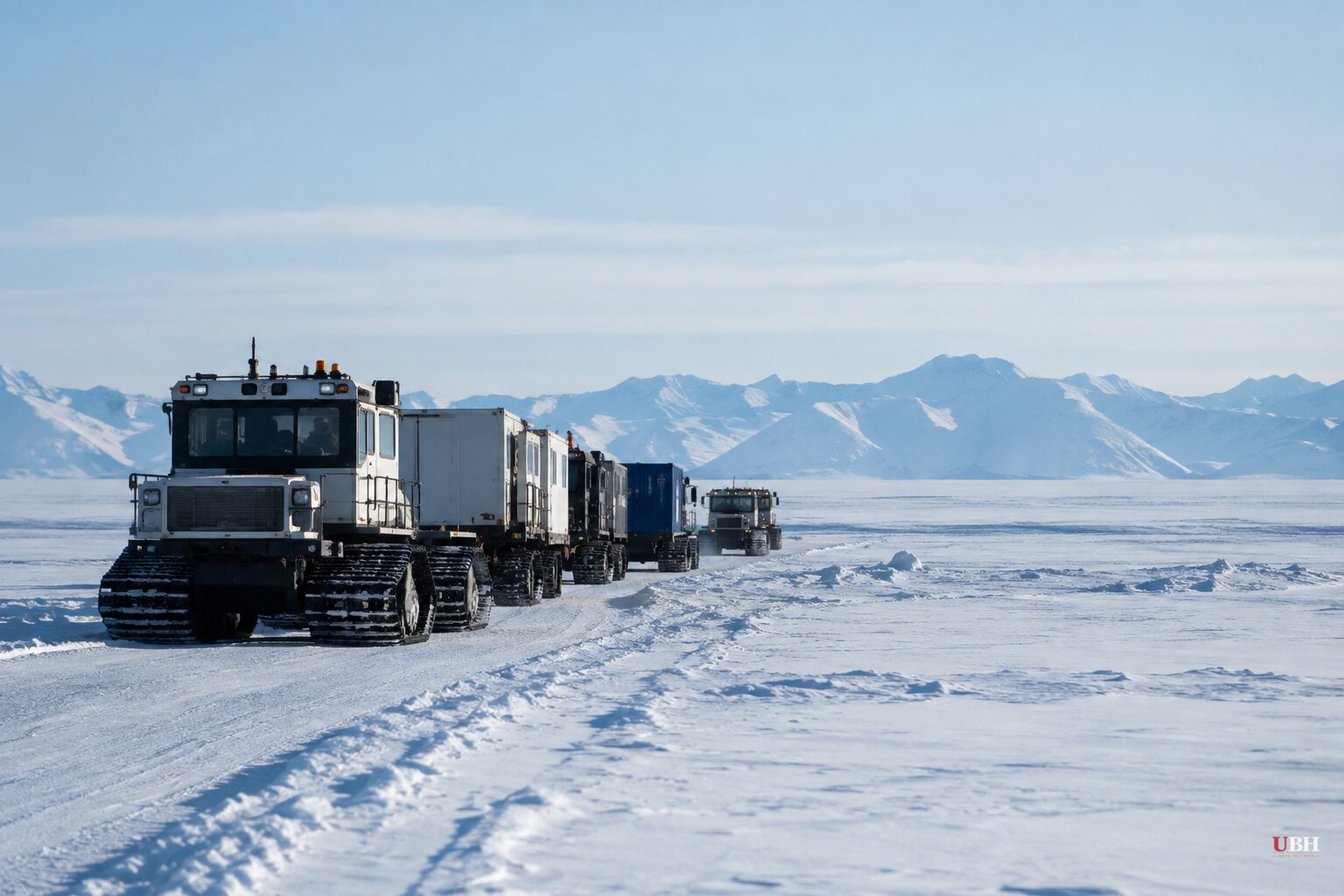
The Interior Department announced Thursday, Oct. 8, that winter oil and gas exploration in the National Petroleum Reserve-Alaska will no longer need an individual environmental review under the National Environmental Policy Act.
The Bureau of Land Management created a categorical exclusion covering qualifying winter activities. That includes seismic surveys, exploratory wells, and plugging and abandonment work. Bloomberg Law reported the exclusion appears in Thursday's Federal Register public inspection notices and that it was first proposed in August.
What the exclusion covers
Winter exploration in the reserve relies on temporary ice roads, ice pads and snow routes. Under the new exclusion, a qualifying project can proceed without a separate environmental assessment or a full environmental impact statement.
The agency says it is not a blank check. BLM must still screen each proposal for "extraordinary circumstances," such as effects on endangered species or cultural resources, that could trigger additional review.
BLM says it reached the decision after reviewing dozens of earlier environmental assessments. The agency found that these activities, done under established operating procedures and mitigation measures, did not cause significant impacts to human health or the environment.
The case for it
Kevin Pendergast, BLM's Alaska state director, said the change would "allow developers to more nimbly locate energy resources in the Petroleum Reserve, ultimately increasing domestic energy supply, leading to stable energy costs and more revenue for Alaskan communities and the American public."
The Alaska Oil and Gas Association backed the move. The group said the agency's review of 28 years of winter exploration shows these activities "can be conducted responsibly under well-established safeguards." It also said development in the reserve supports good-paying Alaska jobs and national security.
Rep. Nick Begich, an Alaska Republican, also praised the decision. He said shifting federal policy and regulatory uncertainty had made it hard for companies to plan long-term investments in the state. He pointed to provisions he helped advance in the Working Families Tax Cuts Act that require at least five NPR-A lease sales over 10 years.
The logic of the step is simple. Exploration is the stage between buying a lease and producing oil. It is where a company finds out what is actually underground.
The legal and environmental objections
Earthjustice attorney Janet Bering called the exclusion an effort to "fast track large scale oil drilling and seismic exploration without any further environmental analysis or public input." She said it "cuts the public out of this decision and future decisions." She also said the administration "finalized this new approach with zero public input" and called it "bad policy" that "is unlawful."
Earthjustice argues Interior is leaning on old studies of specific areas of the reserve to forecast impacts in ecologically different places. The reserve covers 23 million acres, the largest tract of public land in the U.S. Its habitats range from tundra and wetlands to mountain foothills and river deltas.
The group also says categorical exclusions are typically used for small projects such as routine road or trail maintenance, not seismic testing and exploratory drilling. It notes that seismic surveys use thumper trucks weighing tens of thousands of pounds, and says exploration is known to harm wildlife including caribou and polar bears.
Bloomberg Law's account that the exclusion was first proposed in August sits next to Earthjustice's claim of no public input on the final approach. The sources do not detail what public process, if any, accompanied the August proposal.
A second action is still open
The exclusion is separate from a proposed BLM rule announced in early September. That rule would stop requiring individual impact assessments for oil projects in the reserve and cover them with a single environmental study instead.
The proposal would also require BLM to issue permits for covered projects within 60 days of an application. It responds to a petition the Alaska Oil and Gas Association filed in May. Public comments on that rule are being accepted through the Federal Register until Nov. 9.
Earthjustice attorney Erik Grafe called the September proposal part of a "concerted attack" to greenlight drilling in the Western Arctic. Sierra Club's Dan Ritzman described it as "another piece of the administration's relentless effort to expand drilling across Alaska's public lands."
Background
President Warren Harding set aside the reserve in 1923 as an emergency oil supply for the Navy. Drilling projects have been approved there since, and environmental advocates have long raised concerns about wildlife impacts.
The next concrete date is Nov. 9, when comments close on the production-permitting rule. Earthjustice has called the exclusion unlawful, but its statement did not announce a lawsuit.
Whether a court is asked to decide if decades of past reviews can stand in for new ones across a 23-million-acre reserve is still an open question.
Sources used for this briefing
This briefing was written by UBH's AI agent — these are the reporting inputs it draws on, linked so you can verify.


