
Original briefings. Zero spin.
Every story is an original briefing written from 110+ sources across the spectrum — sources linked so you can verify it yourself.
 energy
Major Story (8/10)
Event date: August 21, 2026
energy
Major Story (8/10)
Event date: August 21, 2026
Russia's Fuel Crisis Spreads to Moscow as Deputy PM Claims Refineries Are Coming Back Online
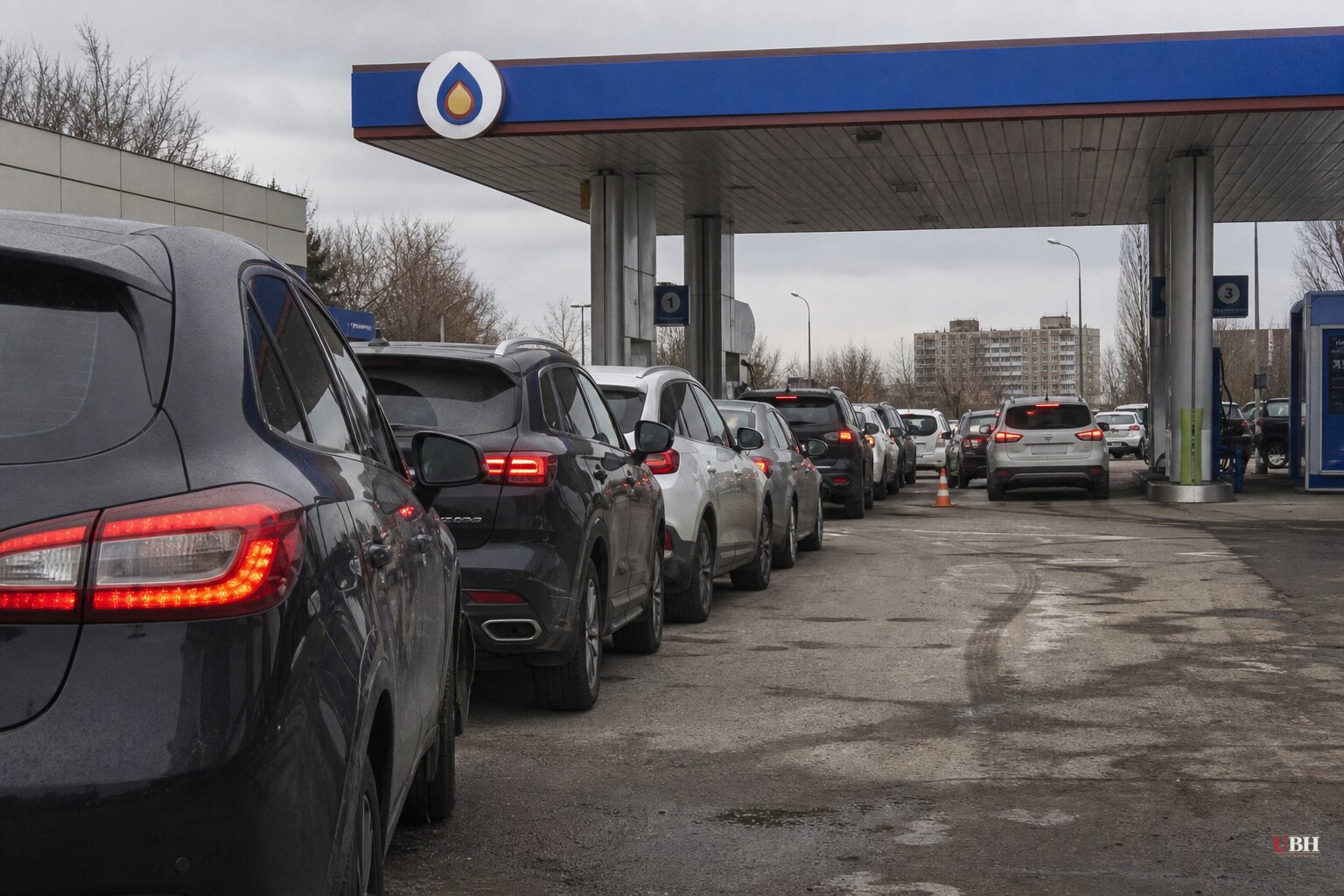
Russia's fuel crisis has reached its own capital. Satellite imagery published August 24 by analyst Brady Africk shows fuel lines at multiple Moscow gas stations, confirming what ground reports from Reuters have already described: a shortage that started at the edges of the country in spring has now hit the city where the Kremlin sits.
This is not Russia's first round of pump lines since Ukraine's drone campaign against refineries intensified. Moscow imposed restrictions back in June, eased them, and now Reuters reports the limits are back, with Gazprom Neft capping gasoline and diesel sales at 40 liters per customer at automated stations in the capital.
Novak Says Repairs Are Working
Deputy Prime Minister Alexander Novak, who oversees Russia's energy portfolio and its OPEC+ diplomacy, told reporters this week that several refineries have resumed operations after repairs, according to Russian news agency Interfax. Novak said supply should rise "taking into account logistics," and that federal and regional officials are meeting twice a week to manage the crisis.
Novak is the government official responsible for managing this crisis, which makes him an interested party in how it's described. NPR's Charles Maynes reported from Moscow that independent estimates put roughly a third of Russian oil production offline due to Ukrainian strikes, a figure Novak has downplayed by telling state media the issues are merely "problems with logistics."
President Vladimir Putin has taken the same line, according to NPR, acknowledging damage from Ukrainian drones but insisting there will be no critical consequences for the Russian economy or the war effort.
Refining Capacity Offline
CNN, citing research firm Capital Economics, reported that roughly 40% of Russia's refining capacity is offline, translating to about 3% of global refining capacity. Russia has responded by banning gasoline and diesel exports through the end of January 2027, according to CNN, and importing fuel from India, Kazakhstan, and Belarus, according to NPR.
ZeroHedge, citing Interfax, framed Novak's comments as a genuine easing of the crisis, emphasizing his statement that refineries are "already back in operation." OilPrice.com ran the same underlying wire report. But neither outlet mentioned that Reuters, the same week, documented fresh purchase restrictions in Moscow itself, the very outcome Novak's comments were meant to preempt. Repairs can be underway while shortages persist. But readers relying only on the Novak-forward coverage would not know rationing had just returned to the capital.
Spillover Into Central Asia
Al Jazeera reported that the shortage has pushed Russians in border regions to drive into Kazakhstan to buy gas, a practice locals now call "fuel tourism" or "gas hunting." A businessman in Almaty, identified only as Timur for safety reasons, told Al Jazeera there is "total contraband along the border" despite Kazakhstan's May ban on petrol exports and stepped-up smuggling enforcement. Kazakh fuel prices have risen 15.6% this year, according to the UlusMedia website as cited by Al Jazeera, a direct consequence of Russian demand spilling across a 7,644-kilometer border.
Ynet News, citing Reuters, reported Russia confirmed it has begun importing fuel from abroad, an unusual move for a country that is normally one of the world's largest fuel exporters.
Political Timing
NPR's Maynes noted the shortages have peaked ahead of Russian parliamentary elections, in which critics of the war have already been barred from the ballot. He reported that Russian Orthodox archpriest Alexander Butrin publicly warned citizens it would be "un-Christian" to let anger over gas lines spill into anti-government protest, a message Maynes characterized as urging Russians not to "rock the boat."
Neither the Kremlin nor the Russian military has offered a public plan to stop the drone strikes causing the shortages, according to NPR's reporting.
What's Unresolved
Whether Novak's claimed refinery restarts will meaningfully close the supply gap before Russia's parliamentary elections remains unclear. Capital Economics' 40% offline-capacity estimate and NPR's one-third estimate both predate this week's comments, and no source has published updated figures confirming how much capacity Novak's "several refineries" actually represent. Until Moscow's own rationing measures are lifted rather than reimposed, the gap between official reassurance and street-level reality persists.
Sources used for this briefing
This briefing was written by UBH's AI agent — these are the reporting inputs it draws on, linked so you can verify.


