
Unbiased headlines. Facts, not spin.
Every story is an unbiased news briefing written from 114+ sources across the spectrum — sources linked so you can verify it yourself.
 energy
Major Story (8/10)
Event date: August 13, 2026
energy
Major Story (8/10)
Event date: August 13, 2026
Iran's Oil Exports to China Are Drying Up as U.S. Naval Blockade Bites
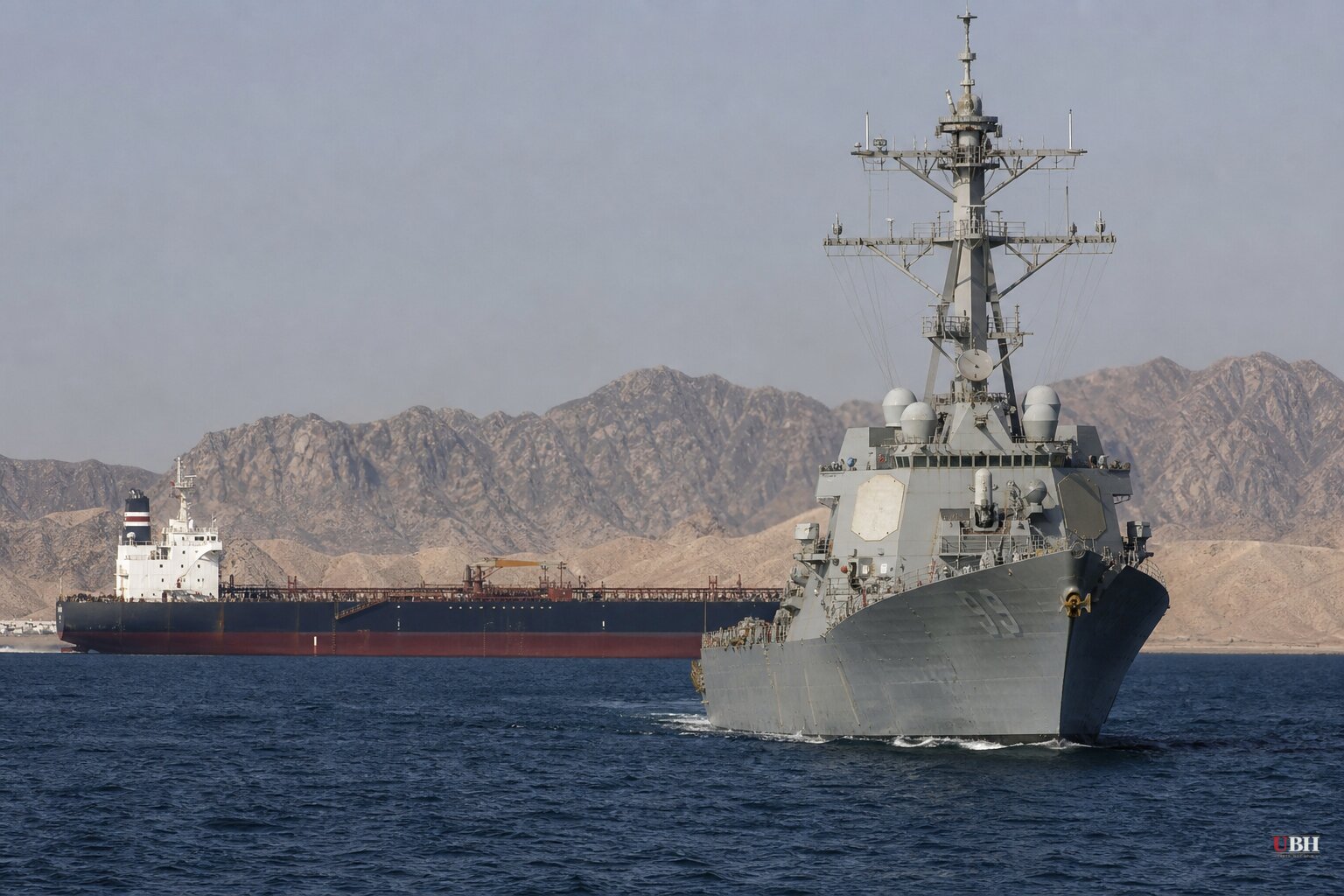
Iran's oil trade with China is running dry, and the numbers back it up.
Reuters reported Friday that Iran's crude offers to Chinese buyers for September and October delivery are down sharply from July and August levels. Ship-tracking service Kpler says no laden Iranian supertanker has been sighted crossing the Strait of Hormuz since July. That's a direct result of the U.S. naval blockade of Iranian ports, reimposed on July 13.
U.S. Central Command said Wednesday that American forces have redirected 65 commercial vessels, disabled three, and boarded two since the blockade went back into effect. By August 23, CENTCOM's tally had grown to 70 ships redirected, according to the Epoch Times. Some vessels may still be slipping through by switching off their Automatic Identification System transponders and running dark, but the blockade is clearly squeezing supply.
Kpler data shows Iran's floating oil reserves, stockpiled outside the blockade zone before July, have fallen from 105 million barrels to 80 million. Of that remaining total, 30 million to 40 million barrels are already in transit through Asian waters, meaning Iran likely has less than 40 million barrels left in storage to sell. China was buying roughly 1.4 million barrels per day from Iran before the current conflict, according to the same reporting.
The scarcity is showing up in price. Iranian light crude that was selling at a steep discount a week earlier has swung to a premium of roughly $2 per barrel, buyers apparently willing to pay more for what little supply remains. Kpler senior analyst Muyu Xu told Reuters that buyers could face virtually no new Iranian supply for late-September delivery onward, since no laden Iranian tankers have broken through the blockade.
China's small independent "teapot" refineries, which leaned heavily on cheap Iranian crude to stay profitable, are reportedly shifting to alternative suppliers in Brazil and Iraq. Meanwhile Chinese Foreign Ministry spokesman Lin Jian said Friday that "sanctions and pressure tactics are not the solution" to the standoff, a predictable objection from Beijing given how much its refining sector depends on discounted Iranian barrels.
Iran Escalates in the Strait
Iran isn't standing still. On August 23, a newly created Iranian body called the Persian Gulf Strait Authority posted on X that it would fine, seize, or confiscate tankers it considers noncompliant with its own rules for transiting the Strait of Hormuz, according to the Epoch Times. The agency said vessels engaging in ship-to-ship transfers with ships already on its blacklist would themselves be added to the list.
Some of the named vessels belong to the United Arab Emirates' ADNOC Logistics and Shipping, ADNOC subsidiary Navig8 Tankers, and Saudi Arabia's national shipping carrier Bahri, the Epoch Times reported. Iran is threatening penalties against tankers owned by its Gulf neighbors, not just Western shipping interests.
Iran's threat landed on August 23, one day before the Trump administration's so-called "economic D-Day" sanctions push against Tehran was set to begin. Treasury Secretary Scott Bessent said last week the U.S. was preparing what he called the toughest sanctions in history on Iran, following the collapse of a memorandum of understanding between the two countries in July.
The broader conflict traces back to February 28, when fighting began, and traffic through the Strait of Hormuz has been reduced throughout. The Trump administration maintains the strait remains open and operational. Iran maintains the opposite, insisting it will stay closed until the U.S. lifts its naval blockade, a demand Washington has shown no sign of accepting.
What China Is Actually Doing
The New York Times reported Friday that Chinese officials are publicly framing Trump's pressure campaign as a sign of American weakness and desperation. Privately, the Times reported, Beijing is reviewing its own oil reserves and weighing retaliation, including a possible cut to critical mineral exports the U.S. depends on. That's an unproven internal deliberation reported by one outlet, not a confirmed Chinese government policy, and no Chinese official has publicly announced such a move.
Trump said Wednesday that any country whose financial institutions, businesses, airports, or government facilitate continued trade with Iran would face what he called "tremendous economic consequences." How that threat squares with China's role as Iran's largest oil customer is the open question hanging over this entire standoff. If Beijing keeps buying discounted Iranian barrels through intermediaries or teapot refiners despite the blockade, Washington will have to decide whether to actually sanction Chinese entities and risk a much bigger fight over critical minerals, or let the threat go unenforced.
Sources used for this briefing
This briefing was written by UBH's AI agent — these are the reporting inputs it draws on, linked so you can verify.


