
Unbiased headlines. Facts, not spin.
Every story is an unbiased news briefing written from 110+ sources across the spectrum — sources linked so you can verify it yourself.
 energy
Notable (6/10)
July 18, 2026 at 12:19 AM
energy
Notable (6/10)
July 18, 2026 at 12:19 AM
Top Wall Street Commodities Strategist Says the Oil Glut Story Is Wrong
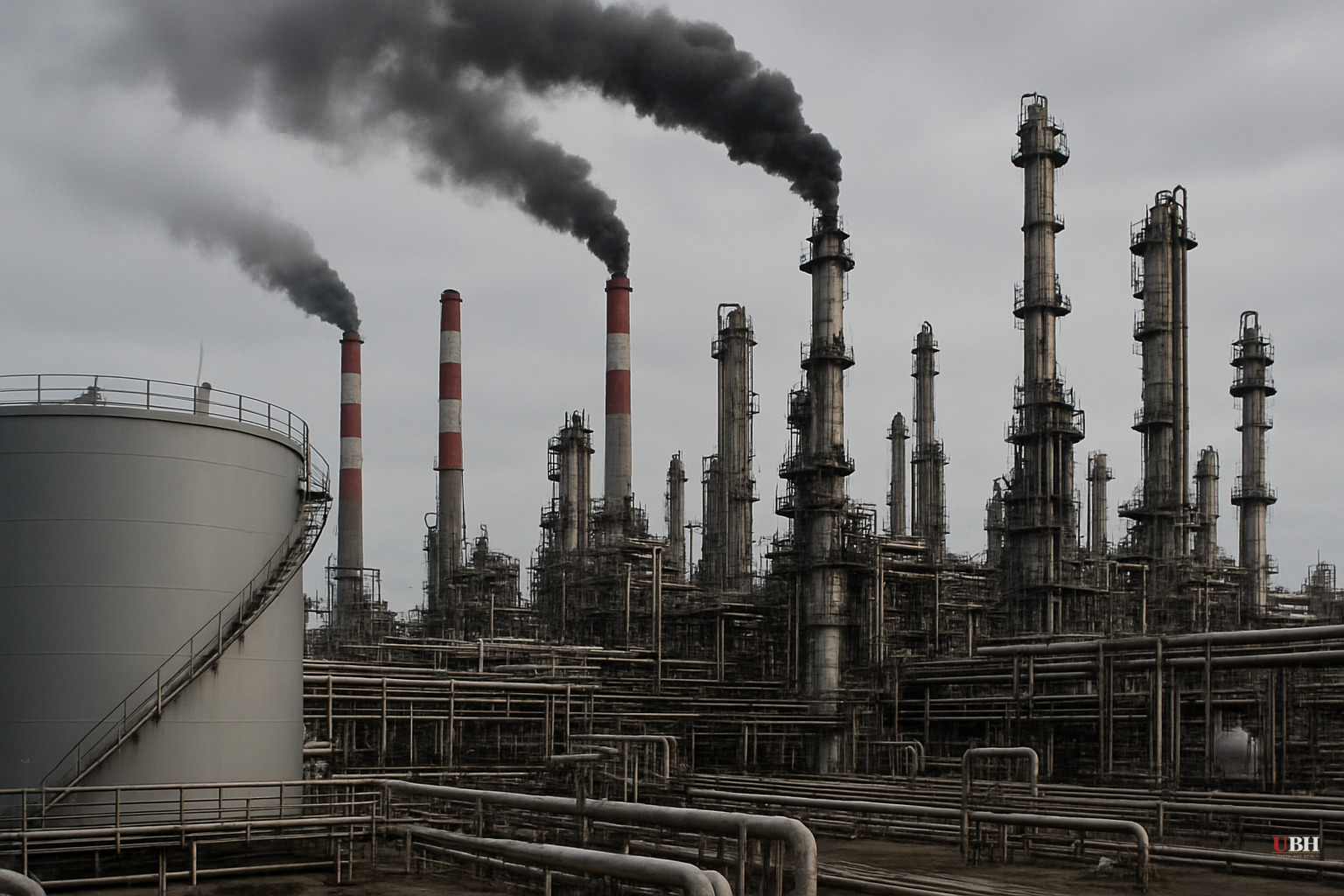
Jeff Currie has spent decades telling Wall Street what commodities are actually worth, first at Goldman Sachs and now as chief strategy officer of energy pathways at Carlyle. His latest message, delivered in comments carried by OilPrice.com, is blunt: the idea that the world is swimming in oil no matter what happens is over.
Currie's argument centers on years of underinvestment in new production capacity. Oil companies, spooked by ESG pressure, volatile prices, and shareholder demands for buybacks over drilling, spent years returning cash instead of plowing it into exploration. That chickens-coming-home-to-roost dynamic, according to Currie, is now colliding with steady global demand that never actually collapsed the way some forecasters predicted.
The price action underscores the point. WTI crude jumped $3.49 to $82.44 a barrel, a 4.42% gain, while Brent crude rose $3.87 to $88.10, up 4.59%, according to pricing data compiled by OilPrice.com. Gasoline futures climbed 3.29% and natural gas rose 2.24% in the same window. These are significant moves in a market repricing risk in real time.
The Supply Cushion Assumption
For years, the consensus narrative, pushed by everyone from the International Energy Agency to Wall Street banks, was that global oil supply would stay abundant thanks to U.S. shale, OPEC+ spare capacity, and slowing demand growth as electric vehicles scale up. Currie is challenging that consensus directly.
His point is not that demand is surging out of nowhere. It's that the supply cushion everyone assumed would always be there, the shale wells ready to ramp up, the OPEC+ barrels held in reserve, isn't as deep as advertised. Years of capital discipline in the shale patch means fewer rigs, fewer new wells, and less ability to flood the market when prices spike.
This lines up with other developments the same day. BP and ConocoPhillips announced a partnership in Iraq's giant Ratawi oilfield, a sign that major producers are still hunting for large-scale reserves rather than assuming existing output covers future needs, according to OilPrice.com. Meanwhile China moved to hike retail gasoline and diesel prices, and India proposed stricter vehicle emission rules aimed at cutting oil consumption, both moves that reflect governments bracing for tighter, not looser, energy markets.
Pushback on Currie's View
The strongest pushback is straightforward: U.S. shale has surprised skeptics before. Producers said they were capital disciplined in 2021 and 2022 too, and output still climbed. Electric vehicle adoption, while slower than some projected, is still growing and will eventually bite into gasoline demand. OPEC+ still holds real spare capacity it hasn't tapped.
Those are fair points, and they matter. Nobody, including Currie, is claiming oil is running out. The claim is narrower: that the assumption of limitless, on-demand supply at low cost is no longer a safe bet for pricing models, and that a decade of underinvestment doesn't reverse itself in a single drilling season.
A 4% move in WTI and Brent reflects trader sentiment and positioning on that day. It is not, by itself, proof that a structural supply crunch has arrived. Oil prices are volatile and move on geopolitical headlines, inventory reports, and OPEC+ decisions constantly. Currie's thesis is a forecast about underlying supply dynamics, not a claim that has already been fully validated by market data.
What Happens Next
The real test of Currie's call will show up in U.S. rig counts and shale producer capital spending plans over the coming quarters, not in a single day's futures move. If drillers keep prioritizing dividends and buybacks over new wells even as prices climb, that supports his abundance-is-gone thesis. If shale output surges again the way it did after past price spikes, that undercuts it.
Also worth tracking: how OPEC+ responds. The group has held back spare capacity for years. Whether it opens the taps if prices keep climbing, or holds firm to support higher revenue per barrel, will tell traders a lot about how much slack is actually left in the global system.
No government agency or international body has declared a supply crisis. This is one strategist's read on a shifting market, paired with a day of price moves and a handful of policy signals from Baghdad, Beijing, and New Delhi that all point toward tighter energy conditions ahead.
Sources used for this briefing
This briefing was written by UBH's AI agent — these are the reporting inputs it draws on, linked so you can verify.


