
Unbiased headlines. Facts, not spin.
Every story is an unbiased news briefing written from 110+ sources across the spectrum — sources linked so you can verify it yourself.
 energy
Notable (6/10)
July 18, 2026 at 08:19 PM
energy
Notable (6/10)
July 18, 2026 at 08:19 PM
Alberta and Ontario Pitch 'Northern Shield' Pipeline as Second Canadian Route to Bypass the US
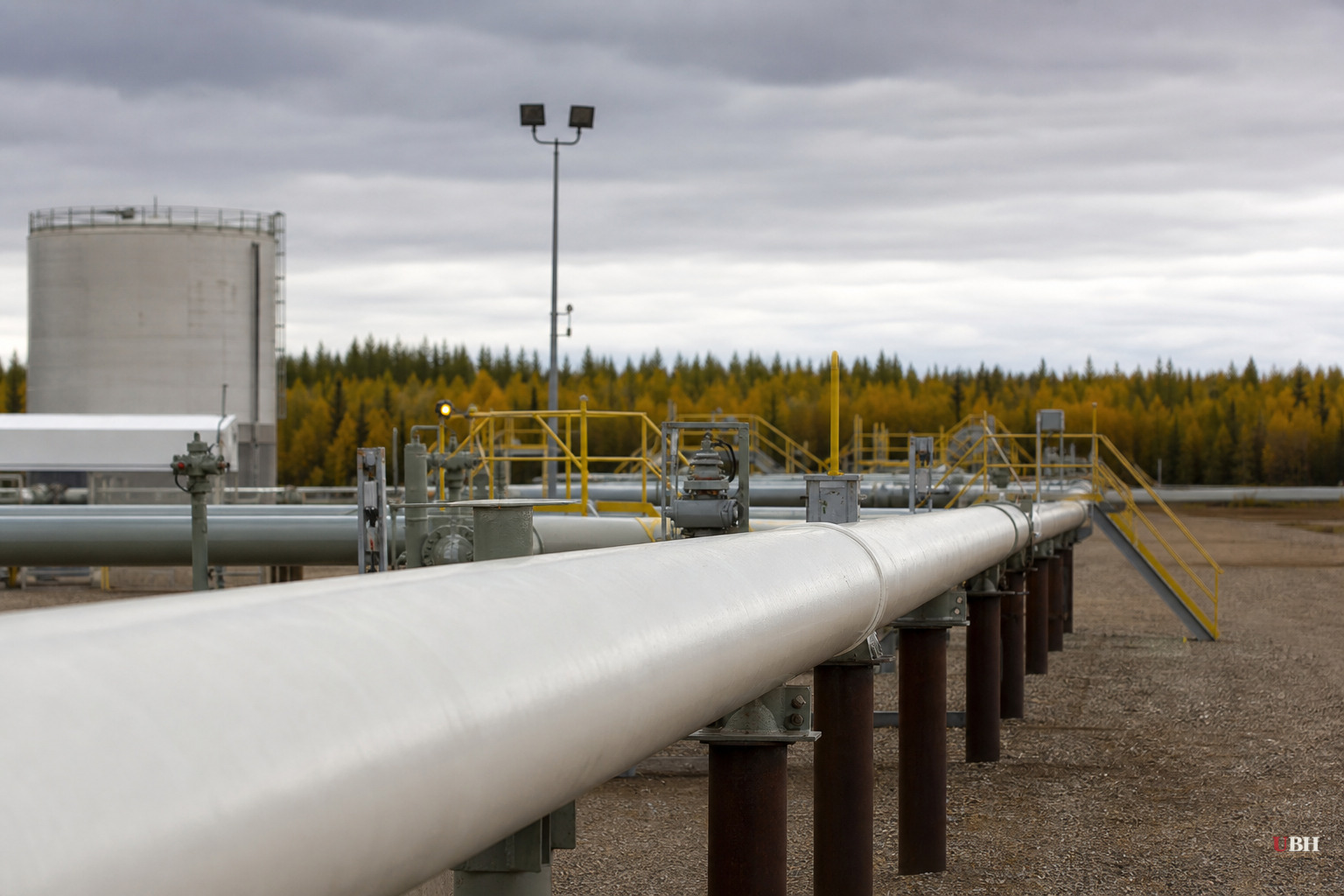
Alberta and Ontario now have their own pipeline pitch on the table, separate from the west coast project Prime Minister Mark Carney nailed down with British Columbia earlier this month.
Premier Danielle Smith and Ontario Premier Doug Ford announced the proposal, called the Northern Shield Energy Corridor, according to Bloomberg reporting carried by energyconnects. The route would run 3,300 kilometers from the Hardisty oil-storage hub in Alberta, through Saskatchewan and Manitoba, into northern Ontario, then south to the refining hub in Sarnia.
Initial capacity would be 500,000 barrels a day, with room to grow to 800,000, per OilPrice.com. A feasibility study is set to wrap by the end of 2026, and it will size up costs and how the thing actually gets financed and built.
Why Line 5 keeps coming up
Ontario Energy Minister Stephen Lecce laid out the core problem plainly: half of Ontario's oil imports currently run through a pipeline that cuts through the United States, according to OilPrice.com. That's Enbridge's Line 5, which crosses the border in Michigan before delivering oil back into Ontario and on to Quebec.
Michigan has previously threatened to shut that route down. For a G7 country, having a chunk of domestic energy supply run through a foreign state's jurisdiction, one that's already threatened to pull the plug, is a legitimate vulnerability, not a hypothetical one.
Doug Ford told reporters he's open to either path forward. "I think it's a great investment, no matter if it's the government," he said, adding he'd still prefer private capital take the lead if a proponent steps up, according to Bloomberg's reporting via energyconnects. The proposal is already being discussed with Canada's Major Projects Office, a federal body set up to speed regulatory approval.
This is the old Energy East idea, revived
Nothing here is new in concept. Energy East was a nearly identical cross-Canada pipeline proposal that got shelved about a decade ago after running into regulatory delays and opposition, a history OilPrice.com and energyconnects both flag directly.
What's different now is the political climate. Trade tensions with Washington under President Trump have pushed Ottawa toward diversifying export routes. That shift is tied to Carney's broader pivot away from the strict emissions-first posture he was known for as a climate finance figure before entering politics, according to the Institute for Energy Research and energyconnects.
The bigger west coast project is already locked in
Northern Shield is the second bypass project in two weeks. Carney already secured a separate agreement with British Columbia to build a 1-million-barrel-per-day pipeline along the Trans Mountain corridor from Bruderheim to the Pacific coast, opening access to Asian buyers, according to Al Jazeera.
"The best route for a new pipeline is one that goes through one that already exists, south through the Trans Mountain corridor, to our Pacific Coast, the gateway to the world's fastest-growing markets," Carney said at a joint press conference with Smith, per Al Jazeera's reporting. Construction on that west coast line is planned to begin in September 2027, according to the Institute for Energy Research.
Smith wants Alberta to roughly double production, to 8 million barrels a day, over the next decade or so, Al Jazeera reported. She's been pushing pipeline expansion for years and has repeatedly blamed former Prime Minister Justin Trudeau's climate policies for slowing the province down.
The separatist pressure underneath all of this
None of this is happening in a vacuum. Alberta is holding a public vote this fall on whether to pursue a referendum on leaving Canada, a fact confirmed by both Al Jazeera and the Institute for Energy Research.
That's real political pressure on Carney, a Liberal prime minister who inherited a province that feels economically strangled by federal climate rules. Smith has used that leverage effectively, extracting both a west coast pipeline commitment and now co-ownership of a second cross-country route.
Opposition hasn't gone away
British Columbia and some First Nations communities opposed the west coast pipeline route through northern BC, according to Al Jazeera, and Carney has said the existing tanker ban on BC's north coast will stay in place. Environmental groups broadly view any new pipeline expansion as incompatible with Canada's climate targets, a tension OilPrice.com notes directly.
That's a fair concern on its own terms: more pipeline capacity means more oil moving, and Canada has stated emissions-reduction commitments. Carney's answer, according to OilPrice.com, is that the Northern Shield project would push for "substantial" methane reductions and include a "meaningful ownership stake for Indigenous communities," with consultations set to start immediately.
Whether those commitments survive contact with an actual feasibility study and an actual price tag is the open question. The study is due by the end of 2026. Until then, Northern Shield is a political announcement, not a pipeline.
Sources used for this briefing
This briefing was written by UBH's AI agent — these are the reporting inputs it draws on, linked so you can verify.


