
Unbiased headlines. Facts, not spin.
Every story is an unbiased news briefing written from 110+ sources across the spectrum — sources linked so you can verify it yourself.
 energy
Notable (6/10)
July 18, 2026 at 04:10 PM
energy
Notable (6/10)
July 18, 2026 at 04:10 PM
US Oil and Gas Extraction Jobs Hit a Near-Record Low in June Even as Production Stays Near Record Highs
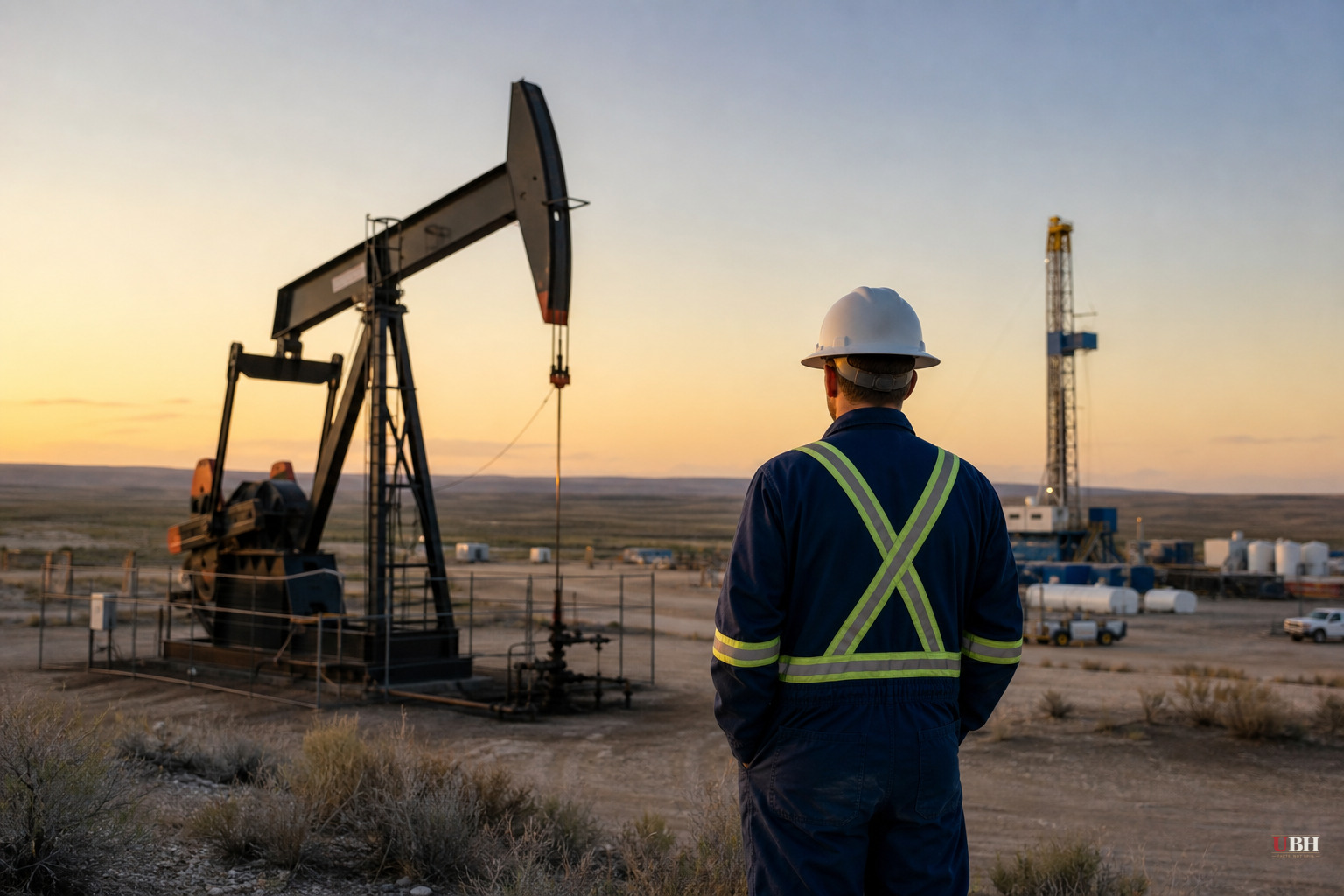
Chevron is cutting up to 9,000 jobs this year, roughly a fifth of its global workforce, according to OilPrice.com. ExxonMobil trimmed 2,000. BP shed more than 5 percent of its staff plus 3,000 contractors. ConocoPhillips is cutting 20 to 25 percent of its people. Imperial Oil is cutting a fifth of its workforce and closing its Calgary office entirely.
None of this is happening because oil demand collapsed or wells ran dry. US oil and gas extraction employment fell to 114,500 workers in June 2026, according to Bureau of Labor Statistics data reported by OilPrice.com, the second-lowest June on record, beaten only by the pandemic bottom of 2021. Production is near record highs. The jobs are disappearing anyway.
A decade of the same story
This isn't new. Extraction employment peaked at 187,300 in January 2016, right before the oil price crash, according to OilPrice.com. A decade later, the workforce sits nearly 40 percent below that peak, even as wells in the Permian Basin and Eagle Ford keep breaking output records.
EnergyNow, citing Bloomberg reporting from Julia Fanzeres and Will Kubzansky, put a similar number on the broader upstream picture: roughly 250,000 jobs lost since employment peaked in 2014, even as production surged 50 percent over the same stretch. Their framing is blunt. Those jobs aren't coming back. The old link between higher oil prices and more hiring broke after years of weak investor returns following the shale bust of the mid-2010s.
The month-to-month numbers this year tell a smaller version of the same story. Extraction employment ran 115,500 in January, ticked up to 116,200 in February, then slid every month after, landing at 114,500 by June, according to OilPrice.com. Revisions matter here too. May's initial read of 115,600 was walked back to 115,300 a month later, a reminder that any single month is a rough directional signal, not a hard number.
Automation and mergers, not politics
It would be tempting to blame this on renewable energy eating into oil's market share, or on a hostile regulatory environment. The numbers don't support either case. OilPrice.com points to automation, mergers, and a decade of shareholders who wanted returns, not growth.
The productivity numbers reflect that. Output per hour rose 11.4 percent in 2023 while labor input barely moved, and total factor productivity swung from a 14.7 percent decline in 2021 to a 30.2 percent gain two years later, according to OilPrice.com's analysis of the data. Horizontal drilling, automated rigs, remote monitoring, and data analytics mean companies can drill faster and complete more wells with fewer people. Inspenet described the sector as entering a "stabilization phase" where operational efficiency and automation increasingly outweigh workforce growth.
Chevron's cuts, the largest in company history, are aimed at squeezing $2 billion to $3 billion in savings out of folding the $53 billion Hess acquisition into its existing operations, according to OilPrice.com. That's consolidation math, not a response to falling demand.
Extraction jobs are the smaller piece
Oilfield services, the drilling contractors, completions crews, and pressure pumpers, employ roughly 627,000 people, more than five times the extraction headcount, and that segment has been losing jobs even faster, according to OilPrice.com. The ripple effects extend further still. Every upstream job is estimated to support roughly 232,000 supply-chain jobs and 421,000 more through indirect spending, more than 850,000 positions tied to an industry that keeps finding ways to need fewer people directly.
Texas is the exception, and even that's mixed
Texas tells a more complicated story. The Texas Independent Producers and Royalty Owners Association (TIPRO), citing BLS Current Employment Statistics, reported that Texas upstream employment actually rose by 400 jobs between May and June 2026. But that gain masks a split. Extraction employment in Texas fell by 900 jobs to 61,900, while oilfield services jobs rose by 1,300 to 135,800.
TIPRO also tracked 10,978 unique industry job postings in Texas in June, more than any other state, with Houston, Midland, Odessa, and Dallas leading the metro rankings. The median advertised salary across those postings was $54,100. Nationally, TIPRO counted 68,473 unique oil and gas job postings in June, up 5 percent from May.
That divergence, extraction jobs falling while services postings hold up in the state producing the most oil, matches what Inspenet described: a sector where "productivity and the incorporation of new technologies are redefining the demand for specialized talent" rather than shrinking the industry outright. Whether that "stabilization" framing holds past the next round of merger integrations, including Chevron's ongoing Hess consolidation, will become clearer when the July jobs report arrives.
Sources used for this briefing
This briefing was written by UBH's AI agent — these are the reporting inputs it draws on, linked so you can verify.


