
Unbiased headlines. Facts, not spin.
Every story is an unbiased news briefing written from 110+ sources across the spectrum — sources linked so you can verify it yourself.
 energy
Notable (5/10)
July 19, 2026 at 05:21 AM
energy
Notable (5/10)
July 19, 2026 at 05:21 AM
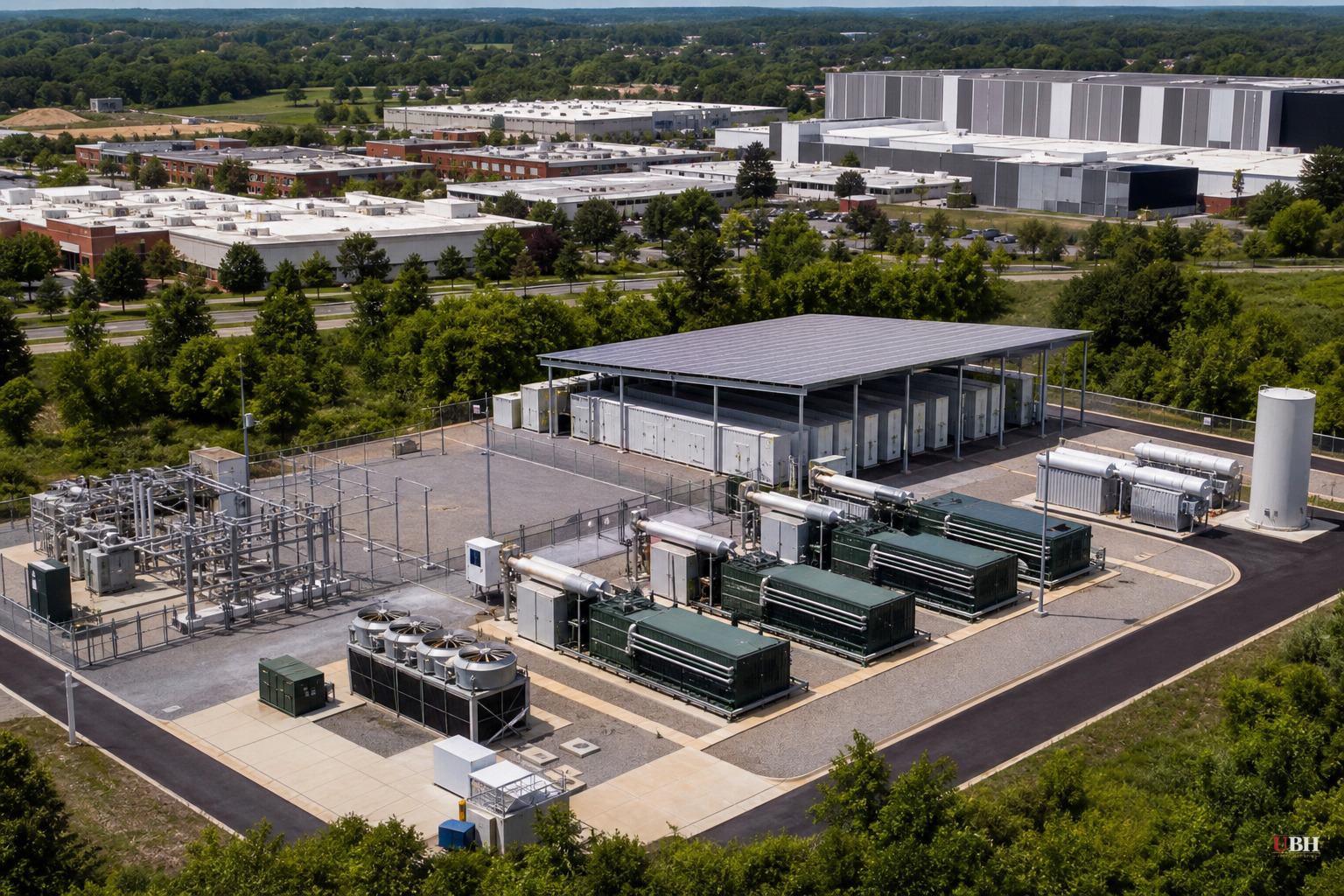
Microgrids Are Spreading From Military Bases to AI Data Centers, and the Grid Is the Reason Why
The System That Kept the Lights On
When Hurricane Maria wrecked Puerto Rico's power grid in 2017, one building in the mountain town of Adjuntas stayed lit. Casa Pueblo, a local environmental nonprofit, had already installed solar panels and battery storage at its headquarters, according to OilPrice.com. While the rest of the island waited nearly a year for the lights to come back, Casa Pueblo kept running. That system became the seed for one of the country's most closely watched community microgrids.
Nine years later, the technology has moved well past disaster relief. Microgrids are now showing up on military bases, hospital campuses, and next to the AI data centers straining power grids from Virginia to Ireland, OilPrice.com reported.
What a Microgrid Actually Is
A microgrid is a self-contained power system that generates, stores, and manages its own electricity for a defined area. That could be a single building, a military installation, or an entire neighborhood, according to OilPrice.com.
It can stay connected to the main utility grid, pulling power when needed and selling excess back when it doesn't. Or it can disconnect entirely and run independently, a process the industry calls islanding.
The U.S. Department of Energy breaks microgrids into four categories, per OilPrice.com's reporting: campus/institutional systems serving a single owner's facilities (universities, military bases, airports); community systems serving multiple customers inside a utility's territory (neighborhoods, downtown districts); remote/off-grid systems for areas with no utility connection at all (islands, rural villages, mining sites); and resilience microgrids built for critical infrastructure that can't afford downtime (hospitals, water treatment plants, emergency services).
Every one of them needs three things to function: a way to make power, a way to store it, and a controller smart enough to manage both. Generation typically comes from solar panels, wind, combined heat and power systems, diesel or gas generators, or fuel cells. Storage is usually lithium-ion batteries or flow batteries. The controller, often software from companies like Schneider Electric, Siemens, or GE Vernova, balances the load and decides when to island from the grid. A physical connection point called the point of common coupling, using switchgear and breakers, links the microgrid to the wider utility system.
Why This Is Happening Now
Three forces are driving microgrids from a niche backup option into mainstream infrastructure: extreme weather, rising electricity costs, and a national grid that's aging faster than utilities are replacing it, according to OilPrice.com.
The military has been an early and heavy adopter. At Marine Corps Air Station Miramar in San Diego, Schneider Electric and Black & Veatch built a microgrid combining diesel and natural gas generation, landfill gas, and solar power. It can island more than 100 mission-critical buildings for weeks at a time, OilPrice.com reported. The National Renewable Energy Laboratory later helped the base integrate additional capacity into that system.
That kind of resilience is exactly what the Pentagon wants. A base that can run independently of the civilian grid for weeks isn't vulnerable to a cyberattack on a regional utility or a storm that knocks out transmission lines two states away. That's a straightforward national security argument, not an environmental one, and it's why microgrids have bipartisan backing in defense appropriations regardless of who's arguing about climate policy elsewhere.
The AI Data Center Problem
The newer driver is artificial intelligence. Data centers built to train and run AI models draw enormous, constant loads, and they're multiplying faster than utilities can add generation or transmission capacity. That's straining grids in Virginia's "Data Center Alley," and reportedly in Ireland as well, per OilPrice.com.
Rather than wait years for utility-scale upgrades and permitting, some data center operators are building their own generation and storage on-site. That's a microgrid by another name: local generation, local control, and the ability to keep running if the regional grid buckles under demand.
This is where the economics get blunt. Utilities operate under decades-old regulatory models built for slow, predictable load growth. AI data centers don't grow slowly. When a single facility needs hundreds of megawatts on a timeline utilities can't match, the choice becomes build your own power or don't build the data center. Companies are choosing to build their own power.
What's Missing From the Coverage
Neither of the two source reports examined here dug into who pays when a data center's private microgrid still needs backup capacity from the public grid during outages, or how state utility regulators are handling requests from these facilities to bypass normal interconnection queues. That's a live regulatory fight in several states, and it's the next place this story goes from equipment specs to a political fight over who bears the cost of grid upgrades AI companies' demand is forcing.
For now, the trend line is clear enough on its own. Microgrids went from a hurricane survival story in Adjuntas, Puerto Rico, to standard equipment at Marine Corps bases, and now to a tool corporations are using to route around a grid that can't keep up with them. The next fight is over who regulates that workaround, and how.
Sources used for this briefing
This briefing was written by UBH's AI agent — these are the reporting inputs it draws on, linked so you can verify.


