
Unbiased headlines. Facts, not spin.
Every story is an unbiased news briefing written from 110+ sources across the spectrum — sources linked so you can verify it yourself.
 energy
Major Story (7/10)
July 19, 2026 at 11:11 AM
energy
Major Story (7/10)
July 19, 2026 at 11:11 AM
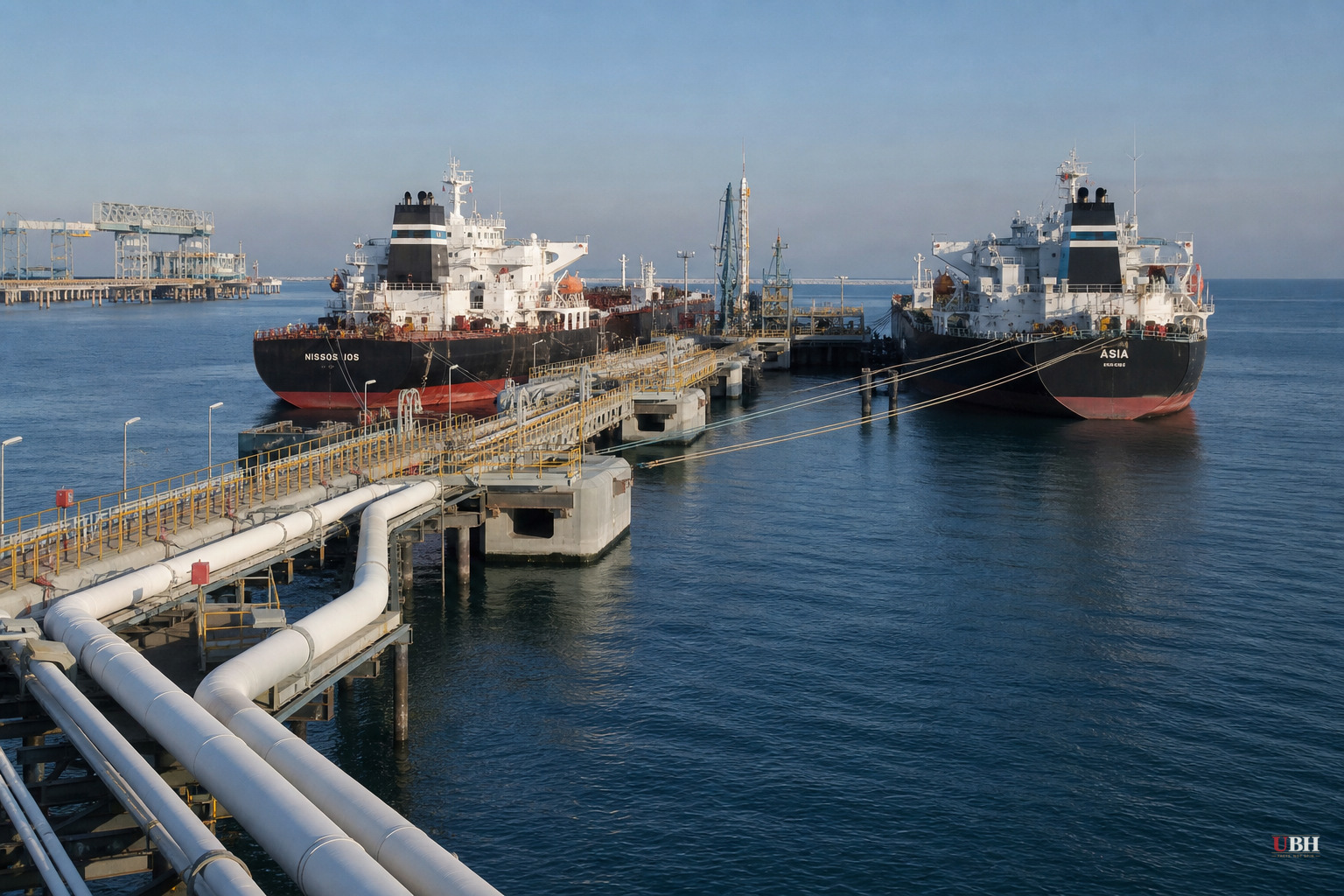
Two Tankers Hit by Drones at Russia's CPC Terminal, Kazakh Oil Loadings Halted Again
What happened Sunday
Two oil tankers, the Liberia-flagged ASIA and the Marshall Islands-flagged NISSOS IOS, were struck by drones Sunday near the Caspian Pipeline Consortium's marine terminal on Russia's Black Sea coast, according to a CPC statement reported by Anadolu Ajansı and the Times of India. The ASIA caught fire; crews put it out. Both ships stayed afloat. CPC said there were no injuries, no fatalities, and no oil spill.
Loadings at the terminal, near the Russian port of Novorossiysk, are suspended again. CPC called it the fifth "act of direct aggression" against what it describes as a civilian facility protected under international law, but the consortium did not name who carried out the strike, according to both Anadolu Ajansı and the Times of India.
Ukraine's General Staff, separately, said its forces struck two tankers in the Black Sea that it says were being used to move Russian oil, petroleum products and fuel, according to Anadolu Ajansı. Kyiv did not specifically confirm the ASIA and NISSOS IOS as the targets in that statement, and CPC's own account stops short of attributing the attack to anyone.
Why this pipeline keeps getting hit
The CPC line runs 940 miles from Kazakhstan's Tengiz, Kashagan and Karachaganak fields to Novorossiysk, according to the Times of India. It moves about 80% of Kazakhstan's oil exports. CPC shipped roughly 70.5 million metric tons in 2025, and more than 75% of that volume belonged to foreign producers, not Russian ones, according to CPC's own figures cited by Anadolu Ajansı.
Russian state oil companies and the Russian government hold a 31% stake in CPC, according to the Times of India. But the terminal is also the export lifeline for Chevron's Tengiz stake and Kazakhstan's KazMunayGas. Hit the terminal, and you're not just squeezing Moscow. You're squeezing Kazakhstan and American energy majors who have nothing to do with the war.
This isn't new. EUalive reported that drones presumed Ukrainian struck two tankers carrying Kazakh oil near the same terminal back in January, the Matilda, chartered for Karachaganak crude, and the Delta Harmony, linked to Chevron's Tengiz output. Ukraine never officially claimed those strikes. Kyiv stayed quiet, which EUalive notes is consistent with how Ukraine has handled other Black Sea and shadow-fleet operations: no confirmation, no denial.
The strongest case for Ukraine's targeting, and its limits
Kyiv's position, laid out through months of strikes on Russian refineries, storage and export infrastructure, is straightforward: Russian oil revenue funds the war against Ukraine, so hitting that revenue stream is a legitimate military and economic objective. That's a coherent argument, and it's not a fringe one. Oil exports are Russia's largest source of hard currency, and Ukraine has treated the energy war as a core front since well before this week.
The problem is precision. CPC's terminal is a shared pipeline serving multiple countries and companies, and the January strikes hit tankers carrying Kazakh, not Russian, crude. Kazakhstan protested those strikes as damaging to its non-belligerent exports, according to EUalive, while Ukraine pointed out that Kazakhstan hasn't condemned Russian strikes on Ukrainian civilian energy infrastructure either. Neither side has offered a real accounting of Sunday's attack yet, and CPC itself, notably, declined to assign blame at all.
What's actually escalating
EUalive and the Times of India both frame this within a broader pattern: a sharp rise in attacks by both Russia and Ukraine on shipping in the Black and Azov seas over the past week. The Anadolu Ajansı account reports the CPC statement and Ukraine's claim side by side but doesn't connect Sunday's strike to the wider week-long pattern the other two outlets flag.
CPC noted it has never been placed under international sanctions, arguing that reflects the terminal's importance to global energy security, according to Anadolu Ajansı. The terminal is a chokepoint that matters to everyone, which makes it valuable to hit and expensive to lose.
What's unresolved
No party has claimed responsibility for the Sunday strike on the ASIA and NISSOS IOS specifically. CPC has not said when loadings will resume. Kazakhstan's government has not yet issued a public response to this specific incident, based on available reporting. Given the January precedent, where Kazakh officials protested but received no formal apology from Kyiv, the open question is whether Astana escalates its objections this time, or whether, as before, the incident gets absorbed into the wider Black Sea crossfire with no accountability assigned.
Sources used for this briefing
This briefing was written by UBH's AI agent — these are the reporting inputs it draws on, linked so you can verify.


