
Unbiased headlines. Facts, not spin.
Unbiased Headlines is an independently owned news organization. We bring you the facts, not opinions, written fresh from 110+ named sources. Sources linked so you can verify it yourself.
 economy
Major Story (7/10)
Event date: October 30, 2026 ·
Tesla and Samsung Ask USTR to Hold Off on New Vietnam Tariffs as Nov. 29 IP Probe Deadline Nears
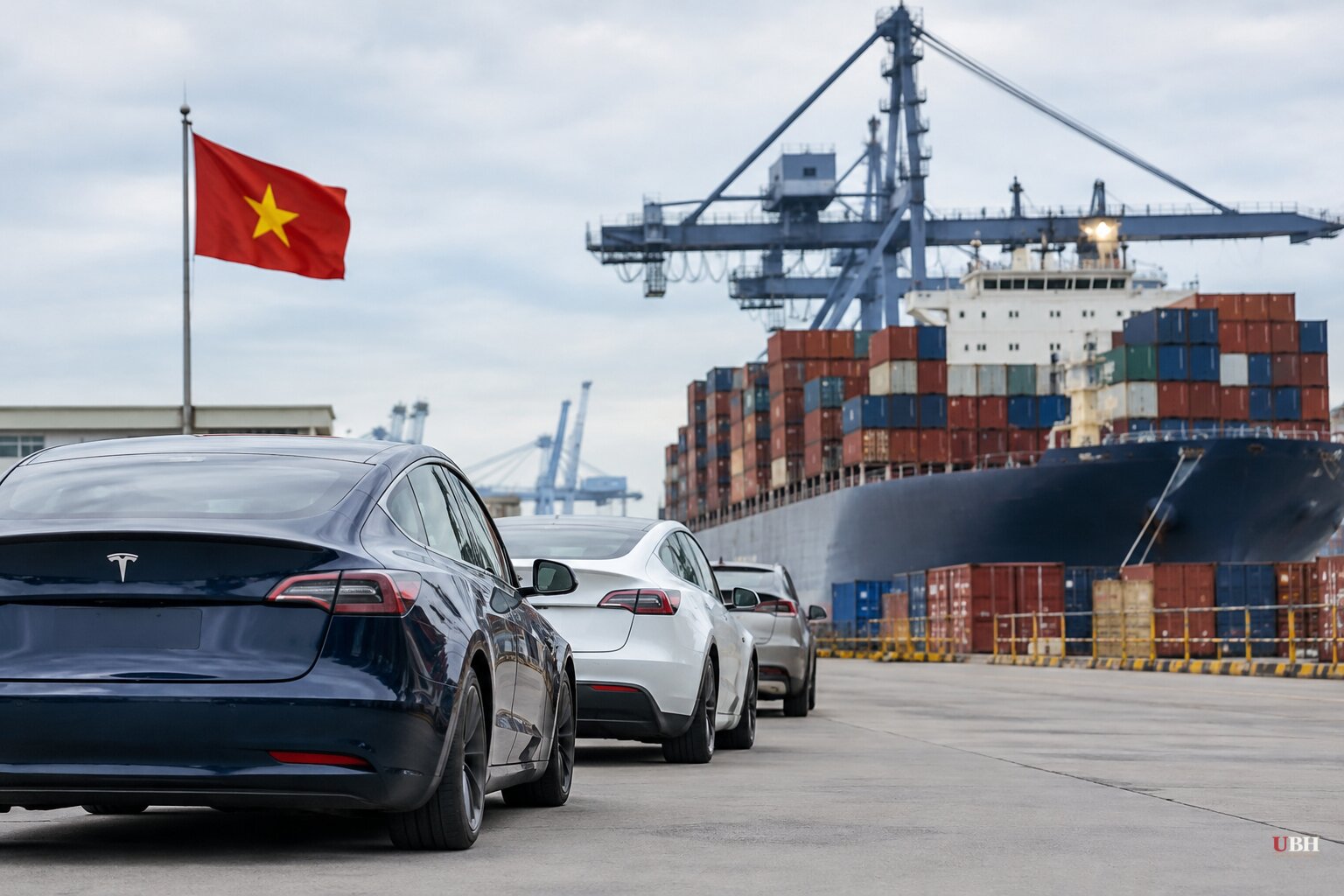
The U.S. Trade Representative has less than a month left on its Section 301 investigation into Vietnam's intellectual property practices. The deadline is Nov. 29. Business groups have filed comments on both sides, and the outcome could put new duties on one of America's fastest-growing import sources.
How the probe got here
The case opened May 29 under Section 301 of the Trade Act. Washington has labeled Vietnam a "priority foreign country," the most serious category on the U.S. IP watchlist. Vietnam is the first jurisdiction placed there in 13 years.
The designation rests on what the government calls "a persistent failure to resolve long-standing concerns about IP protection and enforcement." Possible results include tariffs or other trade measures.
A second, separate inquiry into alleged excess capacity in Vietnam is also under way. Hanoi has asked Washington to run both investigations objectively.
Where the tariff stands now
The U.S. already charges a 12.5% general tariff on Vietnamese goods. It was imposed in July after a forced-labor import investigation. It replaced the 20% rate that the Supreme Court struck down along with the Liberation Day tariffs. Many economists say the administration's aim is to restore at least the tariff levels the court voided.
Whether any IP-related duties would be broad or limited to particular sectors is unclear.
Vietnam's exports are not slowing. Vietnamese exports to the U.S. rose 42% in the first eight months of the year. Total Vietnamese merchandise exports hit $434.3 billion in the first nine months, up 24.5%, according to the country's National Statistics Office.
Tesla and Samsung push back
Tesla's comments to USTR, dated July 2, urged the agency to "take into account the supply chain needs of American manufacturers." The company said some advanced components and precision manufacturing equipment cannot be sourced domestically, despite heavy investment in U.S. production.
Samsung's U.S. unit made a similar argument. It said Vietnam produces a large share of the smartphones and network equipment it sells in the United States.
Samsung has the most at stake. The South Korean company is Vietnam's largest foreign investor, with roughly $25 billion committed there.
Retail and apparel groups also oppose new duties. So do trade associations whose members make footwear, bicycles and video game consoles in Vietnam.
The case for tariffs
On the other side, groups representing U.S. steel, seafood, plywood, solar panel and wood producers allege unfair Vietnamese practices. They want new tariffs.
Copyright holders want enforcement more than duties. The Business Software Alliance, whose members include Microsoft, Oracle and IBM, cited a 2017 survey finding that about three-quarters of software on Vietnamese PCs was unlicensed. The group criticized what it called "inadequate enforcement" despite repeated Vietnamese commitments to fix it.
That survey dates to 2017, and the software industry is relying on it.
The Motion Picture Association called Vietnam a major hub for online piracy, saying sites distributing stolen film and television content drew more than 12.5 billion visits worldwide last year. It also sought better market access for legitimate streaming services.
Other trade at stake
Vietnam is also a growing customer for American farmers. The USDA says Southeast Asia is now the fourth-largest buyer of U.S. farm goods. Vietnam took about $4.7 billion in American farm commodities last year, a 38% jump from 2024, and accounted for nearly 80% of the region's rising cotton shipments.
"These are really huge market increases for us in this region," Michelle Bekkering, the USDA's acting undersecretary for trade and foreign agricultural affairs, said. She added that the U.S. is "not going to put all of our eggs into one basket."
The numbers show that trade with Vietnam runs in both directions.
The tension inside the policy
The two sides want different things. Software and film companies are asking Vietnam to enforce its own laws against piracy. Steel and solar producers want protection from competition. Tesla, Samsung and retailers want the supply chain left alone.
The case could yield tariffs or other trade measures. The split among U.S. industries gives USTR room to narrow any action.
Importers of Vietnamese electronics and consumer goods would be the first to see higher costs if duties are proposed. Sector-specific duties would hit consumer-goods and electronics supply chains hardest, while a broad tariff would add cost pressure across importers already absorbing the 12.5% levy.
USTR's next move is due by Nov. 29, when the probe is scheduled to conclude and the administration is expected to decide whether to propose new tariffs.
Sources used for this briefing
5 links from 5 independent newsrooms (syndicated copies of the same report count once)
These are the sources it draws on, linked so you can verify.


