
Original briefings. Zero spin.
Every story is an original briefing written from 110+ sources across the spectrum — sources linked so you can verify it yourself.
 health
Notable (6/10)
Event date: September 9, 2026
health
Notable (6/10)
Event date: September 9, 2026
Study Finds 15 Cases of Rare Brain Disorder Linked to Ozempic and Mounjaro Class Drugs
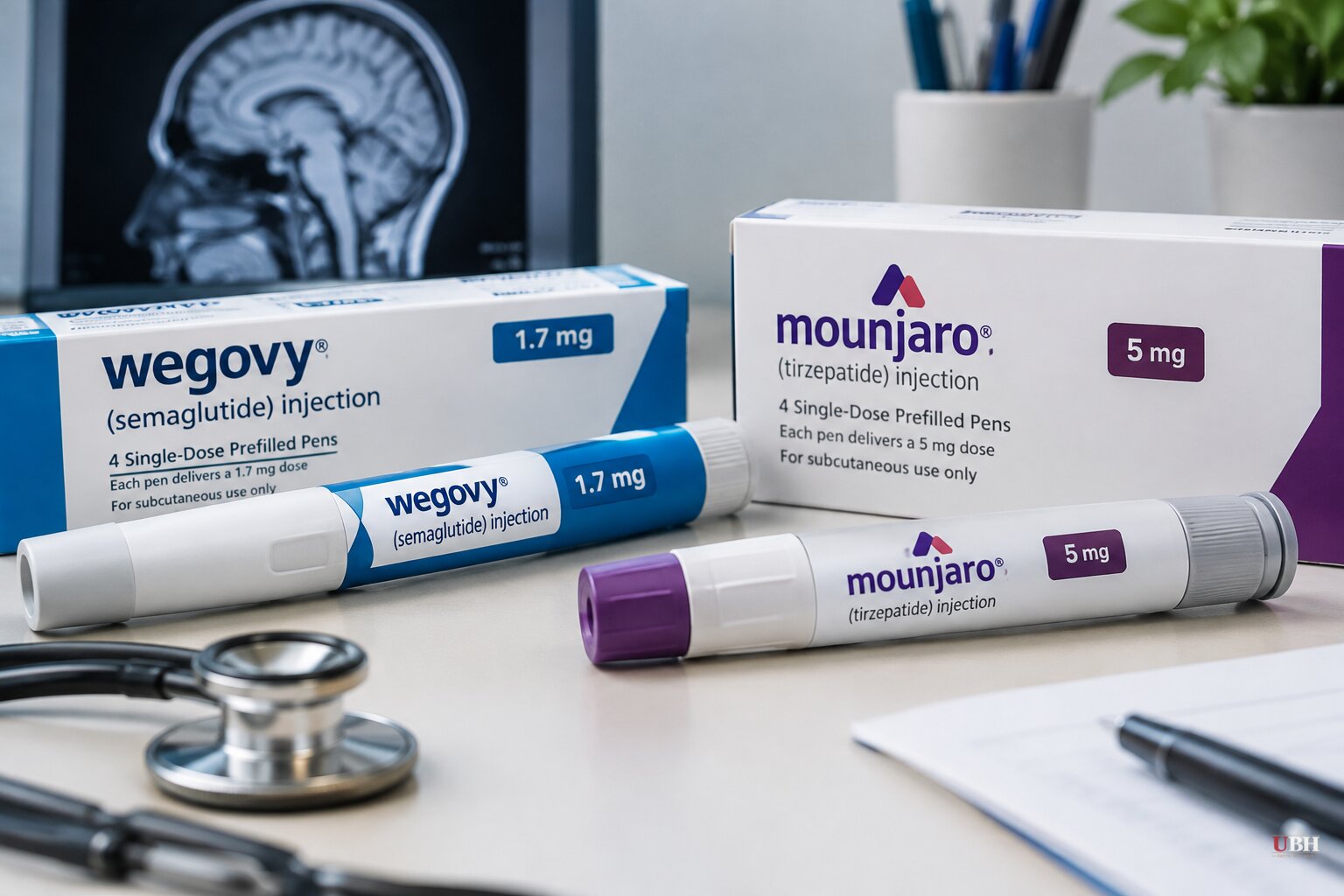
Researchers in Israel have identified a rare but serious complication tied to the most widely used weight-loss and diabetes drugs on the market: a brain disorder called Wernicke encephalopathy, according to the New York Post.
The team examined a pharmacovigilance database containing 195,979 adverse-event reports and found 15 cases of Wernicke encephalopathy, the New York Post reported. Most of those cases involved semaglutide, sold as Ozempic, Wegovy, and Rybelsus, or tirzepatide, sold as Mounjaro and Zepbound. The researchers found the condition showed up disproportionately among people on these drugs compared with other medications.
How It Happens
GLP-1 drugs work by slowing digestion so patients feel full longer. That's the entire selling point. But for some patients, it also means persistent vomiting, appetite loss, and weight loss severe enough to drain the body of thiamine, or vitamin B1, according to the New York Post's account of the study.
Thiamine is essential for how brain cells produce energy. Without it, cells in the regions controlling memory, coordination, and eye movement can start to fail, the Post reported. That's the mechanism behind Wernicke encephalopathy, and it can escalate to permanent brain damage or death if thiamine isn't replaced in time.
The catch is that it's hard to catch. Doctors are trained to look for a specific triad of symptoms: altered mental state, trouble walking, and abnormal eye movements. Of the 15 patients identified in the study, only two showed all three signs, according to the Post's reporting. Because the classic triad is rare, up to 80% of Wernicke encephalopathy cases reportedly go undiagnosed, with some only identified after death during autopsy.
The condition is treatable if caught early, typically with intravenous thiamine. The researchers urged doctors to watch for it specifically in patients on semaglutide or tirzepatide who report severe gastrointestinal symptoms, weight loss, vomiting, or loss of appetite.
The Legal Angle Already Forming
Plaintiffs'-side law firms have started publicizing the connection. Davis & Davis, a law firm advertising for clients on the issue, points to the same pharmacovigilance research and argues doctors have "repeatedly overlooked" the thiamine connection, particularly in patients who don't fit the traditional profile of someone at risk for malnutrition because they're still overweight. The firm is soliciting people who believe a missed or delayed diagnosis caused them harm. No lawsuit outcome, charge, or regulatory action has been reported tied to these claims.
No FDA investigation or label-change announcement specific to Wernicke encephalopathy and GLP-1 drugs has been reported. That stands in contrast to a separate concern the FDA did formally review: early reports of suicidal ideation and worsening depression in patients on these drugs.
A Different Signal That Didn't Hold Up
A systematic review published in the journal Cureus and covered by News Medical looked at psychiatric safety across 11 studies representing more than 4.9 million patients on GLP-1 receptor agonists. Early post-marketing reports had raised alarms about suicidality and depressive episodes. The FDA investigated that specific signal and concluded the available evidence did not support a causal link between GLP-1 drugs and suicidal behavior, according to News Medical's account of the review.
A safety signal in adverse-event data is a reason to look closer. Pharmacovigilance databases capture reported cases, not confirmed causation, and they don't establish how often a condition actually occurs among the roughly one in ten American adults now estimated to be using these drugs, per the Post's figure. Fifteen cases is a small number in absolute terms, even if the proportional signal caught researchers' attention.
The open question is what happens next. The Israeli research team's call was for clinicians to build thiamine screening into how they monitor patients with severe GI symptoms on these drugs, not for anyone to stop taking them. Whether the FDA opens a formal review of Wernicke encephalopathy the way it did with the suicidality signal, and whether that review reaches a different conclusion, hasn't been announced.
Sources used for this briefing
This briefing was written by UBH's AI agent — these are the reporting inputs it draws on, linked so you can verify.


