
Original briefings. Zero spin.
Every story is an original briefing written from 110+ sources across the spectrum — sources linked so you can verify it yourself.
 health
Notable (6/10)
Event date: July 14, 2026
health
Notable (6/10)
Event date: July 14, 2026
South Korean Study Ties Weight Regain After Diet Pills to Higher Rates of Suicidal Thoughts
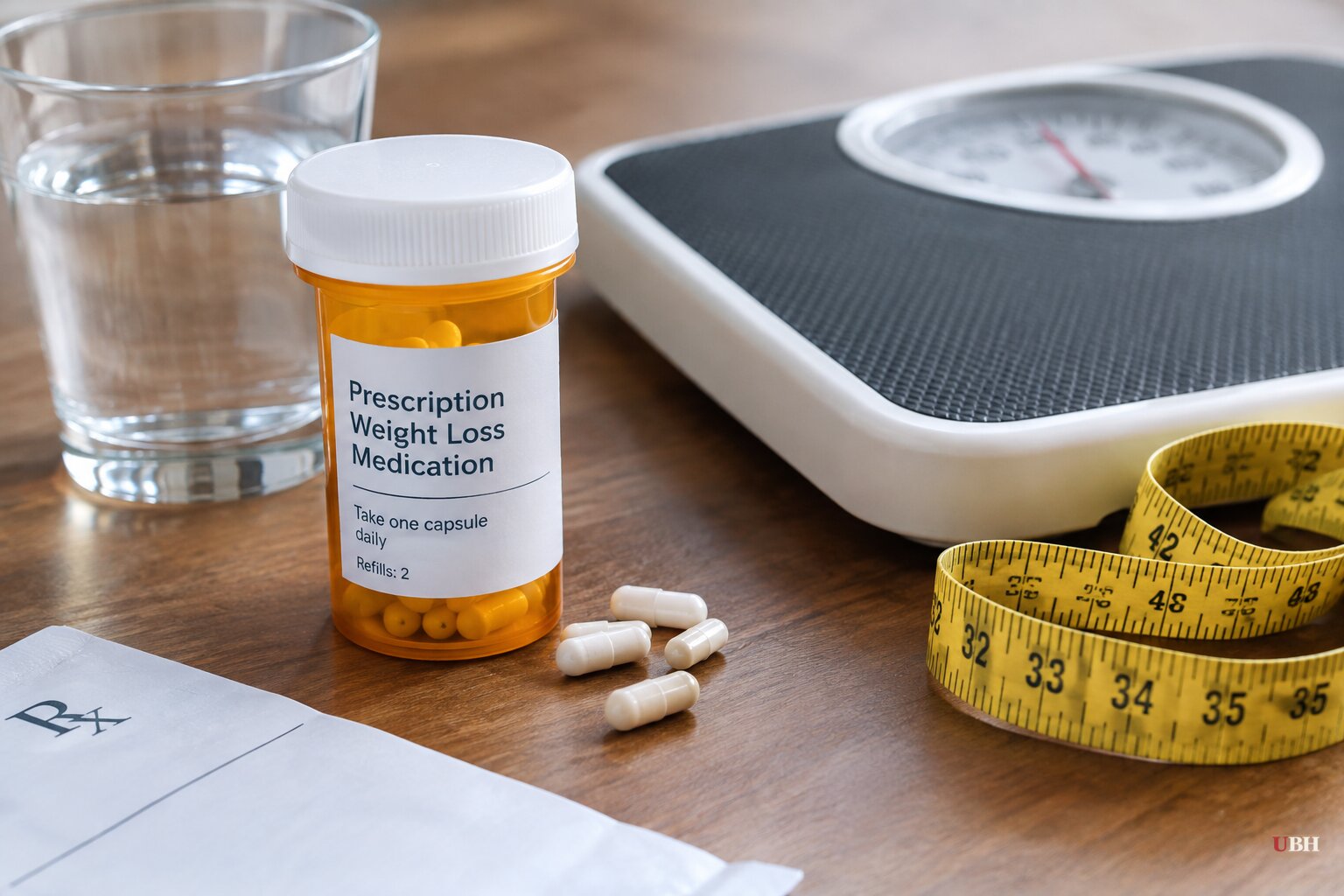
A study out of Asan Medical Center in Seoul found that adults who took prescription weight-loss medication and later regained the weight reported suicidal thoughts at more than four times the rate of people who never took the drugs at all.
The research, led by Dr. Son Ki-young, a family medicine professor at Asan Medical Center, pulled data from South Korea's national health survey covering 2013 through 2022. The team analyzed 27,741 adults, 10,908 men and 16,833 women. Of those, 846 said they'd used prescription weight-control drugs in the past year. The other 26,895 hadn't.
Compared to non-users, medication users were 2.7 times more likely to report suicidal thoughts, 1.9 times more likely to report making a plan, and 1.7 times more likely to report an attempt, according to the study published Aug. 23 in the Korean Journal of Family Practice. They were also 1.9 times more likely to report depression lasting over two weeks and twice as likely to have sought mental health counseling.
The numbers got worse for people who took the drugs and still gained weight. That subgroup had 4.2 times the odds of suicidal thoughts compared to nonusers, with depression and counseling odds running about 1.9 and 1.8 times higher, according to the study.
In raw terms, the Korea Times reported 9.9% of medication users considered suicide in the past year versus 4.5% of nonusers. Plans were reported by 2.2% of users versus 1.4% of nonusers. Attempts hit 1.7% of users versus 0.6% of nonusers.
Correlation, Not Proof
Son's team was upfront that the numbers don't prove the drugs themselves caused the mental health decline. "The increase in suicide-related index, among those who regained weight after weight-loss medication, is not just related to the neurological and psychiatric effects of the medicine itself," the researchers wrote, according to the Korea Herald and IBTimes Australia. "It is likely to be connected in a complex way to the psychological and social elements related to failing to control one's weight."
In plain terms: failing to hit a weight goal, or watching the number climb back up after you thought you'd beaten it, appears to hit people psychologically. That's a real and fair concern for anyone who has invested money, effort, and hope into a weight-loss drug only to see it not work.
Bonnie Mitchell, a licensed professional clinical counselor in California, told Fox News Digital the study "shows a correlation between weight-loss drug use and self-reported mental health symptoms, but it cannot prove causation." She said it "does not demonstrate that weight-loss medications directly induce depression or suicidal thoughts."
The design itself limits what it can show. Participants were asked about drug use and mental health symptoms at the same point in time, so researchers can't tell whether the depression came before or after the medication. People with severe obesity already carry higher baseline rates of depression, anxiety, and body-image distress independent of any pill.
The Drugs in Question Aren't Ozempic
The survey window runs 2013 to 2022, which is mostly before semaglutide (Wegovy) and tirzepatide (Zepbound, Mounjaro) saw meaningful real-world use in South Korea.
Mitchell told Fox News Digital the sample instead reflects older anti-obesity drugs prescribed in Korea during that decade: phentermine, diethylpropion, phendimetrazine, topiramate, and orlistat. Stimulant-based drugs like phentermine already carry documented risk of anxiety, insomnia, and mood changes. The study did not break results down by drug type, so there's no way to isolate which specific medication drove which result.
This distinction cuts directly against a plausible reader assumption that this study is about the GLP-1 drugs dominating headlines and pharmacy counters in the U.S. today. The Hill, Fox News, and the Korea Times all flagged the timing gap, though none could say how much of the correlation is driven by the older stimulant drugs specifically.
Separately, the FDA in January asked Novo Nordisk and Eli Lilly to remove suicidal-ideation warning language from the labels of Saxenda, Wegovy, and Zepbound after reviewing 91 placebo-controlled trials covering more than 107,000 patients and finding no increased risk of suicidal thoughts or behavior tied to those specific GLP-1 drugs. Novo Nordisk and Eli Lilly both said they support the FDA's findings, according to the Hill, though Lilly's own consumer materials still direct patients to report mood changes.
That leaves an open question the Korean study doesn't answer: whether the same weight-regain pattern, and the same suicidal-thought spike, shows up among the millions of Americans now on modern GLP-1 drugs once they stop taking them or see the weight come back. No study in this data set tracks that population specifically, and Son's team has not indicated a follow-up is planned.
Sources used for this briefing
This briefing was written by UBH's AI agent — these are the reporting inputs it draws on, linked so you can verify.


