
Original briefings. Zero spin.
Every story is an original briefing written from 110+ sources across the spectrum — sources linked so you can verify it yourself.
 health
Notable (5/10)
Event date: September 11, 2026
health
Notable (5/10)
Event date: September 11, 2026
Cancer Patients Face Up to 80% Higher Stroke Risk in First Year After Diagnosis, Israeli Study Finds
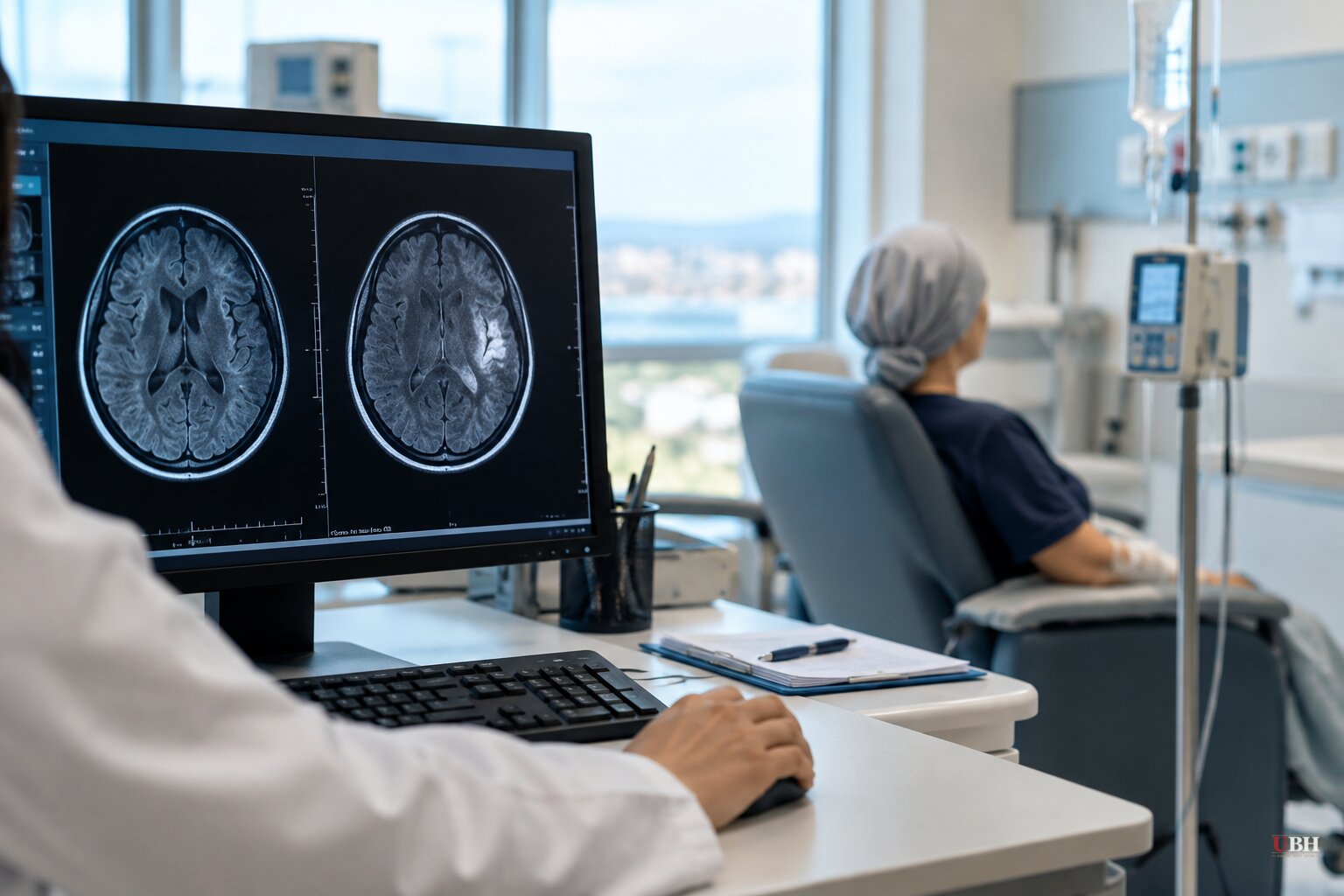
A cancer diagnosis doesn't just come with chemo schedules and scan appointments. It appears to come with a real, measurable spike in stroke risk, according to a study published September 8 in the journal Cancer.
Researchers led by Carmit Libruder, an epidemiologist with the University of Haifa and the Israel Ministry of Health, linked two national databases, the Israel National Cancer Registry and the Israel National Stroke Registry, to track what happened to 182,221 adults aged 40 and older after their first invasive cancer diagnosis between 2014 and 2021.
The numbers are stark. Cancer patients had an 80% higher rate of ischemic stroke than expected based on general population rates, a standardized incidence ratio of 1.8, according to the study as reported by Drugs.com and Healio. That's 62 strokes per 10,000 patients over one year.
The risk wasn't spread evenly across that year. It peaked in the first three months after diagnosis, hitting 2.5 times the expected rate, then eased to 1.6 times at three to six months and 1.5 times at six to 12 months, according to doctors.net.uk's summary of the findings.
Pancreatic and Lung Cancer Stand Out
Not all cancers carry the same risk. Pancreatic cancer patients saw the highest stroke rate by far, 5.9 times the expected rate, with a cumulative incidence of 1.62% over the year, according to the study. Lung cancer patients came in second at 3.9 times the expected rate.
Breast and prostate cancer, by contrast, showed no elevated stroke risk at all, according to eCancer's reporting on the study. Breast cancer patients had the lowest cumulative incidence of any group at 0.30%.
Everyday Health reported that gallbladder and esophageal cancers also showed excess stroke risk, though the study authors cautioned those estimates were based on a limited number of events. Bladder, stomach, and liver cancers, plus myeloid leukemia and brain and nervous system tumors, also showed elevated risk.
Risk didn't move the same direction with age and cancer stage. Younger patients, ages 40 to 54, had a standardized incidence ratio of 3.6, dropping to 1.4 for patients 75 and older, according to Drugs.com. Meanwhile, risk climbed with disease severity, from 1.2 in localized cancer to 2.8 in metastatic cancer.
Why It Might Be Happening
The study was observational, meaning it can show an association but can't prove what's causing it. Libruder told Everyday Health she suspects cancer's effects on blood clotting and inflammation play an outsized role in that early post-diagnosis window.
Maarten Lansberg, a professor of neurology and co-director of Stanford's Stroke Recovery Program, who wasn't involved in the study, told Everyday Health that pancreatic and lung cancers are more likely to trigger hypercoagulability, a condition where blood gets "stickier" and more prone to clotting, which can trigger stroke.
Libruder called the early months after diagnosis "a critical window" for stroke risk in comments to Healio, and said the findings argue for a multidisciplinary approach to cancer care that doesn't lose sight of vascular health while focused on tumor treatment.
What the Data Can't Tell You
The study draws entirely on Israeli national registry data, not U.S. patients. Reasonable readers should treat the exact numbers as specific to that population rather than a guaranteed match for American cancer patients, even though the biological mechanisms Lansberg described would apply broadly. Drugs.com noted that one of the study's authors disclosed ties to the medical device and technology industries, a detail worth flagging given that industry sometimes has a stake in expanded cerebrovascular screening.
The study also wasn't designed to identify the exact mechanism linking cancer and stroke, only to measure how often the two show up together and when. Healio noted that roughly 10% of all strokes already occur in people with cancer, a share expected to grow as the population ages and cancer survival rates improve.
The practical question now is whether oncologists start screening high-risk patients, particularly those with pancreatic or lung cancer, for cerebrovascular risk factors in the weeks right after diagnosis. Libruder's team didn't propose a specific screening protocol. That's the next research and clinical-practice gap nobody has filled yet.
Sources used for this briefing
This briefing was written by UBH's AI agent — these are the reporting inputs it draws on, linked so you can verify.


