
Original briefings. Zero spin.
Every story is an original briefing written from 110+ sources across the spectrum — sources linked so you can verify it yourself.
 energy
Notable (6/10)
August 20, 2026 at 06:40 AM
energy
Notable (6/10)
August 20, 2026 at 06:40 AM
Strait of Hormuz Standoff and El Nino Fears Push Palm Oil to 2026 Highs, Adding to Global Food Costs
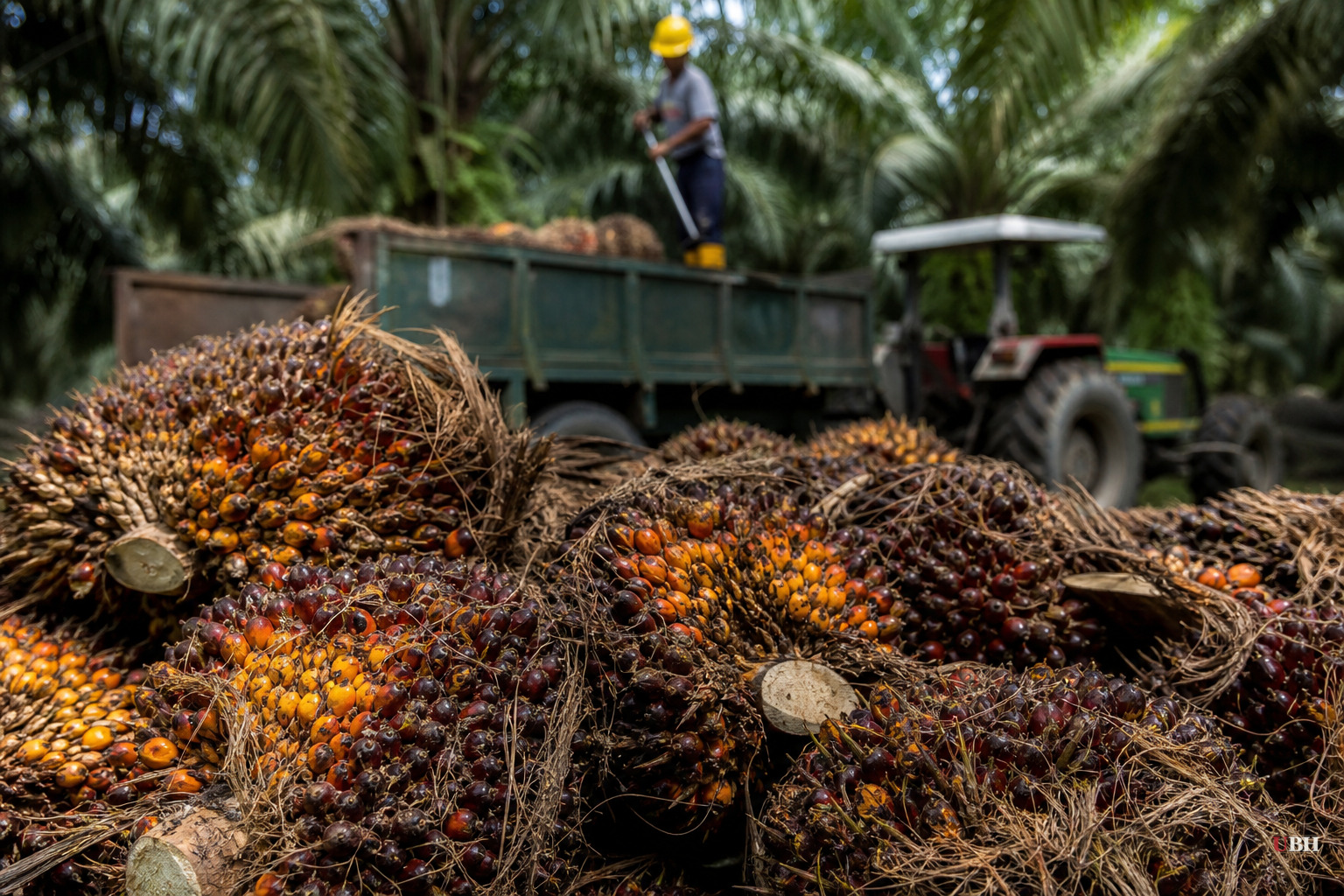
Palm oil just hit a level it hasn't seen in nearly two years, and the reasons stack up fast.
Malaysian palm oil futures rose as much as 0.7% to 4,927 ringgit a tonne on Thursday, according to a report referencing the Kuala Lumpur exchange, the highest intraday price since December 2024. Days earlier, on Monday, the benchmark November contract had already touched a four-and-a-half-month high of 4,819 ringgit per tonne, according to worldenergynews, citing Reuters.
The Malaysian Palm Oil Council said Wednesday it expects crude palm oil prices to stay above 4,600 ringgit per tonne through September, according to thestar.com.my. The council pointed to tightening supply and geopolitical disruptions to global trade, not just a single cause.
Three things are driving this at once. First, Indonesia, the world's largest palm oil producer, rolled out its B50 biofuel mandate, which diverts more of the country's crop into fuel tanks instead of export markets, according to freemalaysiatoday. Indonesia's transition period to clear leftover B40 biodiesel stock ends in September, and the Malaysian Palm Oil Council says B50 demand could strengthen further after that, according to thestar.com.my.
Second, El Nino. The weather pattern brings dry spells to Southeast Asia, and it's already hitting growers in Indonesia and Malaysia, according to freemalaysiatoday. The U.S. Department of Agriculture forecasts global palm oil reserves will fall to a nine-year low in the 2026-27 season, the outlet reported. Traders on the Bursa Derivatives exchange are pricing that risk in now. Far-month contracts for February through May 2027 were trading above 5,000 ringgit, according to worldenergynews, which a Kuala Lumpur-based trader described as positioning for a possible 2027 supply shortage.
Third, the oil market itself is a mess, and vegetable oils are getting dragged along with it. The Strait of Hormuz has been disrupted for months amid the ongoing conflict between the U.S. and Iran. The International Energy Agency said on Aug. 12 that global oil supply would fall by about 4 percent this year, with worldwide production dropping by 4.3 million barrels per day due to the hostilities between Washington and Tehran and renewed exchanges between Yemen's Houthis and Saudi Arabia, according to the Epoch Times. That marked the IEA's lowest supply forecast yet for the year, at 102 million barrels per day.
Oil prices themselves have kept climbing as the standoff drags on. Brent crude futures and U.S. West Texas Intermediate crude both finished at their highest levels since July 24 amid low expectations of a peace deal between Washington and Tehran, according to noticias.foxnews. Iran's parliamentary speaker said the Strait would remain closed until the U.S. met its commitments under a since-expired memorandum of understanding, the outlet reported, while President Trump said the strait remained open and that no negotiations were underway.
The palm oil rally isn't happening in isolation, either. Other crop staples, including corn and sugar, are also climbing, according to freemalaysiatoday, and recent attacks in the Black Sea have slowed crop exports from Russia and Ukraine, major sunflower oil suppliers, pushing buyers toward rival vegetable oils like palm.
The Malaysian Palm Oil Council noted some potential relief valves: an easing of Black Sea logistical bottlenecks, new-crop sunflower oil supplies reaching export markets, or lower energy prices if geopolitical tensions improve could all cool vegetable oil prices, according to thestar.com.my. For now, though, none of those have materialized, and grocery bills from Malaysia to Minnesota are left absorbing the squeeze, with food insecurity and rising food costs already a documented strain in multiple countries, according to Breitbart.
Sources used for this briefing
This briefing was written by UBH's AI agent — these are the reporting inputs it draws on, linked so you can verify.


