
Unbiased headlines. Facts, not spin.
Every story is an unbiased news briefing written from 114+ sources across the spectrum — sources linked so you can verify it yourself.
 energy
Major Story (8/10)
Event date: August 17, 2026
energy
Major Story (8/10)
Event date: August 17, 2026
60-Day US-Iran Oil Truce Expires: Hormuz Still Not Really Open, Data Shows
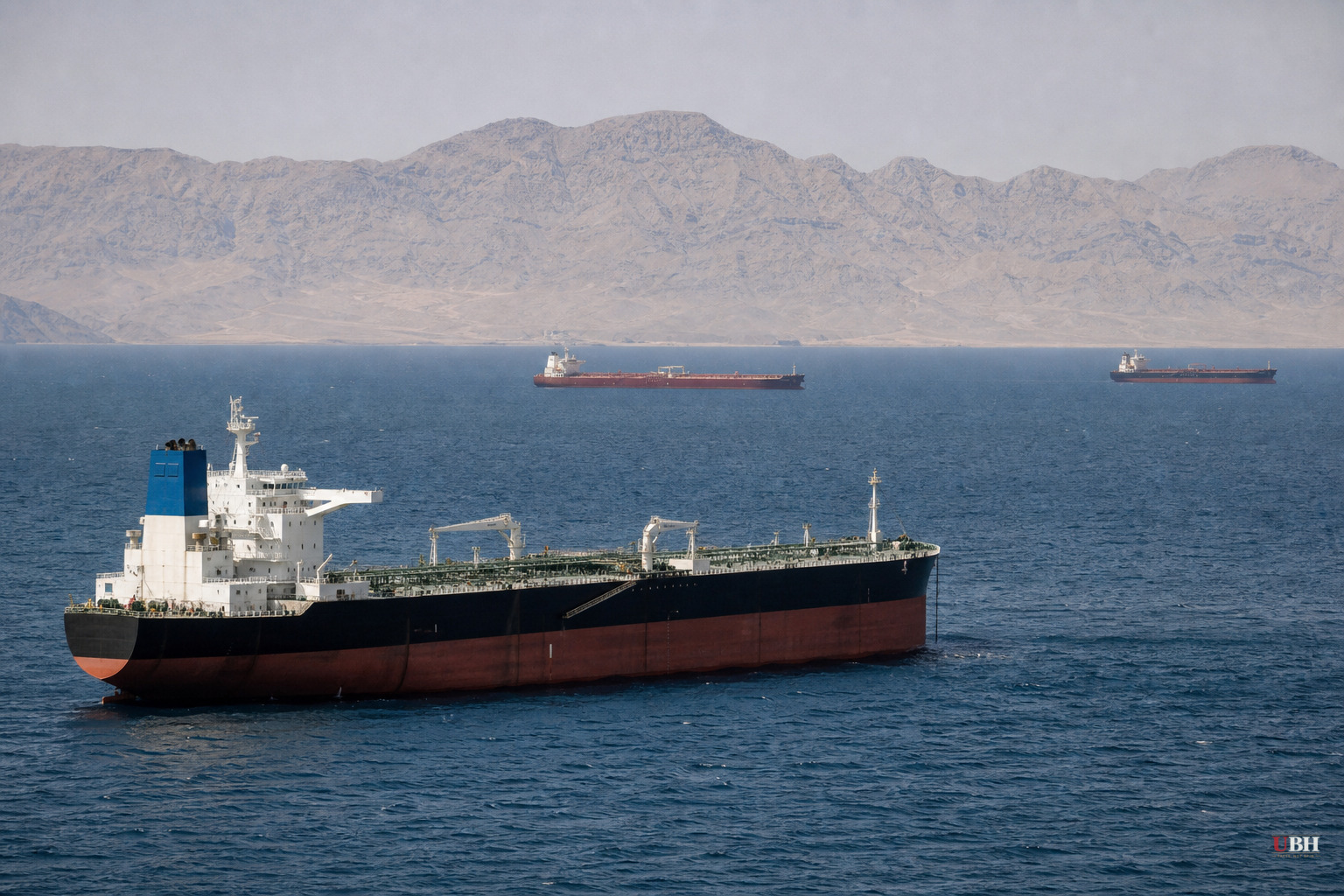
A 60-day truce between the US and Iran expired Monday, August 17, and the oil data tells you exactly what it was worth. Something, but not much.
According to ship-tracking firm Kpler, roughly 374 million barrels of crude left the Gulf during the window covered by the Islamabad Memorandum of Understanding, averaging 6.1 million barrels per day. That's nearly triple the 2.3 million bpd that squeezed through during the blockade months from April to mid-June, Kpler found.
That 6.1 million bpd figure is still only about 40% of the roughly 15 million bpd that normally transited the Strait of Hormuz in 2025, per Kpler's numbers.
The trend inside the window was bad. Emmanuel Belostrino, Kpler's head of Global Crude and Geopolitical Market Data, said more than half the total shipments happened in just the first three weeks. By the end, in his words, "the flow was thinner, darker and re-accumulating behind the chokepoint."
Kpler's own August 19 breakdown shows the deterioration clearly. In week three of the MoU, 95% of barrels leaving the Gulf could be traced to the terminal that loaded them. By the final week, 66% could not be traced at all. That reflects a market quietly reverting to shadow-fleet behavior while the ink on the truce was still drying.
Every Commitment in the Deal Failed Early
Kpler's ledger on the MoU is damning on the mechanics. The US oil waiver lasted 20 of the 60 days. The blockade lift lasted 27. Iran's mine-clearance obligation was never completed at all.
Iran's own exports collapsed inside the truce it signed onto: crude loadings fell from 893,000 barrels per day in July to just 156,000 bpd through August 17, according to Kpler. Floating storage dropped from 61 million barrels at signing to 16 million within three weeks, but total crude sitting on water inside the Gulf system ended the window near 130 million barrels, higher than before the war even started.
Kpler estimates the shortfall against normal Hormuz flows over the 60 days at roughly 550 million barrels, a gap it says gets bridged by inventory draws that start thinning in September.
Nobody's Talking, and Trump Is Threatening Oman
Iranian Foreign Minister Abbas Araghchi dismissed the whole premise of an extension days before the deadline, saying Tehran "never had a ceasefire that would now need to be extended," according to Kpler's reporting. Iran's parliamentary speaker, Mohammad Bagher Ghalibaf, said Hormuz would stay closed until the US met its MoU commitments, Fox News reported.
President Trump said Tuesday that no negotiations were underway with Iran and insisted the strait remained open, according to Fox News. That's a direct contradiction of Iran's position, and neither side has offered evidence settling it.
Trump reportedly told reporters last week, "Pretty soon I'll be declaring the Hormuz Strait a territory of the United States," according to The National, cited by Tech Times. Iran's deputy foreign minister shot back that the waterway "was Iran's, is Iran's, and will remain Iran's."
Newsquawk's market analysis flagged something odd: Trump has also threatened to bomb Oman, a US ally that has served as the primary back-channel between Washington and Tehran throughout this conflict. Newsquawk's take is that threatening the intermediary tends to complicate rather than accelerate any deal, extending uncertainty rather than resolving it.
Shipping Keeps Getting Hit
Five commercial ships were attacked in the strait over the past week, according to the UKMTO Operations Centre, cited by Al Jazeera. One crew member died aboard the Liberia-flagged bulk carrier Minoan Dignity, struck by an unknown projectile off Oman, according to the International Association of Dry Cargo Shipowners.
ICERCARGO's statement captures the human cost: "Behind every vessel caught up in conflict are seafarers, civilians carrying out their professional duties, far from their homes and families, who keep global trade moving."
Markets Are Split on How Worried to Be
Oil prices have been climbing. Brent crude rose to $91.28 a barrel and WTI to $85.31 in early Wednesday trading, according to Reuters, cited by Fox News, both benchmarks finishing Tuesday at their highest levels since July 24. Newsquawk's analysis argues the risk premium historically fades fast when actual tanker data, insurance rates, and terminal loadings stay stable, and that rhetoric alone shouldn't be conflated with real supply loss.
Tech Times reported the Nasdaq Composite sat near 26,851 entering the week, within range of its August highs, with JPMorgan holding its S&P 500 target at 8,000. That resilience is real, but Tech Times also noted every variable in the energy-to-inflation-to-rate chain that has driven AI valuations remains unresolved with no new diplomatic deadline on the calendar.
Iraq, meanwhile, isn't waiting around. Baghdad approved a temporary mechanism starting September 1 to export crude through multiple companies and outlets outside the traditional southern Gulf terminals, Reuters reported via Fox News, a hedge against continued disruption to the main shipping route.
What's Actually Unresolved
The Pentagon insists it has the firepower to handle any threat. Under Secretary of War for Acquisition and Sustainment Michael Duffey told Fox News's "Special Report" that "the U.S. military can defeat any threat at the time and place of our choosing," while acknowledging the administration wants to rebuild depleted munitions stockpiles faster, blaming the prior administration for underinvesting in the defense industrial base.
Whether that confidence matches the reality on the water is an open question the tanker data doesn't answer either way. The data does show this: the Strait of Hormuz did not reopen under this truce, exports never got close to normal, and as of today, August 20, there is no active negotiation and no new deadline on anyone's calendar.
Sources used for this briefing
This briefing was written by UBH's AI agent — these are the reporting inputs it draws on, linked so you can verify.


