
Original briefings. Zero spin.
Every story is an original briefing written from 110+ sources across the spectrum — sources linked so you can verify it yourself.
 energy
Notable (6/10)
August 20, 2026 at 07:25 AM
energy
Notable (6/10)
August 20, 2026 at 07:25 AM
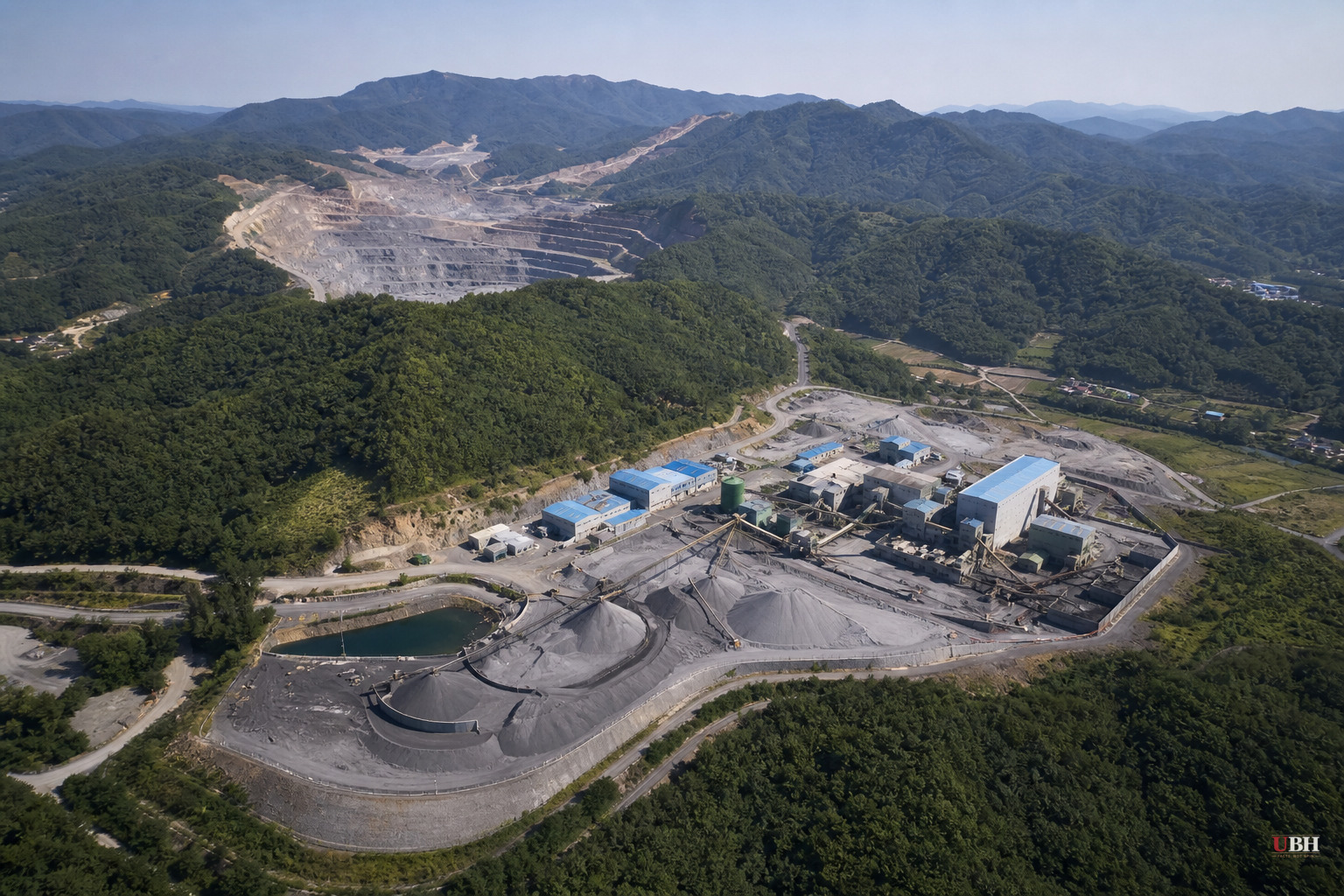
Sangdong Mine Starts Producing Tungsten as Pentagon Can't Buy Its Own Stockpile
Tungsten prices have climbed past $3,125 a ton as of Wednesday, according to ZeroHedge, citing data circulated by Almonty Industries. That's the backdrop for a supply chain story that's been building since Beijing tightened tungsten export controls in February 2025, citing national security concerns.
The metal isn't exotic. It's in armor-piercing rounds, drill bits, aerospace parts, and semiconductor equipment. China controls roughly 80% of global tungsten mine production and half the world's reserves, according to a Seeking Alpha analysis. When Beijing squeezes exports, the West feels it immediately.
The clearest sign of how tight things got: the U.S. Defense Logistics Agency, which manages the national tungsten stockpile, sent out a market inquiry earlier this year just asking what tungsten would cost, according to Almonty CEO Lewis Black's newsletter. That's it. No order, just a price check.
The market reacted like the government was about to buy up the entire supply. Industry players who actually turn tungsten into military hardware raised alarms that a large state purchase would send prices even higher and lock up scarce material, according to both ZeroHedge and Black's own account. The DLA's request went nowhere.
Black's explanation: government agencies buying into a market they're supposed to stabilize are barred from moving prices with taxpayer money. So the one buyer that most needs tungsten for national security can't legally purchase it at scale without breaking its own rules. And the moment the DLA signals it's short on tungsten, it's telling adversaries exactly where the weak point is, Black wrote. It's a structural problem. Decades of cheap, outsourced supply chains left the U.S. with a stockpile system that can be paralyzed by its own procurement rules the moment scarcity actually hits.
Japan is worse off
While the DLA has options it's simply constrained from using, Japan doesn't have the same luxury. Shipments of Chinese ammonium paratungstate, the intermediate powder used to make tungsten products, have reportedly stopped entirely since the start of 2026, according to ZeroHedge. Japanese hard-metal and tool manufacturers are scrambling, leaning harder on scrap imports.
That's collided with a new U.S. Commerce Department rule requiring domestic suppliers to allocate all of their tungsten scrap to American buyers first, not overseas ones. Good for U.S. manufacturers. Bad for allies like Japan who are now competing for an even smaller pool.
Almonty's mine comes online
Almonty Industries' Sangdong mine in South Korea has started producing and shipping tungsten concentrate, according to stockstotrade, which reported the stock trading up 8% on August 17 as the news spread. The stock has moved from roughly $11 to $12 at the end of July to the mid-teens by mid-August, closing near $16.31 on August 17.
Almonty reported about $42.99 million in quarterly revenue and $16.13 million in operating income, according to stockstotrade, with roughly $1.23 billion in cash and short-term investments against about $756 million in long-term debt. Seeking Alpha's Laurentian Research argues the company is aiming for more than 20% of ex-China tungsten demand as Phase II and III expansions come online, and projects substantial multi-year upside, though that's a bullish analyst's forecast on a stock he holds a position in through a related mining ticker, not a guaranteed outcome.
The fair skeptical read: this is one junior-to-mid-tier miner in South Korea, not a solved supply chain. Ramp-up risk is real. New plants have equipment hiccups, grade control issues, and output rarely matches early projections cleanly. AP News, reporting more broadly on U.S. companies stepping up to cut reliance on Chinese critical minerals, frames this as a slow, multi-company effort across several metals, not a single mine flipping a switch on scarcity.
What's unresolved
The DLA's stockpile problem hasn't gone away. Its inquiry got shelved, not solved, according to Black's own account. Whether Congress or the Pentagon changes procurement rules to let the agency buy critical minerals without spooking the market is an open question, and no legislative fix has been reported. Meanwhile Japan's APT shortage continues, and no timeline exists for Chinese shipments resuming. The Sangdong ramp-up is a data point in the decoupling story, not the end of it.
Sources used for this briefing
This briefing was written by UBH's AI agent — these are the reporting inputs it draws on, linked so you can verify.


