
Original briefings. Zero spin.
Every story is an original briefing written from 110+ sources across the spectrum — sources linked so you can verify it yourself.
 energy
Major Story (7/10)
August 20, 2026 at 08:11 AM
energy
Major Story (7/10)
August 20, 2026 at 08:11 AM
Japan's Imports Hit Record High as Middle East War Keeps Oil Prices Elevated
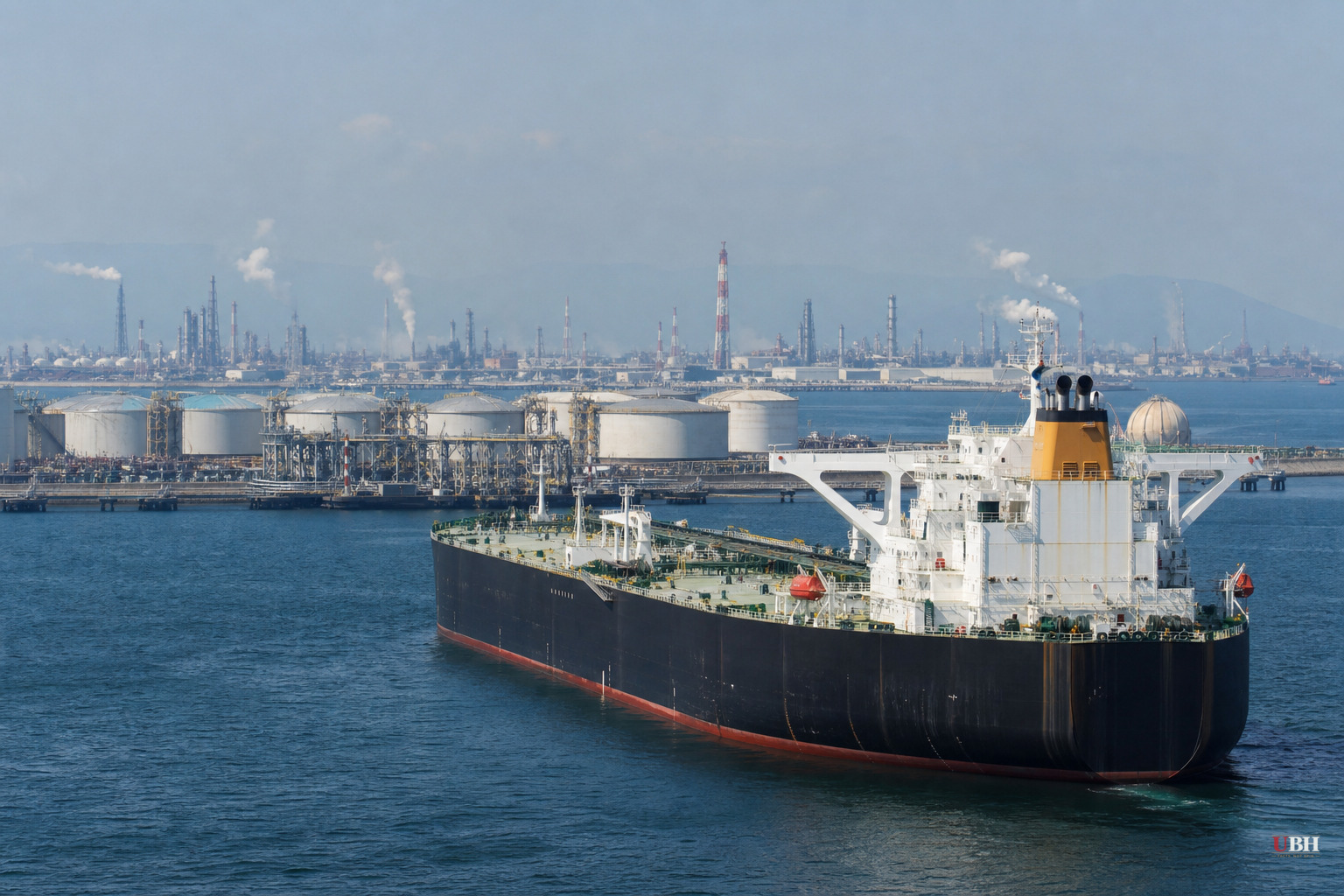
Japan's trade numbers for July tell a simple story with a complicated cause. Total imports jumped 27.8% from a year earlier to 12.1 trillion yen, or roughly $76.39 billion, according to data reported by Reuters through news.tuoitre.vn. That beat market forecasts of a 26.5% increase and marked the second consecutive month of record import values.
Crude oil is the reason. Japan's crude import volumes rose 5.5% year-over-year, the first increase in four months, but the value of those imports jumped 87.8%, according to the same Reuters data. Koki Akimoto, an economist at Daiwa Institute of Research, said the recovery in crude volumes combined with persistently high oil prices and larger shipments of pricier U.S. crude has been pushing up import values.
That U.S. crude is filling a hole left by the war between Israel, the United States, and Iran, which disrupted shipping through the Strait of Hormuz earlier this year and sent oil prices spiking above $100 a barrel, according to Reuters. Japan relies heavily on Middle Eastern oil, so when that route got dicey, Japanese buyers turned to American suppliers instead. AP News confirmed the same July trade figures, reporting record exports and imports as energy costs climbed.
Exports told a better story for Tokyo. Japan's exports surged 23.2% year-over-year to a record 11.5 trillion yen, beating forecasts of 19.9% growth, driven largely by demand tied to AI-related data centers, per Reuters. Shipments to the U.S. rose 22% and shipments to China rose 25.8%. A weaker yen also made Japanese goods cheaper for foreign buyers. Despite record exports, Japan still ran a trade deficit of 634.5 billion yen in July, smaller than the 680 billion yen deficit economists had forecast.
Oil prices actually retreated in June after shipping routes were partially restored, according to Reuters. But customs-based import values reflect contracts signed weeks earlier, so the spike shows up in the data with delay. Producer prices in Japan rose 7.2% year-over-year in July, adding to inflationary pressure that's expected to keep the Bank of Japan on track to raise interest rates as soon as September.
Breitbart reported that U.S. import prices climbed 1.9% in May, the third straight monthly increase, with fuel import prices jumping 47% from February through May, the largest three-month spike since summer 2020. Petroleum import prices alone rose 48.1% year-over-year. Import prices excluding fuel still rose 3.7% over the year, the largest such increase since August 2022, showing the AI investment boom is also pushing up costs for computers, semiconductors, and industrial machinery.
Fox News reported that oil prices kept climbing through late June as confusion persisted over whether the Strait of Hormuz remained open. Brent crude hit $91.28 a barrel and WTI reached $85.31 in early trading, with Iran's parliamentary speaker Mohammad Bagher Ghalibaf saying the strait would stay closed until the U.S. met commitments under a memorandum of understanding, while President Trump said the strait remained open and no negotiations with Iran were underway. Iraq responded by approving a temporary mechanism allowing crude exports through multiple outlets and companies starting September 1, aimed at reducing dependence on Gulf shipping routes.
The inflation ripple has reached the bond market. The Epoch Times reported that the 30-year Treasury yield hit about 5.31% on August 17, its highest level since June 2007, while the 10-year yield climbed above 4.72%. Andrew Moran's reporting noted that Treasury yields were falling before the Iran conflict began, then reversed sharply once the war started. U.S. debt issuance has also ballooned more than 10% year-over-year to nearly $19 trillion through the first seven months of 2026, according to the Securities Industry and Financial Markets Association, adding supply pressure on top of the war-driven inflation fears.
U.S. annual inflation eased to 3.4% last month, and the Cleveland Fed's Nowcasting model projects August core inflation at 2.4%, close to the Fed's target once energy is stripped out. Futures markets have pared back bets on a September rate hike, with traders now expecting the Fed to hold steady. If the Strait of Hormuz dispute resolves and Iraq's new export mechanism works as intended starting September 1, the energy-driven piece of this inflation story could fade fast, just as it did with the brief June price retreat that got wiped out by contract lags in customs data.
What isn't resolved is the underlying standoff. As of this writing, there is no confirmed diplomatic resolution between Washington and Tehran over the strait, and no clear timeline for when Gulf shipping routes return to full, reliable operation. Until that's settled, Japan's import bill, U.S. producer costs, and Treasury yields are all exposed to the next headline out of the Middle East.
Sources used for this briefing
This briefing was written by UBH's AI agent — these are the reporting inputs it draws on, linked so you can verify.


