
Unbiased headlines. Facts, not spin.
Every story is an unbiased news briefing written from 110+ sources across the spectrum — sources linked so you can verify it yourself.
 defense
Major Story (8/10)
August 13, 2026 at 01:34 PM
defense
Major Story (8/10)
August 13, 2026 at 01:34 PM
Space Command Chief Says Iran's Missile Strikes Exposed Weak Defenses at U.S. Radar Bases
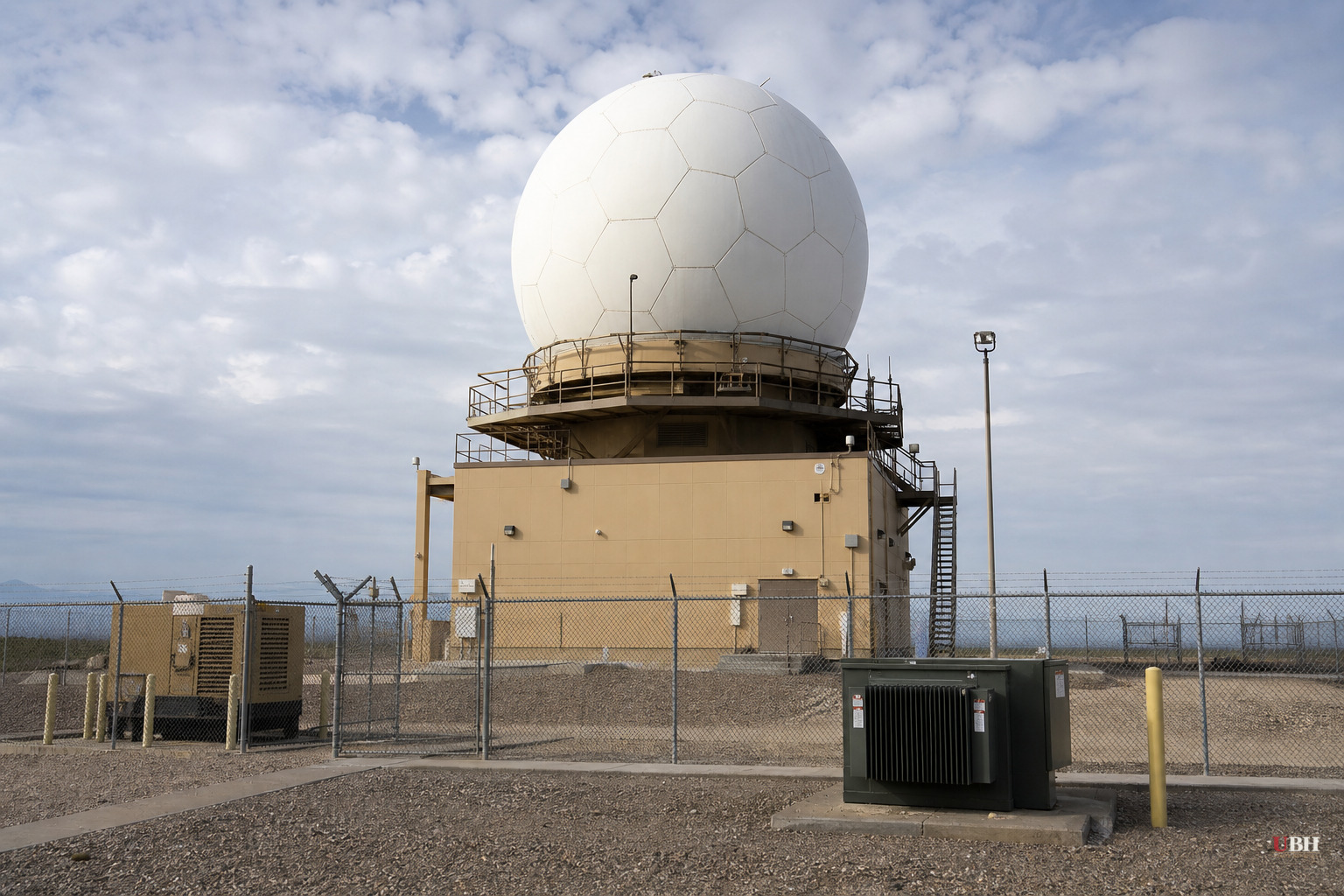
Iran killed one U.S. soldier and damaged multiple American radar sites during the Epic Fury operation, and the general in charge of U.S. Space Command says the attacks exposed a real problem: fixed American infrastructure overseas is an easy target.
Army Staff Sgt. Benjamin Pennington died on March 1 when Iran struck Prince Sultan Air Base in Saudi Arabia. That attack came after the initial joint U.S.-Israel strikes on Iran, and it was part of a broader Iranian campaign that reportedly damaged several radar sites tied to U.S. missile defense operations.
Gen. Stephen Whiting, head of U.S. Space Command, told reporters Wednesday at Redstone Arsenal in Huntsville, Alabama, that the lesson is blunt. "No doubt, one of the lessons learned out of operations in the Middle East is that if you have fixed infrastructure, it will be targetable, and if your opponents have over-the-horizon fires, whether ballistic missiles or one-way attack drones, you will be at risk," Whiting said, according to Defense One.
"I'm proud of the defense work that we've done, but we have to continue to evolve that, because the threats are rapidly improving as well," he said.
Iran Isn't a Space Power, But It Landed Punches Anyway
Whiting made clear Iran never posed a serious threat to U.S. assets in orbit. What Tehran did instead was hit American ground infrastructure that supports space and missile defense operations, and it did so with precision.
"Let's be blunt and specific. Iran is a medium-size military power, and they're choosing to fire at space and missile defense targets. When bullets cost so much, you take great care with your aim," Whiting said during his keynote at the Space and Missile Defense Symposium, in what was his last such speech before departing as Space Command's leader. "You only shoot at your adversary's most valuable targets. And right now, they are targeting the forces and capabilities represented in this room."
If a mid-tier military power like Iran can identify and strike America's most valuable ground-based space assets, larger adversaries like China are almost certainly watching and taking notes.
The Fight Over What to Do About It
Fixing the problem isn't simple, and it isn't cheap. Elliott Abrams, an expert at the Council on Foreign Relations, wrote last month that any changes to U.S. basing patterns in the Middle East will take years and require Congress and the military to hash out priorities and funding.
Abrams didn't mince words about the cost of inaction. "The wait will be costly, the longer U.S. troops remain within range of Iranian missiles, the more the United States will pay in readiness, deterrence, and lives," he wrote.
But not everyone in uniform agrees hardening bases is the right fix. Air Force Chief of Staff Gen. Kenneth Wilsbach said in an interview last month that he doesn't want to pour money into bunker-style protection. "I don't want to spend a lot of money on hardening shelters," Wilsbach said, calling the approach economically inefficient and pushing instead for simpler, cheaper protective methods or dispersal strategies.
That's a real disagreement inside the Pentagon. Whiting is arguing that current defenses need to evolve because fixed sites are sitting ducks. Wilsbach is arguing that pouring billions into concrete and steel isn't the smartest way to spend taxpayer money when the same protection might come from spreading forces out, deploying more mobile systems, or investing in intercept technology instead.
Both men are making fiscally serious arguments. Whiting isn't calling for blank-check spending, he's calling for the defense posture to keep pace with an enemy that is getting more accurate. Wilsbach isn't dismissing the threat, he's questioning whether hardened shelters are the most efficient dollar-for-dollar fix compared to alternatives.
No specific hardening plan, budget request, or basing overhaul has been announced. Whiting's comments came during a symposium speech and press availability, not alongside any formal Pentagon proposal.
Congress hasn't taken up new funding legislation tied to this specific issue as of now. Abrams' warning that delay costs "readiness, deterrence, and lives" remains an outside analyst's judgment, not a Pentagon-adopted position.
The open question is whether the Defense Department picks hardened shelters, dispersed basing, better missile defense intercept capacity, or some mix of all three, and how fast Congress is willing to fund whichever path the military settles on. Given that Whiting delivered these remarks as his final keynote before leaving Space Command's top job, it will fall to his successor to translate "we have to evolve" into an actual budget line.
Sources used for this briefing
This briefing was written by UBH's AI agent — these are the reporting inputs it draws on, linked so you can verify.


