
Unbiased headlines. Facts, not spin.
Unbiased Headlines is an independently owned news organization. We bring you the facts, not opinions, written fresh from 110+ named sources. Sources linked so you can verify it yourself.
 energy
Notable (6/10)
energy
Notable (6/10)
Solar Passed Wind in Global Electricity Generation in 2025, But Fossil Fuels Aren't Shrinking
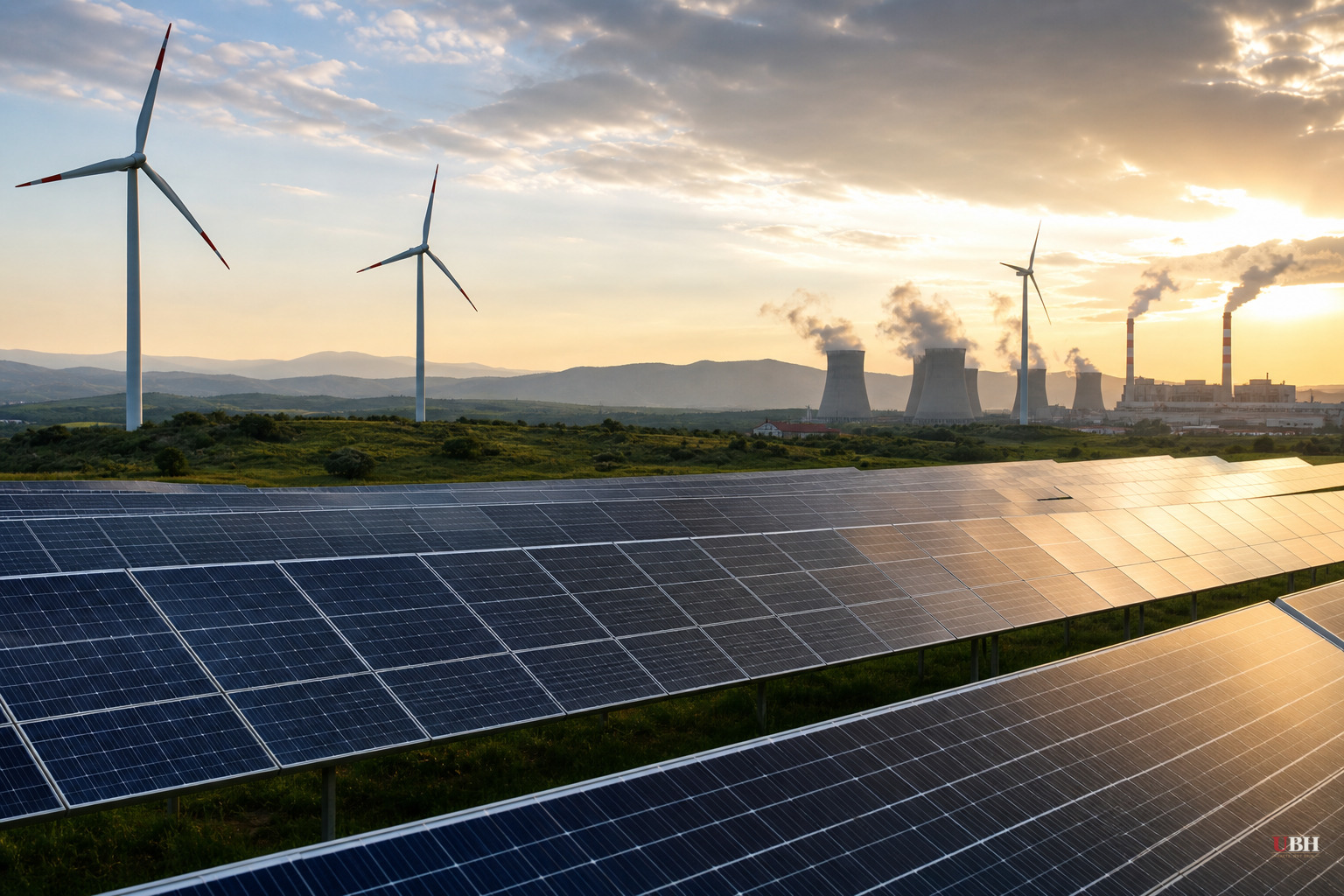
Solar power generated more electricity than wind globally in 2025 for the first time on record, according to data from the Statistical Review of World Energy analyzed by Forbes contributor Robert Rapier. Solar output hit 2,811 terawatt-hours (TWh) last year, edging past wind's 2,714 TWh.
Total global electricity generation reached about 32,202 TWh in 2025. Renewables of all kinds, hydro, wind, solar, geothermal, biomass, combined for roughly 10,749 TWh. That's 33.4% of the world's electricity. Two-thirds still comes from something else, mostly fossil fuels and nuclear.
Hydropower remains the single largest renewable source at 4,479 TWh, or 13.9% of the global total, according to the same data reported by OilPrice.com and oilandgas360.com. But hydro barely grew, up just 0.4% in 2025. Solar is where the growth is happening. It jumped 30.1% in a single year. Wind grew 8.2%. Solar alone accounted for nearly three-quarters of the total increase in renewable electricity generation last year.
The trend line is stark. In 2015, wind generated more than three times as much electricity as solar, 832 TWh versus 257 TWh. A decade later, solar has grown almost elevenfold while wind merely tripled. As of 2022, solar was producing 1,061 TWh. Three years later it's up to 2.6 times that.
China is the reason. The country generated about 1,173 TWh of solar electricity in 2025, close to 42% of the entire world's solar output, according to OilPrice.com. No other country is close.
The capacity numbers tell a similar story.
Global installed solar capacity crossed the 3-terawatt mark sometime in 2026, according to Bloomberg reporting carried by energyconnects.com. The pace is almost hard to process. It took the world from 2012 to roughly 2022 to install the first terawatt of solar. The second terawatt took under three years. The third came less than two years after that.
Lara Hayim, head of solar research at BloombergNEF, told Bloomberg the buildout is now visible everywhere, not just in spreadsheets. "Take a train anywhere, say in the UK, and you're likely to spot solar panels," she said. BloombergNEF projects the world will install more than 9 terawatts of solar by 2036.
That growth is starting to spread beyond China. The number of countries with at least 1 gigawatt of solar installed rose to 74 last year, up from 42 in 2020, according to balkangreenenergynews.com, which cited the same BloombergNEF analysis. Pakistan, Nigeria and the Philippines have all seen sharp increases in rooftop solar. Even smaller markets like Cuba and Lebanon have picked up the pace.
There's a real cost to China's speed, though. Its solar buildout has outpaced the transmission lines and battery storage needed to actually use all that power, according to Bloomberg's reporting. That's causing rising curtailment. Solar farms are getting throttled back during peak hours because the grid can't absorb what they're producing. It's wasted capacity sitting in the desert doing nothing. China's latest five-year plan reportedly includes measures aimed at boosting renewable consumption, not just production, by more than 50%. BloombergNEF expects Chinese deployment to slow as a result, with developing nations picking up a larger share of new solar installations going forward.
None of this means fossil fuels are going away.
Renewables are booming, but fossil fuel consumption isn't declining, because total global energy demand keeps climbing faster than clean energy can keep up. Solar and wind are adding capacity to a system that keeps getting bigger, not replacing the current one. For anyone reading these solar milestones as evidence the fossil fuel era is ending, the reality is different. Two-thirds of global electricity still comes from coal, gas, oil and nuclear combined, and global energy appetite, driven by data centers, AI computing, electrification, and rising living standards in the developing world, shows no sign of slowing down.
The open question is whether battery storage and grid upgrades can catch up to solar's growth rate before curtailment and instability start eating into the gains, particularly in China, where the buildout has already outrun the infrastructure needed to use it.
Sources used for this briefing
5 links from 5 independent newsrooms (syndicated copies of the same report count once)
These are the sources it draws on, linked so you can verify.


