
Original briefings. Zero spin.
Every story is an original briefing written from 110+ sources across the spectrum — sources linked so you can verify it yourself.
 energy
Major Story (8/10)
Event date: August 22, 2026
energy
Major Story (8/10)
Event date: August 22, 2026
Six Months Into the Iran War: Japan's Power Prices Hit 2023 Highs, Rice Up 47-60%, Rial Crashes to Record Low
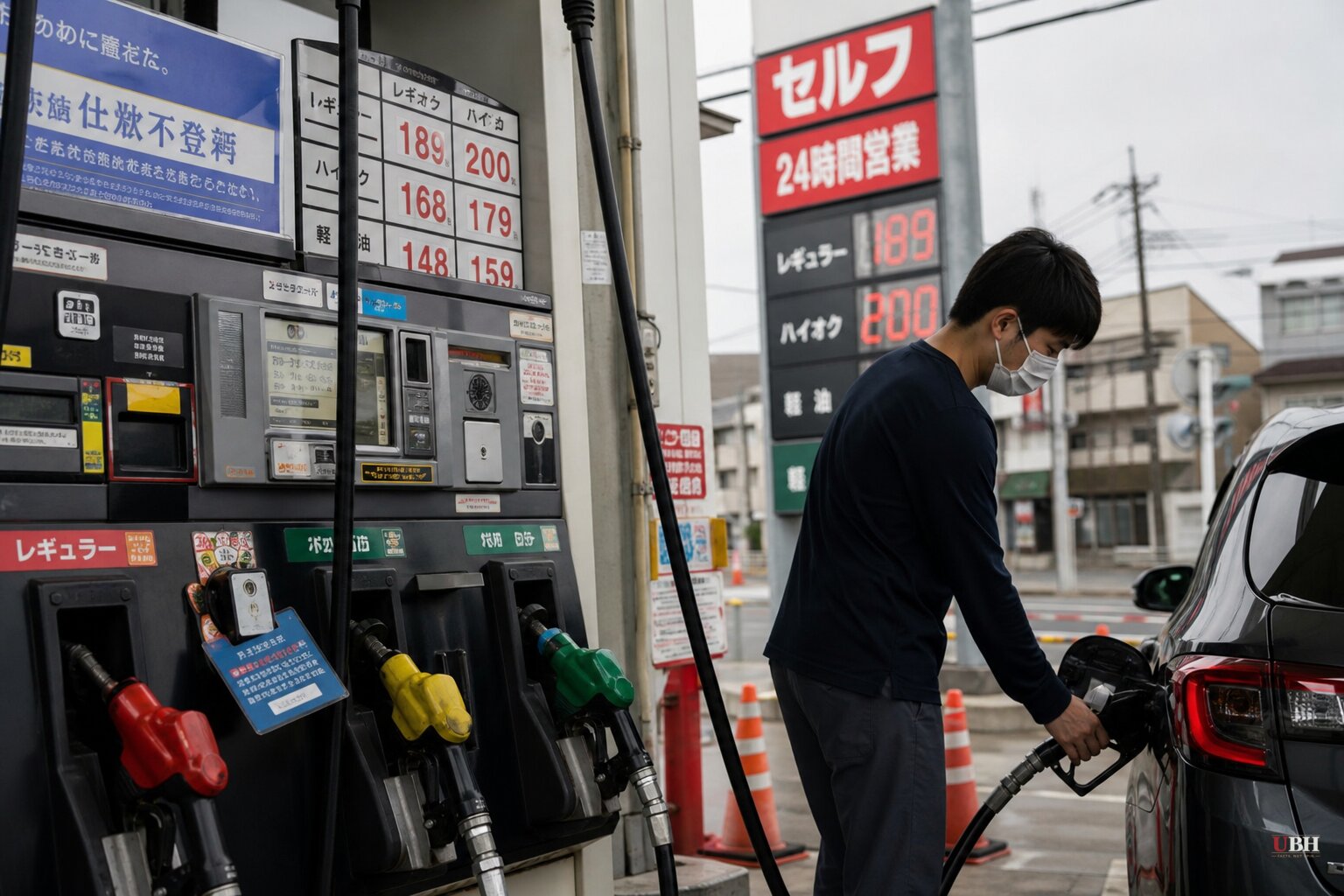
Since fighting between the U.S., Israel, and Iran began on February 28, 2026, the conflict has settled into something closer to a siege than a war fought on a single front. Six months in, the casualties aren't just military. They're showing up on grocery store shelves in Tehran, on power bills in Tokyo, and in currency markets from the Gulf to Wall Street.
Japan's power bill just hit a three-year high
Japan's nationwide day-ahead electricity price jumped 20% in a single week, settling Monday at $0.16 per kilowatt-hour, the highest level since January 2023, according to data from the Japan Electric Power Exchange cited by Bloomberg and reported by ZeroHedge (via OilPrice.com's Tsvetana Paraskova).
The cause is twofold and both parts are verifiable. A heatwave set to intensify through midweek is driving up consumption. Separately, gas supply disruptions tied to the Middle East conflict have pushed spot LNG prices for October delivery into northeast Asia to roughly $22.50 per million British thermal units, the highest level since the early days of the war, according to the same reporting. LNG prices have effectively doubled since the war began, with Qatar's supply repeatedly bottled up behind the Strait of Hormuz.
Japan has responded by burning more coal and less gas, a shift ZeroHedge notes is happening across Asian countries broadly, on pure cost grounds. When your LNG import bill spikes and coal is what's left on the shelf, that's what happens.
Rice, a staple for half the planet, is up 47% globally, 60% inside Iran
Crypto Briefing, citing Hedgeye, reports that U.S. rice prices have climbed more than 47% since the war began. Fertilizer costs are up roughly 40% over the same period. India, the world's largest rice exporter, has seen shipments decline in the first four months of 2026 versus a year earlier, with Basmati exports to Gulf markets hit hardest because those routes run directly through the conflict zone.
Newsbytes App frames part of the price surge differently, pointing to El Niño drought damage in Asia and South America, Indian export restrictions, wheat-market disruption from the Ukraine war, and biofuel demand for corn as contributing factors. Rice and grain prices were already under pressure from weather and unrelated wars before Hormuz became a chokepoint. The Iran conflict didn't create food inflation from zero. It added a fresh shock on top of an already strained system.
Inside Iran itself, the numbers are sharper. Rice prices have risen about 60% and beef about 150% since the war started, according to the Associated Press and separately confirmed by Bloomingbit, citing Korea Economic Daily reporting. Those aren't global benchmark prices. They're what Iranian households are actually paying.
The rial just hit a record low, ahead of new U.S. sanctions
Iran's unofficial exchange rate fell to 2.02 million rials per dollar on August 24, according to Bloomingbit. The central bank's official rate is roughly 1.5 million rials per dollar, but most ordinary Iranians transact at the unofficial rate, meaning the real depreciation hits harder than the official number suggests.
The drop came ahead of a fresh round of U.S. sanctions that Washington has described as an "economic D-Day," according to the Associated Press. Treasury Secretary Scott Bessent has signaled tougher measures including a secondary boycott targeting countries that keep doing business with Tehran. The United Arab Emirates, Iran's largest trading partner and biggest source of imports, announced last week it would halt all trade and financial transactions with Iran entirely.
Iran's Foreign Ministry spokesman Esmail Baghaei responded that any action worsening the situation would "without a doubt" come at a cost, adding "we are by no means standing idle," according to AP.
The IMF projects Iran's GDP will shrink more than 5% this year, with inflation expected to approach 70%, according to Ground News's compilation of AP and Haaretz reporting. Iran's Labor Ministry has reported more than 1 million jobs lost in the first three months of the war alone, while official unemployment sits at 9.1%, though state-affiliated media suggest the real number runs higher.
The human cost, in one taxi driver's words
Ahmad Karimi, a 52-year-old Tehran taxi driver and father of two, told the AP he now works about 15 hours a day and has cut fruit, protein, leisure activities, and even weekends from his family's routine. A 41-year-old mother from northern Iran, speaking anonymously for fear of repercussions, said a basic grocery run without meat now costs her roughly 89 million rials, about $65.
Hadi Kahalzadeh, an Iran economy expert at Brandeis University, told AP that Iran's use of informal networks to route around sanctions is part of why the country's "resistance capacity" has so far kept economic pain from translating into the political concessions Washington wants. That's a genuine, unresolved question raised by multiple sources here. Sanctions pressure is producing real suffering, but no source in this record shows it producing negotiations. Iran has kept up military operations and kept the Strait of Hormuz disrupted throughout.
Iran's leadership has made one visible concession, relaxing mandatory hijab enforcement, a move Ground News's compiled reporting frames as an attempt to manage domestic public opinion rather than a response to U.S. pressure. Officials have also warned that domestic gasoline consumption now exceeds production, an imbalance that has historically triggered protests in Iran when prices spiked.
The open question heading into the next round of sanctions: whether the "economic D-Day" measures Bessent has previewed, and the UAE's total trade freeze, tip Iran's currency and inflation crisis into the kind of domestic unrest that has forced policy changes before, or whether six months of grinding sanctions pressure without political movement is simply the new baseline both sides are learning to live with.
Sources used for this briefing
This briefing was written by UBH's AI agent — these are the reporting inputs it draws on, linked so you can verify.


