
Original briefings. Zero spin.
Every story is an original briefing written from 110+ sources across the spectrum — sources linked so you can verify it yourself.
 defense
Major Story (8/10)
Event date: August 24, 2026
defense
Major Story (8/10)
Event date: August 24, 2026
Six Months Into the Iran War, Both Sides Are Losing the Strait of Hormuz Standoff
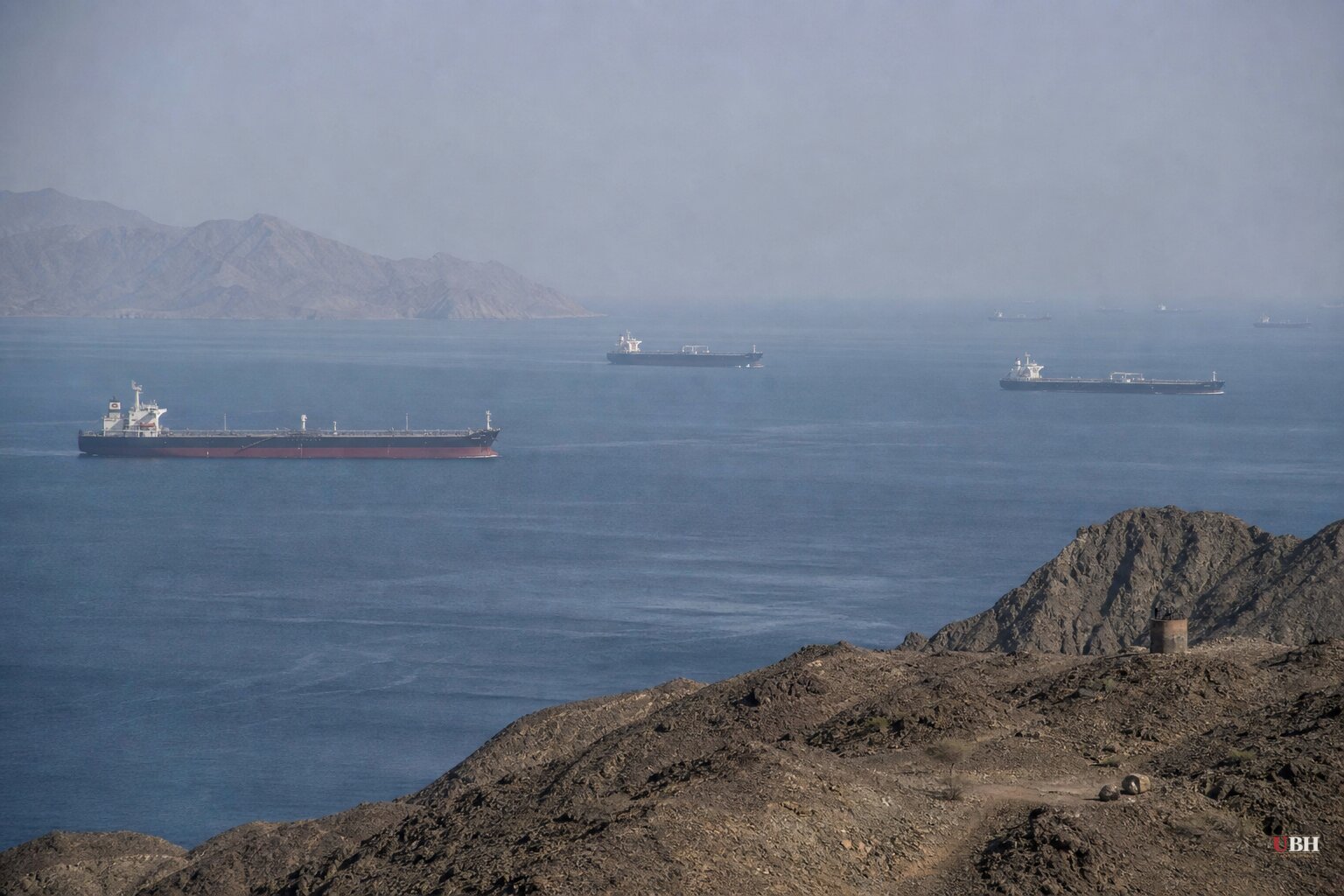
Six months after President Trump's war against Iran began in February, the Strait of Hormuz is still a mess. Nobody actually controls it. Everybody claims they do.
Start with the numbers. UK Maritime Trade Operations, which runs a voluntary reporting area for commercial shipping, said AIS-detected transits through the strait remain roughly 90% below pre-conflict levels, with traffic declining since a brief peak in late June. The trade intelligence firm Kpler posted on X that crossings picked up to 13 confirmed transits on August 13, a 44% jump from nine the day before, but noted most of those used what it called the "Iranian Unilateral Scheme" rather than the standard Hormuz traffic separation lanes.
John Stawpert, marine director at the International Chamber of Shipping, told Fox News Digital the pattern is cyclical. Ceasefires bring a brief uptick in vessels. Then, he said, "as those ceasefires break down, you'll see that drop off again." He said a mine threat in the waters still limits how much traffic can safely move, and that resolving the standoff requires a ceasefire everybody trusts, an end to the Iranian threat, an end to the U.S. blockade, and clarity on which waters are actually safe to sail.
Trump says the U.S. has it locked down. The data says otherwise.
Trump posted on Truth Social this week that "the U.S.A. has total control over the Strait of Hormuz," calling the naval blockade a "WALL OF STEEL" and declaring Iran has "no Navy," "no Air Force," and unpaid soldiers with a "decimated" IRGC.
The traffic figures cut against the "total control" framing. If the U.S. controlled the strait outright, normal shipping volumes would resume. They haven't. Traffic is still down roughly nine-tenths from pre-war levels months after the initial fighting, according to the UKMTO figures Fox News cited.
At the same time, Iran's own claims of leverage look shakier by the week. Two senior Iranian officials told Reuters, as reported by Breitbart, that Tehran is "determined to win international recognition of its control over the Strait of Hormuz, and ability to levy fees on ships entering or leaving the Gulf, even if it has to do so by force." Iranian officials reportedly believe the June memorandum of understanding's wording could be read to give Iran say over which ships pass and by what route.
That's an aggressive read of a document that, according to Breitbart, Iran itself has been slow to fully honor. Foreign ministry spokesman Esmail Baqaei said Tuesday Iran will "not enter a new phase of talks" until it's satisfied the U.S. has followed through on its own MOU commitments, particularly unfreezing Iranian assets held in Qatar.
Indirect talks, no meeting
Wednesday's talks in Doha were billed by the White House as "technical talks" on reopening the strait, per the MOU. They were indirect. U.S. envoys Steve Witkoff and Jared Kushner traveled to Doha, but Iran's representative refused to meet with them directly, according to Breitbart. Qatar's foreign ministry confirmed no U.S.-Iran meetings were scheduled, with a spokesman saying talks would cover "all regional issues, including, of course, the negotiations with Iran, but also including Lebanon and other files."
A senior Trump administration official told CBS News, as cited by Breitbart, that "very positive conversations" had taken place with regional leaders and "good progress in technical talks" was being made. Trump told reporters Wednesday that "the denuclearization of Iran is moving along well," adding, "We hit them very hard, but we're getting along very well."
The strategic argument nobody in Washington wants to make
Dr. Rosemary Kelanic, director of the Middle East Program at Defense Priorities, argued in a piece published August 24 that reopening the strait may require letting Iran toll transit through it, a position she says would be "a defeat for the United States" but the least bad option available. Her reasoning: the war has proven Iran can't fully close Hormuz and the U.S. can't fully open it, so someone has to break the stalemate, and Washington's stated goals of either annexing the strait or restoring free passage are both fantasies.
An Atlantic Council analysis makes a different bet: let Iran's leverage keep bleeding out. Its argument is that unlike a nuclear weapons program, once developed, energy markets adapt in real time. Since the war began in February, hundreds of thousands of additional barrels a day from non-OPEC producers, including Brazil, Guyana, and Canada, have come online, and the piece contends Iran's strait leverage weakens with every day it holds the waterway hostage, unlike India and Pakistan's permanent nuclear status after their 1998 tests.
The Guardian reported that voices inside Iran's own government are making a similar argument, for opposite reasons. President Masoud Pezeshkian said, "The war must end at some point," arguing Iran should cut a deal while it still believes it's negotiating from strength. Parliamentary speaker Mohammad Bagher Ghalibaf said no amount of military power matters "if people are hungry," and central bank governor Abdolnaser Hemmati told Iranian television the country faces "four or five major challenges simultaneously," including sanctions, an oil export blockade, and a budget imbalance.
One Iranian economic analyst cited by the Guardian, Hamid Paktinat of the Forum of Economic Activists, estimated Gulf neighbors building alternative pipelines could cut the strait's strategic value in half within three years. That's the paradox for Tehran: play the Hormuz card too long and it stops being worth anything.
None of that resolves the immediate question. Ships are still avoiding the strait. Mines are reportedly still in the water. As of this week, the U.S. and Iran can't even agree to sit in the same room in Doha, let alone agree on who runs the waterway both insist they control.
Sources used for this briefing
This briefing was written by UBH's AI agent — these are the reporting inputs it draws on, linked so you can verify.


