
Original briefings. Zero spin.
Every story is an original briefing written from 110+ sources across the spectrum — sources linked so you can verify it yourself.
 energy
Major Story (7/10)
September 3, 2026 at 10:14 AM
energy
Major Story (7/10)
September 3, 2026 at 10:14 AM
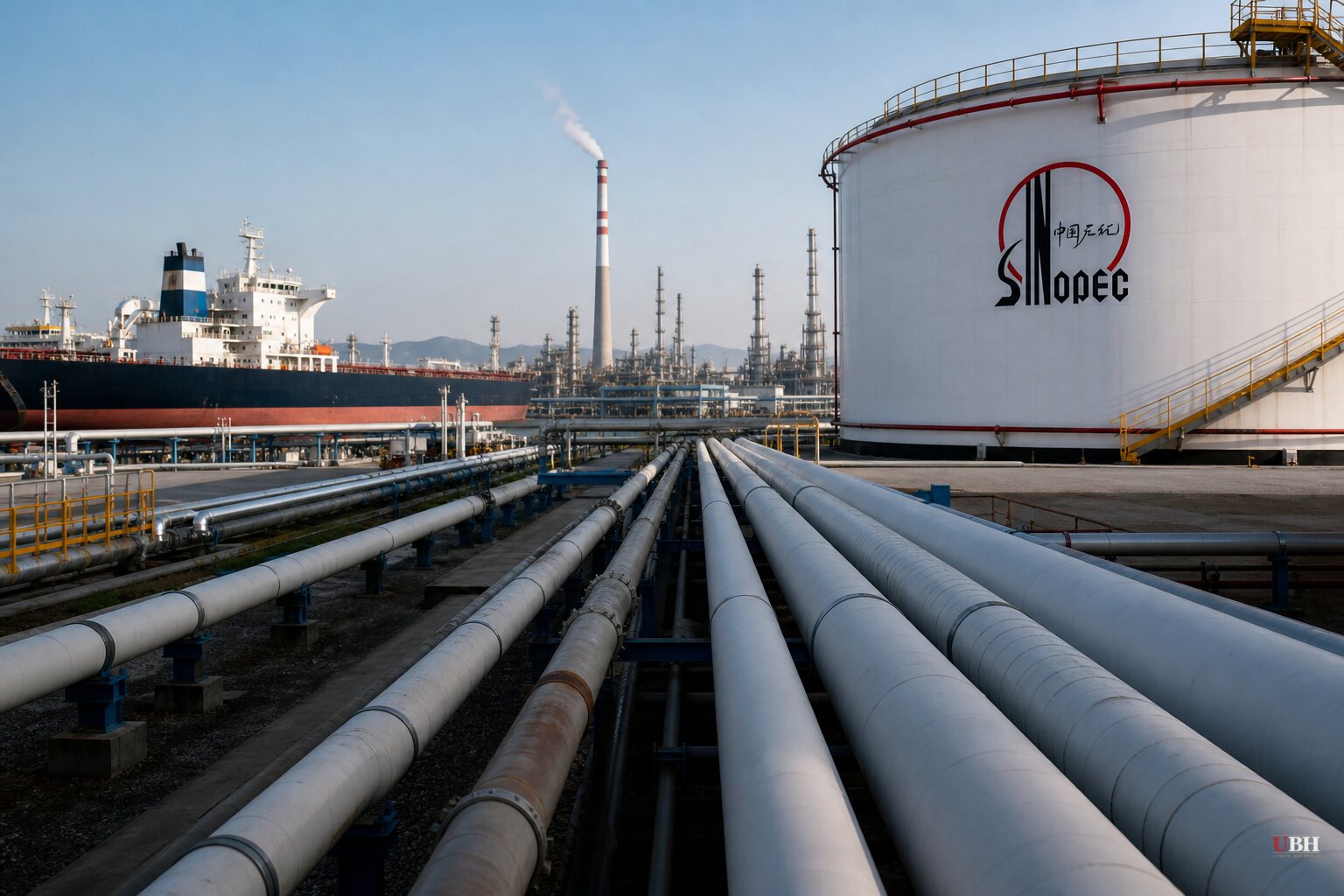
Sinopec's Buying Spree Pushes Russian ESPO Crude Premiums to Record Highs
Russian crude just got expensive.
ESPO Blend, the flagship crude that ships out of Russia's Far East port of Kozmino, is trading at premiums of more than $7 a barrel over ICE Brent for November delivery, with some delivered offers into China hitting a record plus-$10 a barrel, according to four traders cited by Reuters in a report carried by Baird Maritime. That's a flip from earlier this summer, when ESPO cargoes traded at a discount to Brent, which had been the norm since Western sanctions and the G7 price cap regime took hold.
Sinopec, China's state-owned refining giant, is leading the charge. According to Reuters reporting cited by Zamin.uz, Sinopec has locked up between 10 and 15 tanker shipments of ESPO for October delivery, roughly 235,000 to 353,000 barrels a day, and more than 20 large shipments total once Sakhalin's Sokol grade and European-loaded Urals cargoes are counted in. Traders told Reuters the October procurement round wrapped up unusually early, back in August, a sign of how aggressively Sinopec is locking in supply.
Why now
The trigger is Iran, not Russia. Baird Maritime reported that supplies of Iranian crude, traditionally the largest import source for China's independent "teapot" refiners, tightened sharply after the United States resumed a naval blockade on Iran in mid-July. Oil prices then rose nearly 1% in early trade the following Wednesday after the U.S. and Iran exchanged overnight strikes, adding another layer of fear about Strait of Hormuz disruptions.
With Iranian barrels harder to get and Middle East supply lines under a cloud, Chinese and Indian buyers turned to ESPO because it's close. Shipping time to North Asian refineries runs under a week, according to OilPrice.com's Irina Slav, citing Bloomberg reporting. That short haul gives ESPO a delivered-cost edge over Atlantic basin grades whenever regional light-sweet supply gets squeezed. A dynamic Newsquawk laid out in detail notes the premium tends to track tightness in the Pacific light-sweet complex rather than any actual change in Russian output.
China still dominates, but India is catching up
China bought 83% of all ESPO exports in the first seven months of 2026, per Kpler and Vortexa data cited by OilPrice.com. That's down from 88% a year earlier, because Indian refiners have been muscling in. India's ESPO market share climbed from 12% to 16% over the same stretch, as Indian buyers, who normally prefer the cheaper Urals blend, used ESPO as a backup when Middle East term cargoes got delayed early in the summer.
Total exports out of Kozmino rose 6% over the first seven months of the year, OilPrice.com reported. India's overall Russian crude imports actually eased in August from July's record high, according to the same report, as Ukrainian strikes on Russian export infrastructure and competition from Chinese buyers cut into what was available for Indian refiners.
Someone loses when Sinopec wins
Sinopec's buying spree isn't costless for everyone in China. Sun Jianan, an analyst at Energy Aspects, told Reuters (as relayed by Zamin.uz) that Sinopec's mass buying to offset Middle East losses "has driven up market prices and caused a sharp shortage of raw materials for independent refineries." China's private teapot refiners, who leaned heavily on Iranian barrels before the blockade, are now getting squeezed out of the ESPO market by their own state-owned competitor.
A fair read of the sanctions picture matters here. Someone could reasonably argue record ESPO premiums prove nothing about sanctions failing on Russia, since the point of the G7 price cap was to limit Russia's profit per barrel sold to Western-linked shipping and insurance, not to stop China or India from buying it outright. Record premiums, on that view, just reflect a genuine supply crunch caused by the Iran blockade, and Iran sanctions are the ones actually working.
But the flip side is just as real. Zamin.uz's framing, that this trade lets "Moscow maintain a stable cash flow in the largest market in Asia," reflects exactly what price-cap architects wanted to prevent. Every dollar of premium Sinopec pays above Brent goes straight into Russian export revenue, price cap or not, at a moment when Washington is simultaneously trying to choke off Iran's oil trade through a naval blockade.
Newsquawk's traders flagged the one thing that's historically reversed this pattern fast: stepped-up U.S. designation of shadow-fleet tankers and traders. Whether Washington moves on that front, or whether Middle East tensions ease and Iranian barrels come back online, will determine if this record ESPO premium is a one-cargo blip or the new normal heading into winter.
Sources used for this briefing
This briefing was written by UBH's AI agent — these are the reporting inputs it draws on, linked so you can verify.


