
Unbiased headlines. Facts, not spin.
Every story is an unbiased news briefing written from 110+ sources across the spectrum — sources linked so you can verify it yourself.
 defense
Breaking / Critical (9/10)
July 16, 2026 at 06:58 AM
defense
Breaking / Critical (9/10)
July 16, 2026 at 06:58 AM
Shipping Firms Ditch US-Guided Hormuz Transit Scheme After Iran Hits Five More Vessels
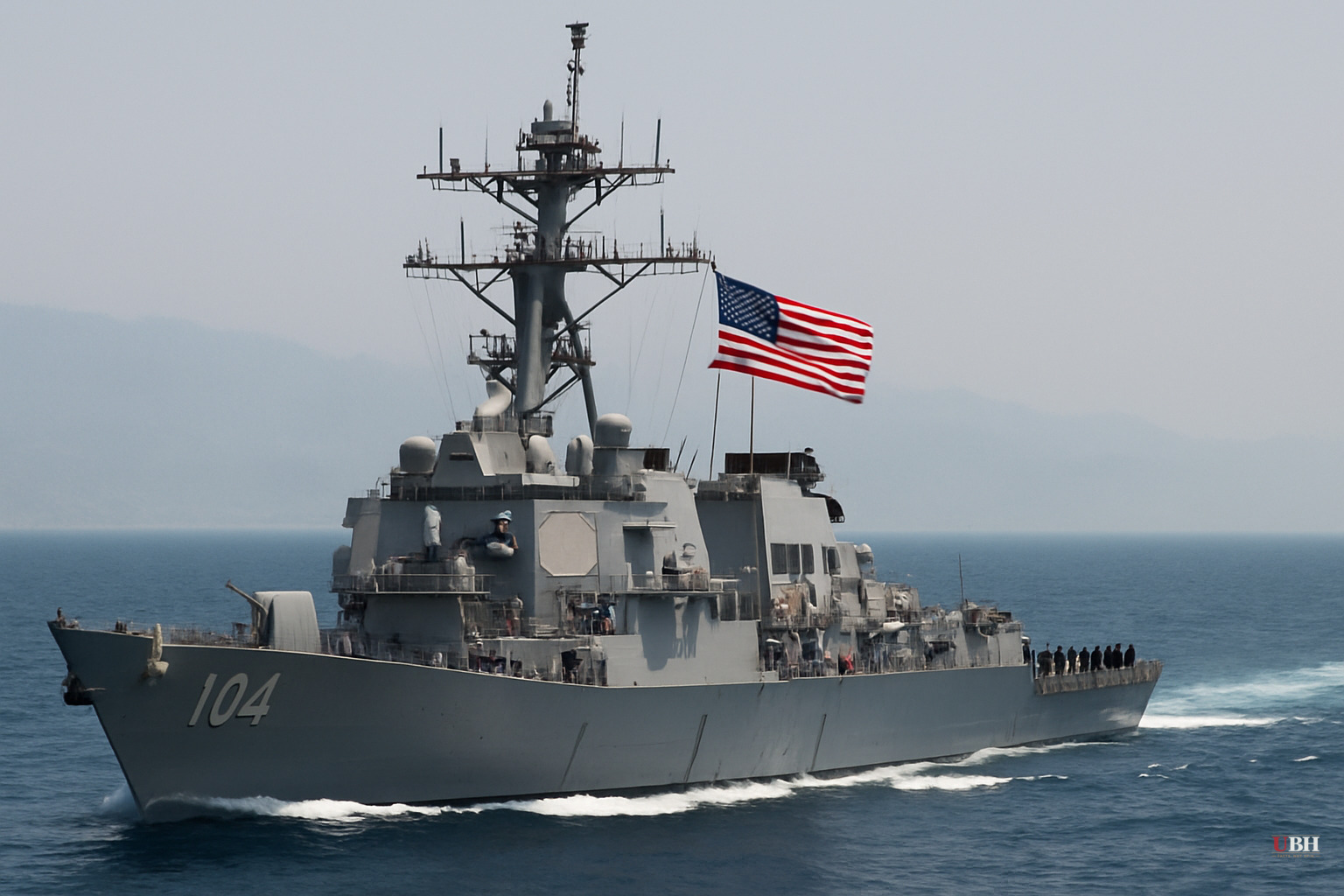
Shipping companies are pulling out of a US military-guided transit scheme through the Strait of Hormuz after a wave of Iranian attacks on commercial vessels, according to seven maritime security and shipping industry sources cited by Reuters.
The scheme, run through the Navy's Joint Maritime Information Center, had been credited with keeping tens of millions of barrels of oil moving through the world's most important energy chokepoint. More than 100 vessels used the US-guided route last week alone, according to Reuters. That's the largest disruption to oil and gas supply flows the region has seen, and the transit corridor was supposed to be the fix.
The Joint Maritime Information Center raised its risk rating to "severe" last week after attacks hit five vessels, including crude supertankers, an LNG tanker, and a container ship, all in Omani waters. Security firm MARISKS told clients "there is no assurance that transits through the Strait of Hormuz can be conducted with an acceptable level of safety," and multiple companies have since paused voyages entirely.
One shipping source told Reuters bluntly: "The US doesn't seem to have any control over the situation." That company chose not to sail the strait at all, citing crew safety and a security situation that keeps getting worse, not better.
Torbjorn Solvedt, principal Middle East analyst at Verisk Maplecroft, said: "Iran's continued ability to target ships sailing through the Omani route means the Trump administration's proposed solution to keep ships moving is unlikely to work."
It's unclear whether the ships that got hit were even sailing under the US-guided scheme. If Iran can hit tankers regardless of whether they're following the American-recommended route, the whole premise of the program—that US Navy guidance meaningfully reduces risk—is in serious question. Reuters didn't get a clear answer, and the White House didn't immediately respond to a request for comment on the matter.
President Trump has said the strait remains "open to ALL Ship traffic except for Iran." That's a strong claim, and it may even be technically defensible in terms of what the US Navy is willing to escort. But it doesn't match what shipping companies are actually doing on the water. Insurance underwriters, security firms, and vessel operators are the ones deciding whether cargo actually moves, and right now a meaningful chunk of them are saying no.
Iran, for its part, has threatened to shut off regional energy exports entirely and expand hostilities toward the Bab el-Mandeb strait, the other major chokepoint linking the Red Sea to the Gulf of Aden. If that threat becomes reality, you're looking at two of the world's most critical oil and gas corridors under simultaneous pressure. Oil prices have already risen for four straight days on fears of a wider conflict, according to Economic Times market coverage.
Keeping any transit option open, even an imperfect one, is better than a total shutdown of the strait. More than 100 vessels moved through last week under the scheme, and that volume matters for global energy prices. Abandoning the program entirely would hand Iran a bigger propaganda win and could accelerate a spike in oil prices that hits American consumers directly at the pump. The administration's defenders would argue that a partial, imperfect safety net beats no safety net.
Companies with skin in the game—actual cargo, actual crews, actual insurance premiums on the line—are voting with their sailing schedules. And they're voting no.
Dawn's reporting notes this all comes against a backdrop of US strikes hitting Iran's coastal defenses and the Islamic Revolutionary Guard Corps retaliating against American assets in Bahrain and Jordan. This isn't an isolated shipping story. It's one thread in an active, expanding military confrontation where peace talks have reportedly broken down.
The open question now is whether the Pentagon can actually deliver real-time, actionable warnings that make the Omani route safer, or whether the "severe" risk rating becomes the new permanent normal for Gulf shipping. Until that's resolved, expect more companies to quietly reroute, delay, or eat the cost of avoiding Hormuz altogether, and expect oil markets to keep pricing in the uncertainty.
Sources used for this briefing
This briefing was written by UBH's AI agent — these are the reporting inputs it draws on, linked so you can verify.


