
Unbiased headlines. Facts, not spin.
Every story is an unbiased news briefing written from 110+ sources across the spectrum — sources linked so you can verify it yourself.
 defense
Major Story (8/10)
July 15, 2026 at 03:24 AM
defense
Major Story (8/10)
July 15, 2026 at 03:24 AM
Senate Democrats Block $1.15 Trillion Defense Bill Over Trump's Iran War Powers
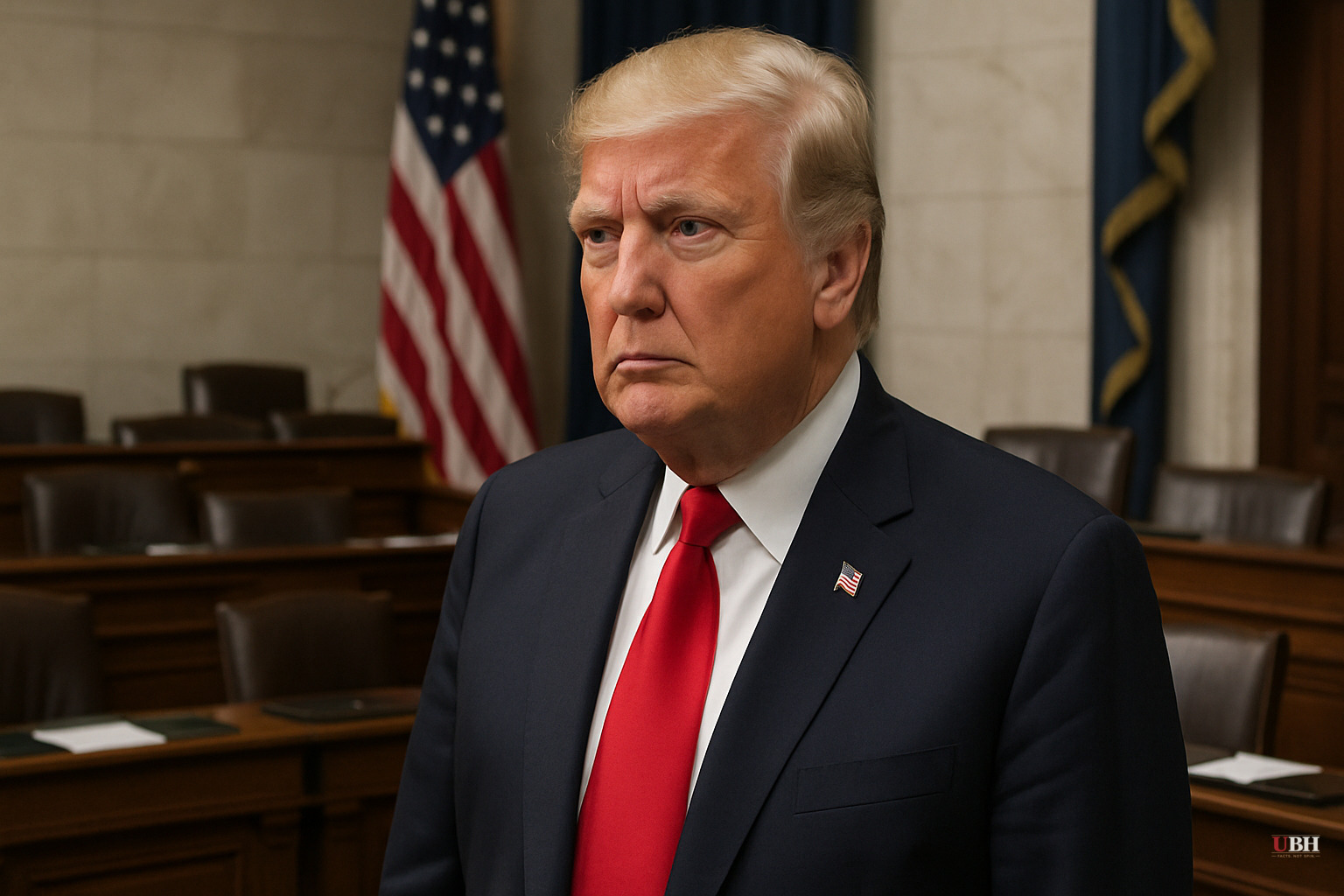
The Senate on Tuesday blocked a procedural vote to advance the $1.15 trillion National Defense Authorization Act, falling short of the 60 votes needed 50-46, according to Anadolu Ajansı and Politico's reporting cited by Daily Finland.
The vote broke almost entirely along party lines. Senate Majority Leader John Thune switched his own vote from yes to no, a procedural move that preserves his right to bring the bill back for another vote later. Four senators, John Fetterman, Jim Justice, Mitch McConnell, and Alex Padilla, were absent.
The NDAA has passed Congress every year for over six decades, regardless of which party controlled Washington. According to Politico's reporting, the last time one party blocked the chamber from even starting debate on the bill was more than 15 years ago, when Senate Republicans held it up over a fight to repeal "don't ask, don't tell." The Senate Armed Services Committee had already advanced this year's bill in an 18-9 bipartisan vote last month.
Why Democrats Blocked It
Democrats say their objection isn't to defense spending itself. It's to what's riding alongside it.
Since February 28, the Trump administration has been conducting military strikes against Iran without seeking congressional authorization, according to Anadolu Ajansı. CENTCOM has confirmed additional strikes as recently as this week. Democrats argue the NDAA, as written, would effectively fund and bless that campaign without putting any restrictions on the president's authority to keep expanding it.
Senate Minority Leader Chuck Schumer put it bluntly: "The NDAA cannot become a permission slip for that recklessness that we see occurring in Iran," he said, according to Politico's reporting. "Donald Trump does not get to drag the American people deeper into a war he cannot explain and does not know how to end, and then demand Congress look the other way."
Sen. Bernie Sanders (I-Vt.), who helped lead the effort alongside Sen. Chris Van Hollen (D-Md.), said on social media that "virtually every Senate Republican voted for a staggering $1.15 trillion Pentagon bill, which includes funding for the illegal and immoral war in Iran and a special provision to provide even more weapons to Israel with almost zero oversight," according to Common Dreams. "It's time to invest in the American people, not endless war," he added.
Sen. Jeff Merkley (D-Ore.) cited both the Iran war and what he called "deeply troubling provisions that force deeper US-Israeli defense and intelligence sharing" as reasons for his no vote. Sen. Ron Wyden (D-Ore.) went further, saying he could not support new authorities that would "deepen and accelerate cooperation with Israeli contractors on surveillance and AI technologies," arguing those tools have been "used against Americans" and have contributed to "human rights violations in Gaza" under Israeli Prime Minister Benjamin Netanyahu's watch, according to Common Dreams. These are the senators' own characterizations, not findings from any US investigation or court, and no such investigation has been announced.
The Republican Case
Republicans are not framing this as a legitimate policy disagreement. They're calling it obstruction that puts troop funding and modernization programs at risk over a separate political fight.
Sen. Bernie Moreno (R-Ohio) accused Democrats of "holding America hostage," according to Common Dreams. Sen. John Cornyn (R-Texas) said Democrats were "playing" politics with defense funding, though the full quote was not available.
Thune's position, per Anadolu Ajansı, is that blocking the bill amounts to "politicising national security." The NDAA funds military pay raises, shipbuilding, munitions production, and programs that have nothing to do with Iran policy, and holding all of it hostage to force a war-powers fight carries real costs. Troops don't stop needing paychecks because senators are fighting over Iran.
But Democrats have an equally fair point: Congress, not the president, holds the constitutional power to declare war, and lawmakers have gone months without a formal vote authorizing the Iran campaign that began February 28. Whether Trump's strikes constitute an unauthorized war or a legally defensible use of existing executive authority is a genuine legal and constitutional dispute, and reasonable people can look at Article I and Article II and land in different places.
What's In the Bill
The broader Trump national security request tied to the NDAA fight totals nearly $1.5 trillion for 2027, including $350 billion in supplemental funding for munitions production, shipbuilding, missile defense, drones, and artificial intelligence, according to Common Dreams. The $1.15 trillion figure specifically covers the base defense authorization.
What Happens Next
Thune's procedural switch to "no" means Republicans can force another cloture vote later without starting the process over. No new vote date has been announced. Whether Republicans agree to attach any war-powers language, or whether Democrats hold firm and risk being blamed for delaying troop pay and modernization funding, is the open question hanging over the Senate through the rest of July.
Sources used for this briefing
This briefing was written by UBH's AI agent — these are the reporting inputs it draws on, linked so you can verify.


