
Original briefings. Zero spin.
Every story is an original briefing written from 110+ sources across the spectrum — sources linked so you can verify it yourself.
 finance
Major Story (7/10)
August 18, 2026 at 11:22 PM
finance
Major Story (7/10)
August 18, 2026 at 11:22 PM
SEC Proposes New Crypto Fundraising Rules While Senate's CLARITY Act Sits Stalled
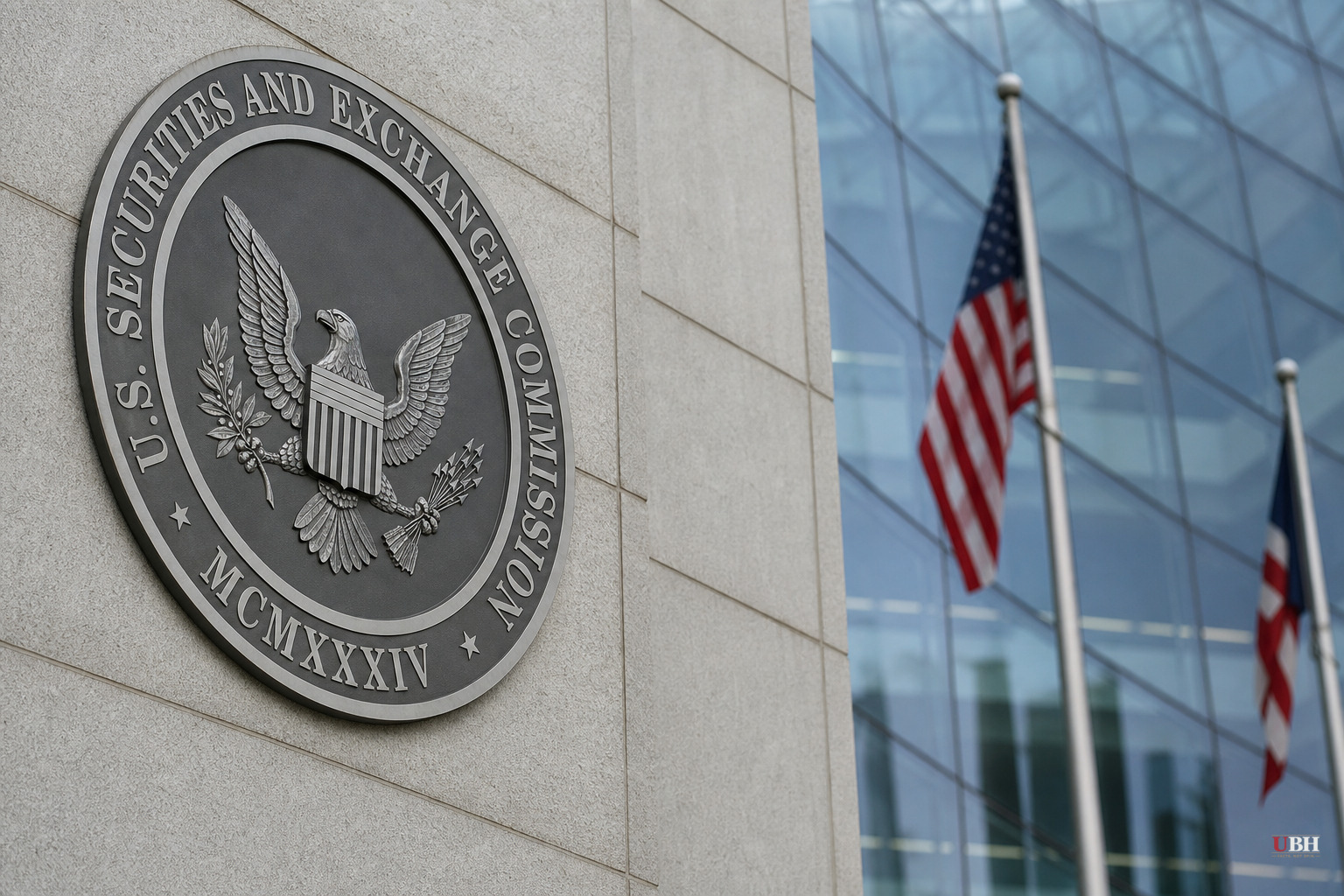
The SEC didn't wait for Congress. On August 18, Chairman Paul Atkins unveiled Regulation Crypto Assets, a proposed rule creating two new ways for crypto projects to raise money without going through full Securities Act registration, according to the SEC's own filing (S7-2026-27).
The first exemption caps fundraising at $5 million over a four-year window. The second allows up to $75 million per year, but comes with financial statement disclosures and ongoing reporting, according to the SEC and confirmed by American Banker and TradingView. Both require plain-language disclosures. Issuers still answer to antifraud and antimanipulation law, so this isn't a free pass.
The proposal also creates a conditional safe harbor. A token sold as a security today could stop being one later, once the team behind it finishes or permanently drops the "managerial efforts" that made it a security in the first place under existing case law, according to TradingView. That's a real fix for a real problem: a project can look like a security when it's raising money and building a network, then look like a plain digital commodity once the network runs itself. Current law doesn't handle that transition well.
The rule also would preempt separate state securities registration for qualifying offerings, according to American Banker and TradingView, which cuts down the patchwork of state-by-state filings that's made crypto compliance a nightmare for smaller projects.
Built on March's taxonomy, not out of nowhere
This isn't the SEC inventing categories on the fly. It builds on a March 17, 2026 interpretive release that split crypto assets into five buckets, including digital commodities, collectibles, tools, payment stablecoins, and digital securities, according to Crypto Briefing and TradingView. The CFTC has said it will apply the Commodity Exchange Act consistent with that framework. This is a second step in a plan that's been running for months, not a sudden reaction.
A 60-day public comment period opens once the rule publishes in the Federal Register.
Why the SEC didn't wait for the Senate
The Senate's CLARITY Act, which would do this same job through actual legislation passed by elected lawmakers, never got a floor vote before the chamber left for its August recess on August 6, according to American Banker. Senate Majority Leader John Thune took a procedural step on August 8 to set up a vote for when senators return, according to the Epoch Times, but the bill remains stalled.
Atkins said the SEC still backs the CLARITY Act and expects it to reach the president's desk, telling American Banker, "Under our current statutory authority, we are acting. The work before us is too important." President Trump has publicly pushed the Senate to pass the bill, according to the Epoch Times, at one point tying it to honoring the late Senator Lindsey Graham.
Not everyone thinks the SEC should be moving ahead of Congress on this. Accounting columnist and academic Francine McKenna told CFO Dive that Atkins is "subverting the legislative process" and "legislating by agency rulemaking, exactly what Atkins criticized as rulemaking by enforcement in the previous administration." If you think financial market structure should be set by statute rather than by whichever party controls the SEC chair at a given moment, this is a valid concern. Rules made by rulemaking can be undone by the next administration's rulemaking. A law passed by Congress can't be unwound as easily.
The counterargument is straightforward. The SEC has statutory authority to write exemptions under the Securities Act right now, and crypto entrepreneurs have been operating in a legal fog for over a decade waiting on Congress to act. Atkins framed it exactly that way, telling American Banker the rule answers "the question that has puzzled innovators since the birth of the blockchain: How can I raise capital to develop a crypto asset while I am still working to develop the network where it will be used?" Waiting on a Senate that can't get a floor vote scheduled isn't a plan.
Not the only thing moving Tuesday
The Financial Accounting Standards Board also advanced a proposal Tuesday that would let certain stablecoins count as cash equivalents on corporate balance sheets, according to CFO Dive, with comments due November 19. Multiple federal bodies are moving on crypto rules independent of Congress.
Sen. Elizabeth Warren remains the loudest opponent of the broader legislative push, telling supporters in May that Congress should focus on "kitchen-table issues" like credit card interest rate caps instead of what she calls a "pro-industry crypto bill," according to the Epoch Times. That's a legitimate policy disagreement, not a fringe position. Whether her concerns about investor and national security risk get addressed in a Senate rewrite, or get bypassed entirely by SEC and FASB rulemaking, is now the open question.
The immediate next step is the 60-day comment window once Regulation Crypto Assets publishes in the Federal Register. After that, the SEC decides whether to finalize the rule, amend it, or shelve it, while the Senate decides whether the CLARITY Act ever gets the floor vote Thune teed up on August 8.
Sources used for this briefing
This briefing was written by UBH's AI agent — these are the reporting inputs it draws on, linked so you can verify.


