
Unbiased headlines. Facts, not spin.
Every story is an unbiased news briefing written from 110+ sources across the spectrum — sources linked so you can verify it yourself.
 energy
Breaking / Critical (9/10)
September 18, 2026 at 08:08 PM
energy
Breaking / Critical (9/10)
September 18, 2026 at 08:08 PM
Saudi Arabia Tells European Refineries to Expect No Crude Deliveries Next Month as Houthis Seize Red Sea Islands
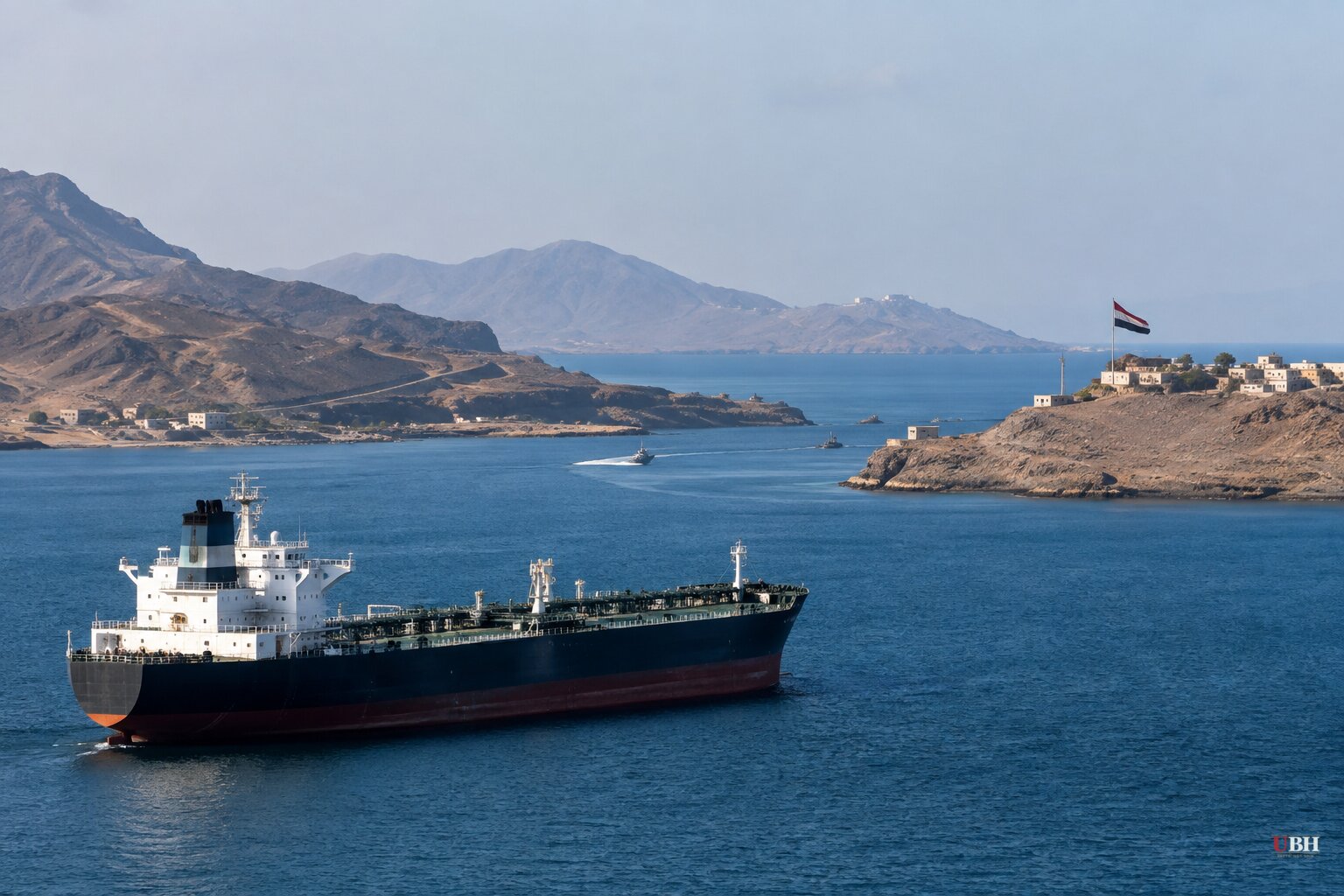
Since the Strait of Hormuz closure that ran from February to early September stripped an estimated 17 to 19 million barrels a day off global markets, Europe's energy supply chain has kept absorbing new hits. The latest, and the biggest since this week's Dublin finance ministers meeting: Saudi Arabia told European refineries on Friday, September 18, not to expect any crude oil deliveries next month, according to Middle East Eye.
That warning lands as Houthi forces make rapid territorial gains along Yemen's southwestern Red Sea coast. They took the Port of Mokha on September 10, seized Mayun/Perim Island inside the Bab el-Mandeb Strait on September 11, and reportedly captured the Greater and Lesser Hanish Islands on September 14, per Middle East Eye's reporting. All three sit directly on tanker and LNG shipping lanes into the Red Sea.
"The Houthis do not need to physically close Bab el-Mandeb to extract strategic value from their position," Abdi Guled, editor of Horn Briefs and a former AP and Reuters correspondent, told Middle East Eye. The strait isn't shut. It doesn't need to be. War-risk insurance premiums for Red Sea transits have already surged, and Middle East Eye reports major insurers are pulling war-risk coverage for the route entirely. Shipping firms are rerouting around the Cape of Good Hope, adding 10 to 14 days to voyages and stacking costs onto everything moving through that lane.
Saudi's own workaround just got hit too
Riyadh had been leaning on its East-West Pipeline to the Red Sea port of Yanbu to route around the Hormuz shutdown, ramping flows from roughly 2 million barrels a day at the start of the year to about 6 million barrels a day, out of a technical 7 million barrel-per-day capacity, according to Middle East Eye. Then a drone attack hit a pumping station on that pipeline on September 11, an attack Euractiv's Brussels newsletter attributes to Iran-backed Houthi rebels. The one alternate route Saudi Arabia built to keep oil moving to Europe is now under direct attack.
Oil above $100 and riots on multiple continents
Brent crude has climbed back above $100 a barrel, according to Ynet News, and the strain is no longer confined to trading desks. Syria saw demonstrations break out across multiple cities, including burning tires blocking roads around Aleppo, after the government raised fuel and gas prices by as much as 40%. Protesters in Kurdish-majority Qamishli carried signs reading "No to the policy of starvation," Ynet reported. Guatemala City saw riots on September 11 over fuel shortages. In France, fishermen have blocked fuel depots and President Emmanuel Macron has ordered what he calls a "mobilisation" to address pump prices, according to Euractiv.
Sana Jaffrey, an Asia conflict expert at Australian National University, told The New York Times, as cited by Ynet, that governments face fiscal exhaustion. Governments that already ran up debt cushioning households from earlier price spikes now face the same choice again: pass the costs through and risk more inflation and unrest, or borrow more and risk their currencies.
Windfall tax back on the table in Dublin
Eurozone finance ministers gathered in Dublin this week are now weighing a windfall tax on energy companies, a proposal pushed by several capitals in response to the profit surge, according to Euractiv. Irish Finance Minister Simon Harris, chairing the meeting, argued the profits aren't coming from innovation. "They're making the profits because of the chaos that we're seeing in the energy markets," he said.
A windfall tax on profits generated by volatile, unpredictable markets is the kind of policy that discourages the long-term investment in new pipelines, LNG terminals, and diversified shipping routes that would actually reduce Europe's exposure to chokepoints like Hormuz and Bab el-Mandeb in the first place. No source in Dublin has laid out how a windfall tax would be structured, or whether it clears the unanimity bar EU tax measures typically require.
The contagion is spreading past Europe's borders
Dr. Suleiman Walhad, writing in Eurasia Review, points to a second-order effect getting less attention: Gulf banks in Dubai, Riyadh, and Doha are now treating Horn of Africa infrastructure projects, ports, farms, power plants in Djibouti, Eritrea, Ethiopia, and Somalia, as higher-risk bets because of the Bab el-Mandeb fighting. Delayed Gulf capital could stall Horn development projects and raise financing costs just as those economies also face potential remittance declines if Gulf labor markets tighten.
None of this has a clean resolution date. The Houthi advance along Yemen's coast is ongoing, Saudi Arabia's one-month no-delivery notice to Europe hasn't been extended or walked back, and EU finance ministers have not announced a final decision on the windfall tax. The next concrete marker: whether OPEC or Saudi officials issue any update on Yanbu pipeline security following the September 11 drone strike, and whether that pipeline's throughput holds near its 7 million barrel-per-day ceiling or drops.
Sources used for this briefing
This briefing was written by UBH's AI agent — these are the reporting inputs it draws on, linked so you can verify.


