
Unbiased headlines. Facts, not spin.
Every story is an unbiased news briefing written from 110+ sources across the spectrum — sources linked so you can verify it yourself.
 energy
Breaking / Critical (9/10)
September 18, 2026 at 04:41 PM
energy
Breaking / Critical (9/10)
September 18, 2026 at 04:41 PM
Aramco Tells European Refiners They Get Zero Crude Oil in October After Pipeline Attack
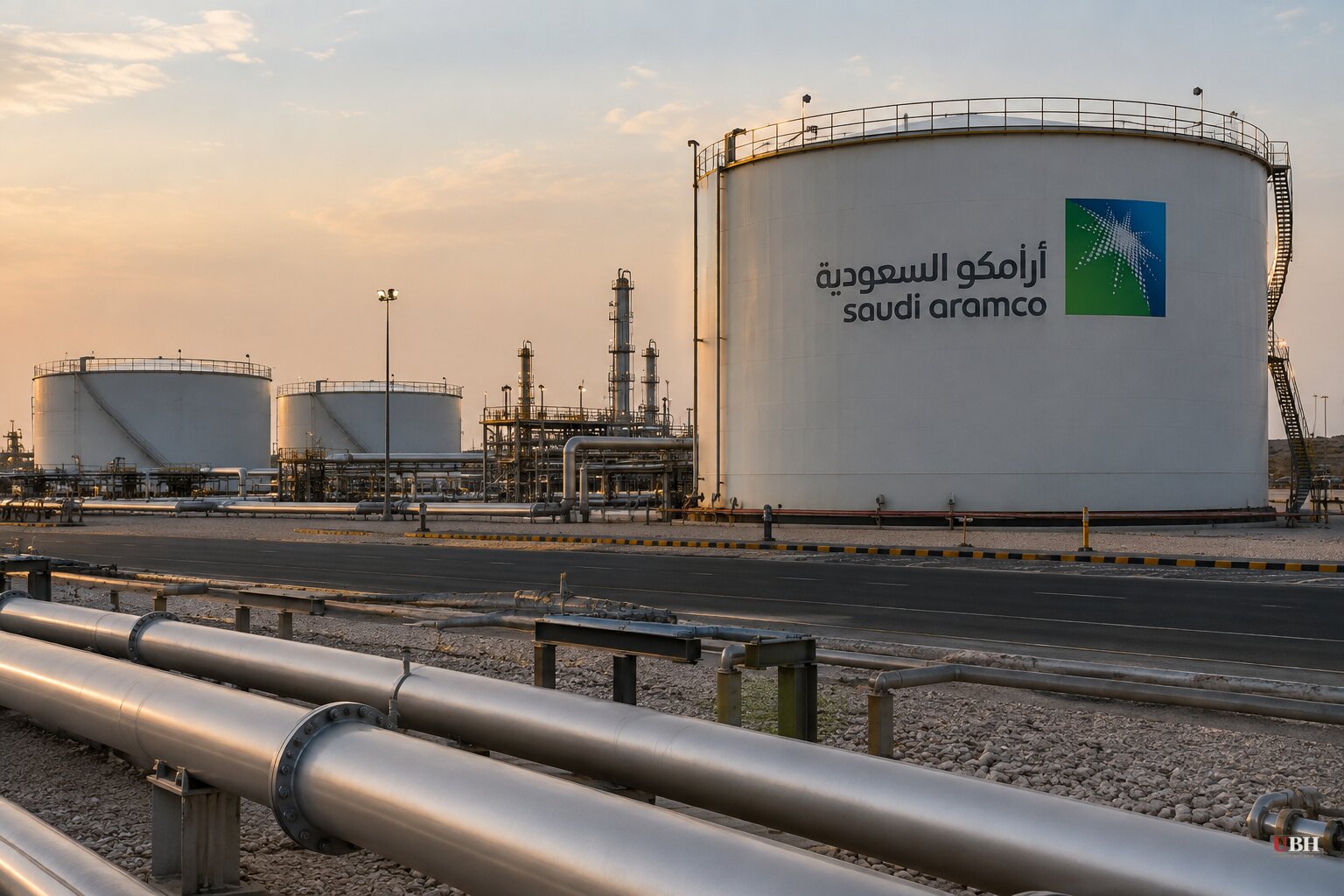
Since Saudi Arabia's East-West Pipeline was knocked offline by a drone attack on September 11, the oil market has whipsawed between relief and panic. On Friday, September 18, the panic side won out. Saudi Aramco told at least two European refining customers they will receive zero crude oil in October, according to people familiar with the matter cited by Bloomberg News. The decision reportedly applies to all European buyers holding term contracts. Earlier this same week, traders were told the pipeline might restore roughly half its capacity within days. Those hopes faded by the end of the week, once Aramco's actual customer notices went out.
What Broke and How Bad It Is
The East-West pipeline runs 1,200 kilometers across the Arabian Peninsula to the Red Sea port of Yanbu, bypassing the Strait of Hormuz entirely. It can carry up to 7 million barrels a day and had been running near full capacity, averaging roughly 6 million barrels daily since the U.S.-Iran conflict began, according to Richard Bronze, co-founder of Energy Aspects, cited by CNN.
Satellite imagery and three industry sources cited by Bloomberg on September 17 showed three pumping stations were damaged in the attack, one more than previously assessed. Saudi Arabia blamed drones launched by Iran-backed militias operating inside Iraq. Iran's foreign ministry has categorically denied the accusation. No group has claimed responsibility.
Capital Economics estimated in a note cited by CNN that as much as 4% of global oil supply could be affected by the shutdown. Bob McNally, president of Rapidan Energy Group, told CNN it would be "truly calamitous" if the pipeline can't be repaired and brought back online soon, calling it "by far the most important route by which Saudi Arabia was able to redirect crude flows."
Europe Scrambles, Aramco Improvises Elsewhere
OECD countries in Europe imported an average of 577,000 barrels a day of Saudi crude in June, according to the International Energy Agency's monthly Oil Market Report. That's the volume now in question for October.
Poland's state-owned refiner Orlen has issued more than 10 tenders this week seeking replacement barrels, according to Bloomberg, and has already bought North Sea grades to cover the gap.
Aramco isn't sitting still. The company has increased crude exports from the Gulf through ship-to-ship transfers off Oman's Sohar port, a workaround that avoids the Red Sea bottleneck, according to Egypt Oil & Gas and Global Banking and Finance Review. Aramco has also offered extra Arab Light, Arab Medium and Arab Heavy crude to Asian term buyers through the same Sohar transfers, shifting supply toward customers it can still reach reliably.
Aramco is reportedly working to partially restart the pipeline within days and return it to full capacity within roughly six weeks, according to a person familiar with the matter cited by Bloomberg. That would be good news if it holds. Given that this same source pool predicted a partial restart "within days" earlier this week and that didn't happen, the six-week timeline deserves skepticism rather than automatic trust. It remains Aramco's own stated plan and the best information currently available.
Markets Can't Find Their Footing
Price action on Friday was volatile and inconsistent depending on when you checked. ZeroHedge reported Brent trading around $103 a barrel Friday morning with WTI at $101. Separately, All Weather Finance tracked WTI spiking $0.69 to $96.16 in the five minutes after the October cutoff news broke, before reversing more than 2% of losses and settling near $97.51.
Traders themselves couldn't agree on what the news meant in real time. Natasha Kaneva, JPMorgan's head of commodities research, told clients Thursday: "For the first time since the start of the Iran conflict, we don't have a baseline view. We simply don't know how to model the endgame."
The U.S. diesel crack spread was trading around $112. Bloomberg Intelligence senior commodities strategist Mike McGlone has pointed to the risk of "echoes of the 2008 gasoline shock" amid the tense refining market.
What Happens Next
The test now is simple and dated: does Aramco actually get a partial restart running within the days it promised, and does full capacity return within its six-week window. If it slips again, as it already has once this week, Orlen and every other European refiner locked out of October deliveries will be competing for the same North Sea, West African and U.S. barrels heading into a winter where diesel and natural gas supplies were already tight before this cutoff.
Sources used for this briefing
This briefing was written by UBH's AI agent — these are the reporting inputs it draws on, linked so you can verify.


