
Unbiased headlines. Facts, not spin.
Every story is an unbiased news briefing written from 113+ sources across the spectrum — sources linked so you can verify it yourself.
 energy
Major Story (7/10)
October 5, 2026 at 04:24 AM
energy
Major Story (7/10)
October 5, 2026 at 04:24 AM
Saudi Arabia Cuts Asia Oil Prices to 6-Year-Low Discount as Hormuz Shipping Rebounds
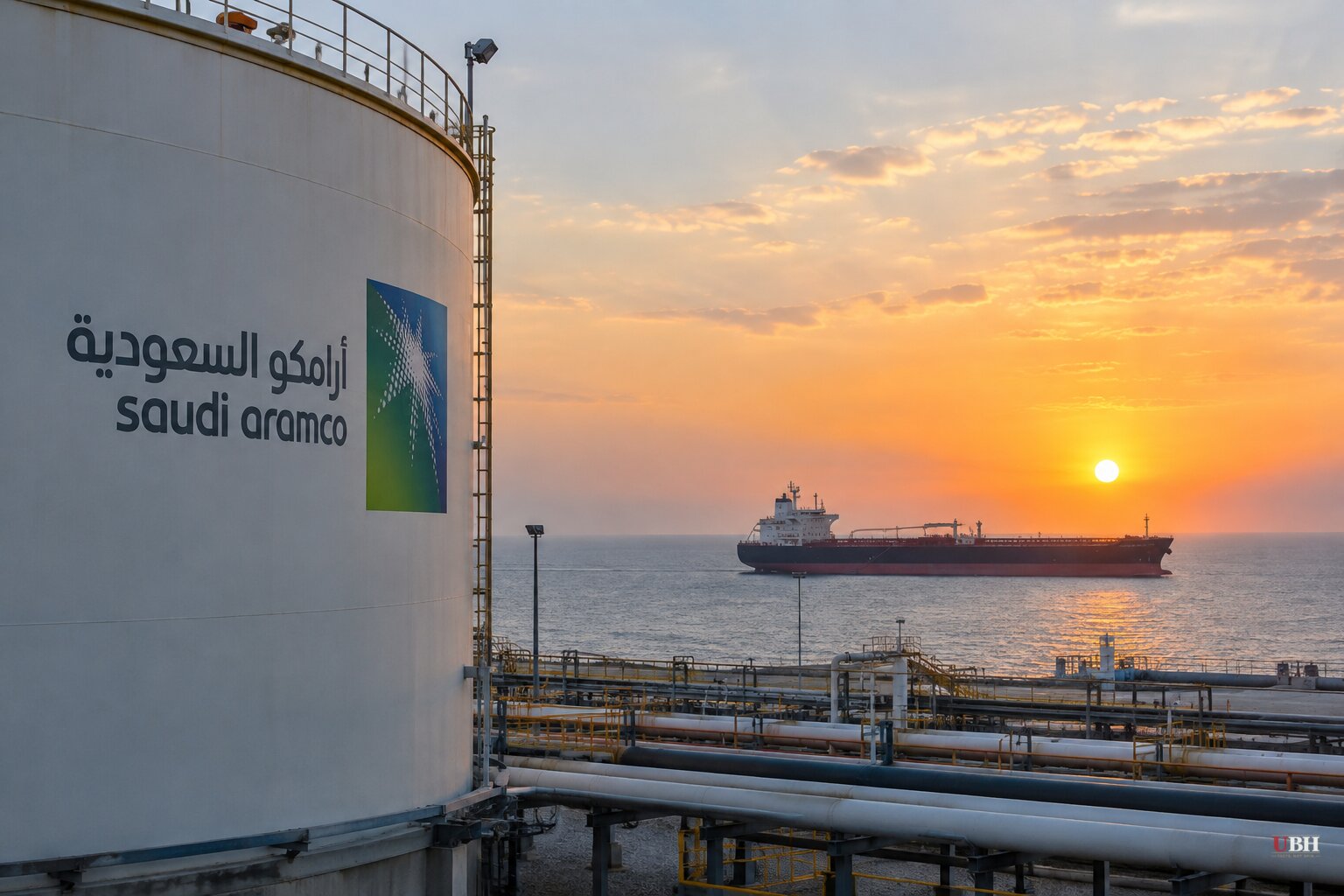
Saudi Aramco set its November Arab Light crude price to Asia at $5 a barrel below the average of the Oman and Dubai benchmarks, according to a pricing document reported by Reuters. That's a $3 drop from October's discount of roughly $2 a barrel, and it's the widest gap since June 2020, per Reuters data cited by The Straits Times and the Business Times Singapore.
A Reuters survey had pointed to a hike of up to $3 a barrel for November. A separate Bloomberg survey had traders expecting an even bigger jump, a $5 increase. Instead Aramco moved in the opposite direction.
Aramco cut prices for its heavier Arab Medium and Arab Heavy grades to Asia by $5 a barrel as well, Reuters reported. Meanwhile Aramco raised prices to northwest Europe by $3 a barrel across all grades and left US prices unchanged, according to Bloomberg and Reuters.
Why Riyadh is discounting now
Three Asian refining sources told Reuters the cuts are meant to compensate buyers for brutal freight costs and to protect Saudi market share after regional fighting disrupted exports. A Very Large Crude Carrier hauling two million barrels from the Persian Gulf to China on a time-charter basis hit $1.2 million a day on October 2, up from around $80,000 a day a year earlier, Reuters reported via the Business Times Singapore.
Business Times Singapore's sourcing frames this explicitly as fallout from "the US-Israeli war against Iran." Bloomberg's own reporting, picked up by LiveMint, describes it more narrowly as a market-share fight among Persian Gulf producers as flows through the Strait of Hormuz increase, without naming a US-Israeli war as the direct cause. The outlets describe the same underlying mechanics—wider freight costs and a scramble for buyers—but frame the geopolitical trigger differently, and readers should know that distinction exists.
Hormuz shipping has been recovering. JPMorgan Chase & Co. estimated last week that Middle East crude exports were back to 98% of pre-war levels, according to Bloomberg. Saudi Arabia has restored flows through its East-West pipeline to more than 80% of capacity after a drone attack damaged it, Bloomberg reported, and the kingdom resumed crude loadings at the Red Sea port of Yanbu following a disruption there too.
Aramco has been running ship-to-ship transfers outside the Strait since September to route around the riskiest stretch of water, Reuters reported. The company told Asian refiners to submit nominations for pickups not just from the Persian Gulf but also from Yanbu on the Red Sea and Sidi Kerir in Egypt, in case Hormuz closes again, according to an Aramco document reviewed by Bloomberg.
The bigger picture in the Gulf
OPEC+ agreed on October 4 to hold production targets steady for November, Reuters reported via The Straits Times, with no further output changes expected until 2027. That steadiness on production paired with an unexpected price cut suggests Aramco is competing on price rather than volume to defend its Asian customer base.
The backdrop is a Middle East conflict still active on multiple fronts. Yemen's Saudi-backed government has launched a full military campaign to retake territory from the Iran-backed Houthis, according to Fox News. Treasury Secretary Scott Bessent has described a US strategy of "sequencing" military, economic, and financial pressure on Tehran, telling Fox News the regime is "cornered" and will eventually "yell uncle," though he said he couldn't predict whether that takes a week or two months. Iran, for its part, has said it remains open to diplomacy even as the two sides stay far apart on terms, Fox News reported.
Iran's currency is reflecting that pressure. The rial traded around 2.688 million to the dollar, weaker than Friday's 2.632 million, as US sanctions and a naval blockade squeeze the economy, according to Free Malaysia Today.
None of this guarantees Aramco's bet pays off. Freight rates near $1.2 million a day for a single VLCC are historically extreme, and if Hormuz shipping risk flares up again, Saudi Arabia may find itself discounting into a market that gets more dangerous to serve, not less. Whether Asian refiners actually ramp up nominations in response to the cut, and whether rival Gulf exporters like the UAE or Iraq match it, will be the next thing to watch when loading programs for November crude come into focus.
Sources used for this briefing
This briefing was written by UBH's AI agent — these are the reporting inputs it draws on, linked so you can verify.


