
Original briefings. Zero spin.
Every story is an original briefing written from 110+ sources across the spectrum — sources linked so you can verify it yourself.
 tech
Major Story (7/10)
August 21, 2026 at 10:40 PM
tech
Major Story (7/10)
August 21, 2026 at 10:40 PM
Same Uber Ride, Different Price: Investigation Finds Insurance Fees Swing by $35 for Identical Trips
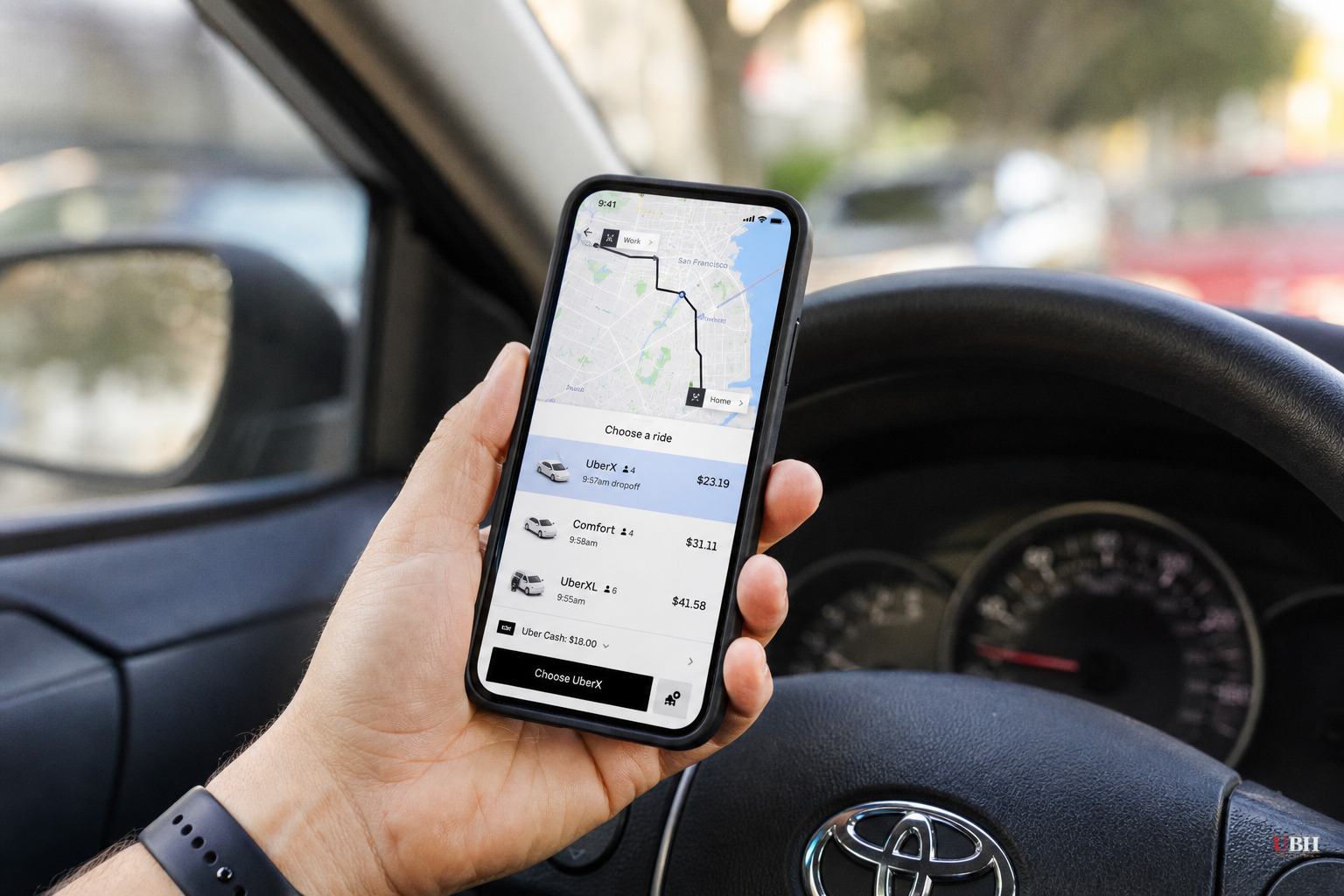
Uber sold America on a simple pitch: cheaper, more transparent rides than a taxi. Fifteen years later, riders can't predict what they'll pay for the same trip, and drivers can't predict what they'll earn.
An investigation by More Perfect Union, titled "We Investigated Uber Again. It's Worse Than Last Time," found that Uber's commercial car insurance fees, which the company says make up roughly 20% of a fare, varied by more than $35 for an identical ride. Same driver. Same rider. Same route. Same time of day.
The outlet tracked one driver who ran the same trip repeatedly and logged the insurance fee each time. It ranged from $13.75 to $50. That driver estimated roughly $20,000 of his annual fares went toward these commercial insurance charges alone.
The data went to Len Sherman, an economist with a PhD from MIT who serves as Executive in Residence at Columbia Business School. Sherman found that year of the trip, day of the week, time of day, and service type had no effect on the fee. Only two variables moved the number: the price of the trip and the driver's pay.
"People with essentially the same type of risk profile should be charged the same amount of premiums," Sherman said, according to More Perfect Union's reporting. Insurance is supposed to price risk. This priced revenue instead.
Insurance fees are baked into the fare riders see and the deductions drivers absorb. If the fee is really a function of price rather than actuarial risk, riders and drivers deserve to know that's what they're paying for, not a line item pegged to safety data.
Uber disputes the framing. The company told More Perfect Union its overall take rate is around 20%, according to the investigation. The investigation's own accounting says Uber is now taking over 50% of what riders pay, up from about 15% before Uber's 2019 IPO. It also found driver pay was cut 30-35% "almost overnight" around the time of that IPO.
Those are two very different numbers for the same relationship, and the gap between them is worth staying skeptical about until Uber opens its books further. Uber has publicly and repeatedly denied using personalized rider data to set individual prices, and has pointed to higher insurance costs, inflation, and a post-pandemic driver shortage as reasons for higher fares, according to Business Insider.
Business Insider's own reporting backs up part of the pattern. From 2018 to 2022, average Uber fares in the US rose 83%, nearly four times the rate of inflation over that period, per Business Insider. When BI staffers requested identical UberX rides at the same time, the highest quote was almost 21% more expensive than the lowest. Consumer Reports ran a larger test of Uber and Lyft fares and found even bigger swings on some routes.
None of that alone proves Uber is running a scheme. Ride-hail pricing genuinely depends on real-time supply and demand, driver availability, traffic, and local insurance markets that differ state to state. Uber's move to "upfront pricing," replacing a fare formula based mostly on time and distance with an algorithm weighing dozens of live variables, is the mechanism the company says explains the variation, not personalized targeting.
But Sherman's insurance-fee finding is a narrower, sharper claim than "prices went up because costs went up." If the fee tied to a specific line item, insurance, moves in lockstep with total fare price rather than with actual risk factors, that's a transparency problem independent of whether overall costs rose. Uber has not published the methodology behind how it calculates that per-trip insurance charge, and neither More Perfect Union nor Sherman had access to Uber's internal formula. What they had was outcome data from one driver's trip log.
Sherman calls Uber "having lost more money than any company in history until Open AI came along," a company that has since become "a money making machine." Uber posted its first full year of GAAP profitability in 2023 and has grown net income since. Whether that turnaround was funded partly by opaque fee structures riders and drivers can't audit is the question this investigation leaves open, and it's one state insurance regulators, who are supposed to police whether premiums track risk, have not publicly answered.
Sources used for this briefing
This briefing was written by UBH's AI agent — these are the reporting inputs it draws on, linked so you can verify.


