
Original briefings. Zero spin.
Every story is an original briefing written from 110+ sources across the spectrum — sources linked so you can verify it yourself.
 tech
Major Story (7/10)
August 21, 2026 at 11:57 PM
tech
Major Story (7/10)
August 21, 2026 at 11:57 PM
TikTok to Pay $400 Million to Settle DOJ Lawsuit Over Kids' Data
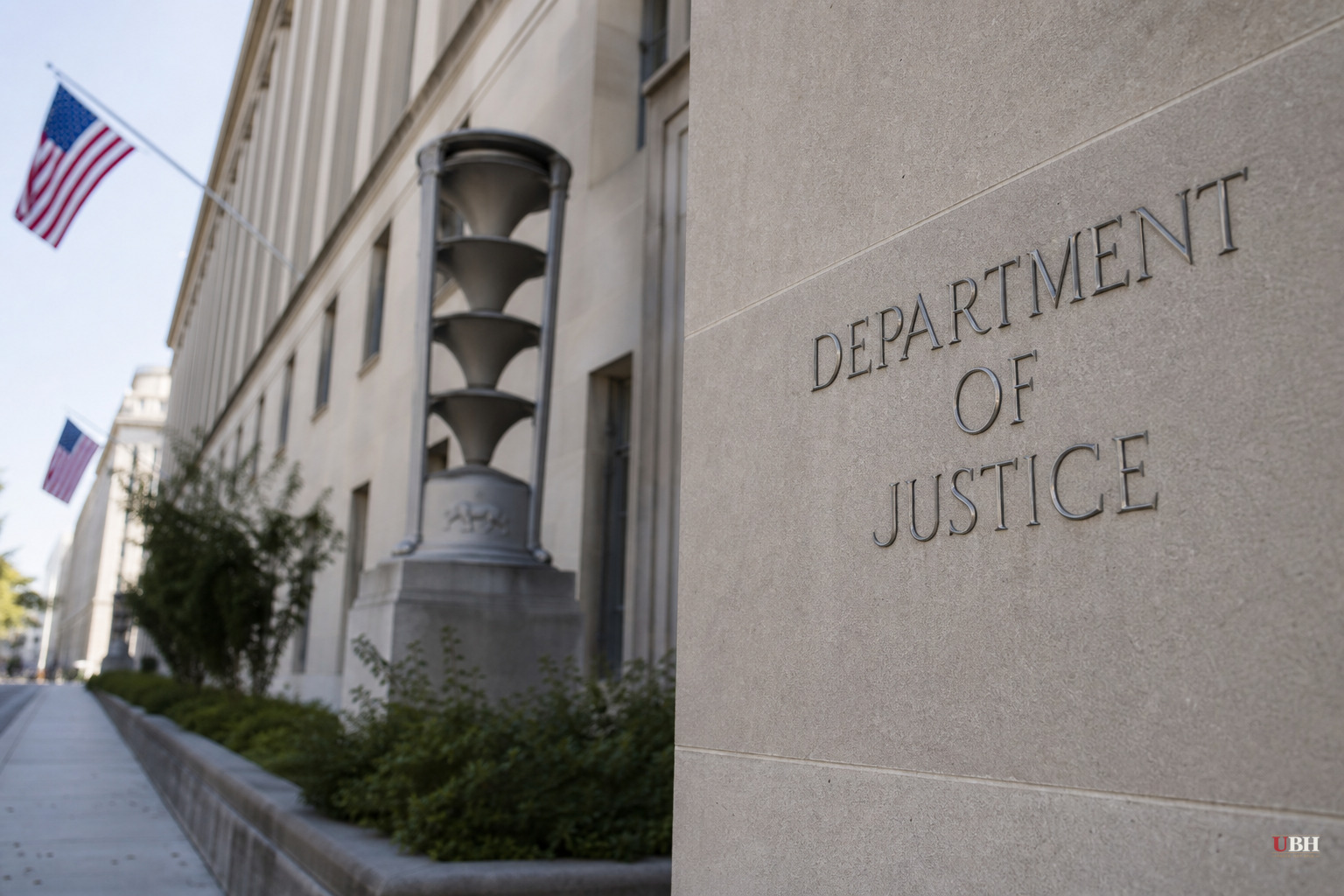
TikTok and ByteDance will pay the federal government $400 million to end a lawsuit accusing the platform of illegally vacuuming up data from children under 13, the Department of Justice announced Friday. It's one of the largest settlements ever obtained in a case brought under the Children's Online Privacy Protection Act, according to the DOJ.
The lawsuit dates back to August 2024, filed under the Biden administration. Prosecutors alleged TikTok let millions of kids under 13 create regular accounts, post videos, message with adults, and had their personal data collected and used for targeted advertising, all without parental consent, according to the DOJ and the Guardian. The suit also claimed TikTok routinely ignored parents who asked to have their children's accounts and data deleted.
This wasn't TikTok's first brush with COPPA. Back in 2019, its predecessor app Musical.ly paid $5.7 million to settle nearly identical allegations and agreed to get parental consent for underage users going forward. The 2024 lawsuit alleged TikTok kept violating that same consent decree for years afterward.
Under Friday's settlement, TikTok pays $300 million immediately. The remaining $100 million comes due once a court formally vacates that 2019 consent decree, according to the DOJ, the Verge, and Engadget.
Associate Attorney General Stanley Woodward called it "a major victory for American children and parents." Assistant Attorney General Brett Shumate said children and parents "are better protected today than they were when this case began."
TikTok doesn't admit any wrongdoing as part of the deal, according to TechCrunch, which first saw the news reported by Axios. The DOJ says TikTok has since overhauled its age-verification systems, expanded parental controls, and trained "hundreds of personnel" in underage moderation, deleting tens of thousands of underage accounts as a result, according to a court filing cited by the Guardian.
The China angle matters here. The lawsuit predates last year's restructuring of TikTok's U.S. operations. In January, ByteDance finalized a deal creating a new joint venture, TikTok USDS, majority-owned by American investors including Oracle, Silver Lake and MGX. ByteDance kept roughly a 19-20% stake, depending on the source (the BBC says 19%, Engadget says 19.9%). The settlement itself, however, is with ByteDance's original China-based entity and Musical.ly, not the new American joint venture, per the BBC.
The $400 million penalty covers conduct that happened before the ownership split Congress and President Trump pushed for. Whether the new, majority-American-owned TikTok actually behaves differently going forward is a separate question the settlement doesn't answer. It only says the DOJ believes changes have already been made.
TikTok isn't alone in this fight. Google's YouTube paid $170 million for COPPA violations in 2019. Epic Games paid $275 million in 2022. And Meta is currently in far deeper trouble: a jury trial began this week in a lawsuit brought by attorneys general from 29 states accusing Facebook and Instagram of deliberately targeting child users and profiting from it, with potential penalties that could run into the hundreds of billions of dollars, according to the BBC.
The timing here raises questions. Just days before this settlement, Bloomberg reported that TikTok deliberately disabled an algorithmic safeguard designed to limit harmful content exposure for roughly 10% of U.S. users, as part of an internal experiment, according to TechCrunch. That report drew a bipartisan letter from Sen. Marsha Blackburn (R-TN) and Sen. Richard Blumenthal (D-CT) demanding answers from TikTok CEO Shou Chew and U.S. business chief Adam Presser.
One could look at that timing and ask whether TikTok is genuinely committed to child safety or just checking legal boxes fast enough to keep operating in the U.S. TikTok did not respond to requests for comment from the BBC, the Guardian, Al Jazeera, or Engadget on the settlement itself.
The DOJ's framing, that TikTok has made "significant changes" and that the settlement "brings this matter to a successful conclusion," is the government's own characterization, not an independent audit. No admission of guilt means no legal finding that TikTok actually broke the law, just an agreement to pay up and move on.
What happens next: the $100 million second payment hinges on a federal court formally vacating the 2019 FTC consent decree, a step that hasn't happened yet. And the Blackburn-Blumenthal letter on the disabled safety algorithm remains unanswered publicly, leaving open whether Congress will push for further scrutiny of TikTok's internal experiments on teen users even after this settlement closes the books on the older case.
Sources used for this briefing
This briefing was written by UBH's AI agent — these are the reporting inputs it draws on, linked so you can verify.


