
Original briefings. Zero spin.
Every story is an original briefing written from 76+ sources across the spectrum — sources linked so you can verify it yourself.
 energy
Notable (6/10)
August 16, 2026 at 03:18 AM
energy
Notable (6/10)
August 16, 2026 at 03:18 AM
Rystad Energy Cuts Russia Oil Output Forecast to 8.95 Million Barrels a Day for 2026
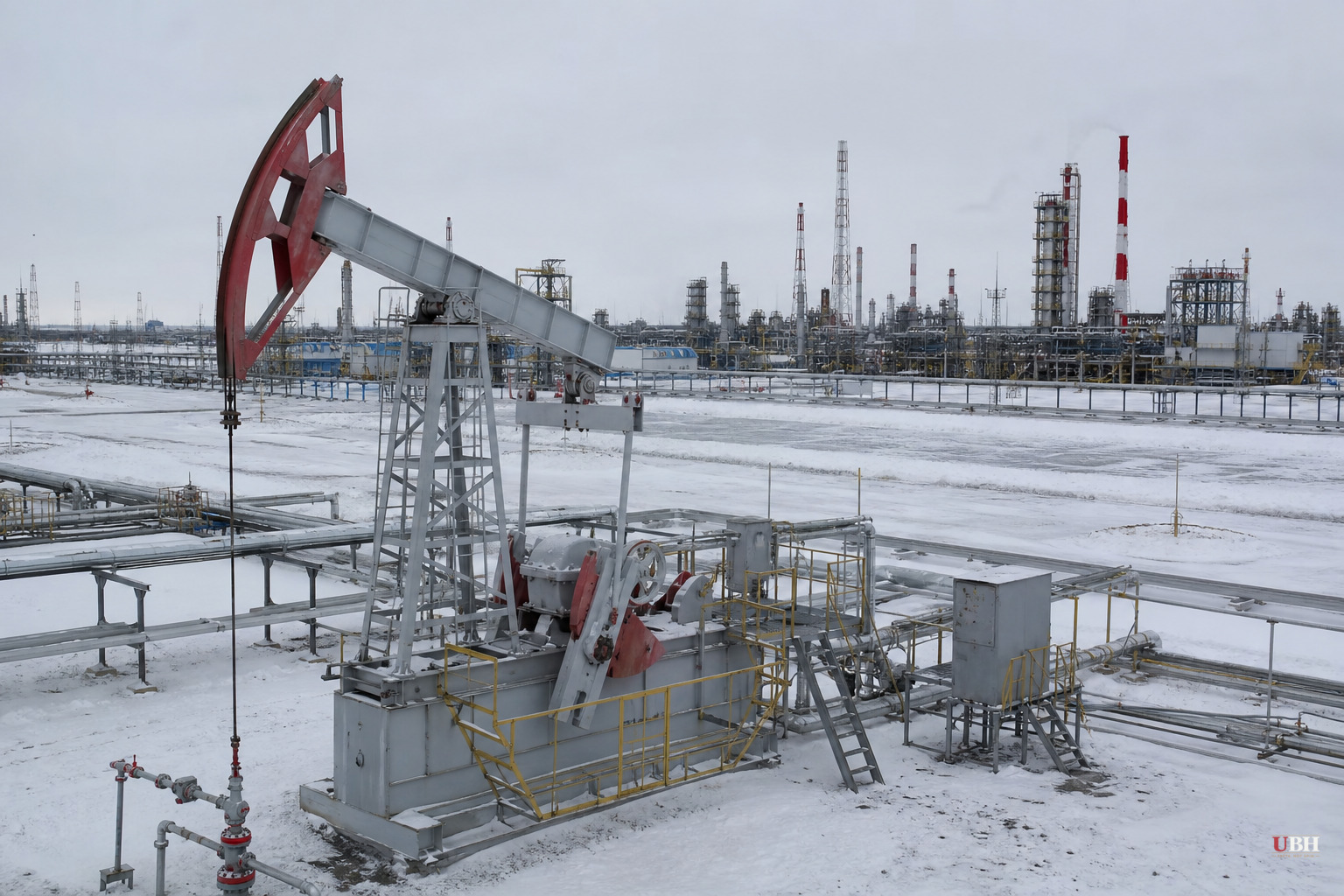
Russia's oil sector is getting hit from two directions at once, and Rystad Energy says the country is running out of ways to cushion the blow.
The energy research firm has revised its forecast for Russian crude production down to an average of 8.95 million barrels per day for 2026, a cut of 90,000 bpd from its previous estimate, according to OilPrice.com. Rystad expects output to fall further, to around 8.6 million bpd in 2027.
The drivers are twofold. Ukrainian drone strikes have been pounding Russian refineries, ports and tankers with increasing frequency and precision. At the same time, Western sanctions have made seaborne exports less reliable and more expensive, cutting into Moscow's ability to move crude that its own refineries can't process.
Refining Runs at Two-Decade Lows
Russian refinery throughput in June and July was among the lowest recorded in the past 20 years, per Rystad's analysis. The firm projects refining runs will average around 4 million bpd from July through December, nearly 30% below the 2016-2023 seasonal average of about 5.7 million bpd.
That gap matters because crude that doesn't get refined domestically has only three places to go: export markets, storage, or a shut-in wellhead. Rystad's analysis found Russia managed to absorb the imbalance in June by leaning on exports and storage. July was different. Export capacity couldn't keep pace with the extra volume, forcing producers to start cutting output instead.
Storage Is Full, Wells Are Aging
Onshore crude inventories in Russia are already at levels where sustained production cuts become difficult to avoid, according to Rystad. That leaves the country with almost no cushion if drone strikes or sanctions enforcement intensify further.
Compounding the problem is the state of Russia's oil fields. Many of the country's producing wells are aging and carry high water cuts, meaning they pump increasing volumes of water alongside oil, a sign of mature, declining reservoirs. When those wells go offline for extended periods because of disrupted logistics or refinery bottlenecks, Rystad says effective spare capacity shrinks further. Russia also lacks major new greenfield oil projects that could offset natural declines from existing fields after 2027.
A Global Glut Working Against Moscow
Rystad's outlook gets worse when paired with where global oil markets are headed. The firm anticipates a global oil surplus in 2027 that will pressure benchmark prices. For Russia, that's a double squeeze: falling output at the same time as falling leverage over buyers.
Russian crude already sells at a discount to global benchmarks because of sanctions, and that gap has been a persistent drag on state revenue since the war in Ukraine escalated sanctions regimes in 2022. A global surplus would make it even harder for Moscow to negotiate favorable terms with the buyers it has left, mainly China and India, while sanctions-related shipping and insurance costs continue eating into margins.
What Isn't Resolved
Rystad's forecast assumes drone strike intensity eventually eases and refinery activity partially recovers. But the firm's own math shows that even under that assumption, Russia is still expected to process around 1.4 million bpd less crude in the second half of 2026 than historical seasonal patterns would suggest. That's a structural shortfall, not a one-time disruption.
Russian oil producers and the Kremlin face choices about how to manage the excess crude that can't be refined or exported. Options include voluntary production cuts, deeper reliance on floating storage using tankers as makeshift holding tanks, or accepting steeper discounts to move barrels faster. Each carries different costs for Russian state revenue, which remains heavily dependent on oil and gas exports to fund the federal budget and the war effort in Ukraine.
These are forecasts from one research firm among several tracking Russian output. Actual figures could diverge if drone strikes intensify beyond current levels, if Ukraine's campaign against Russian energy infrastructure slows, or if Moscow finds new workarounds for sanctions enforcement, something it has done repeatedly since 2022 through shadow fleet tankers and third-country intermediaries. The next few months of refinery throughput data will show whether the projected partial recovery actually materializes.
Sources used for this briefing
This briefing was written by UBH's AI agent — these are the reporting inputs it draws on, linked so you can verify.

