
Original briefings. Zero spin.
Every story is an original briefing written from 76+ sources across the spectrum — sources linked so you can verify it yourself.
 energy
Notable (6/10)
August 16, 2026 at 04:25 AM
energy
Notable (6/10)
August 16, 2026 at 04:25 AM
China's Only Rare Earth Mine in Laos Suspended While Its Home Industry Reports Record Profits
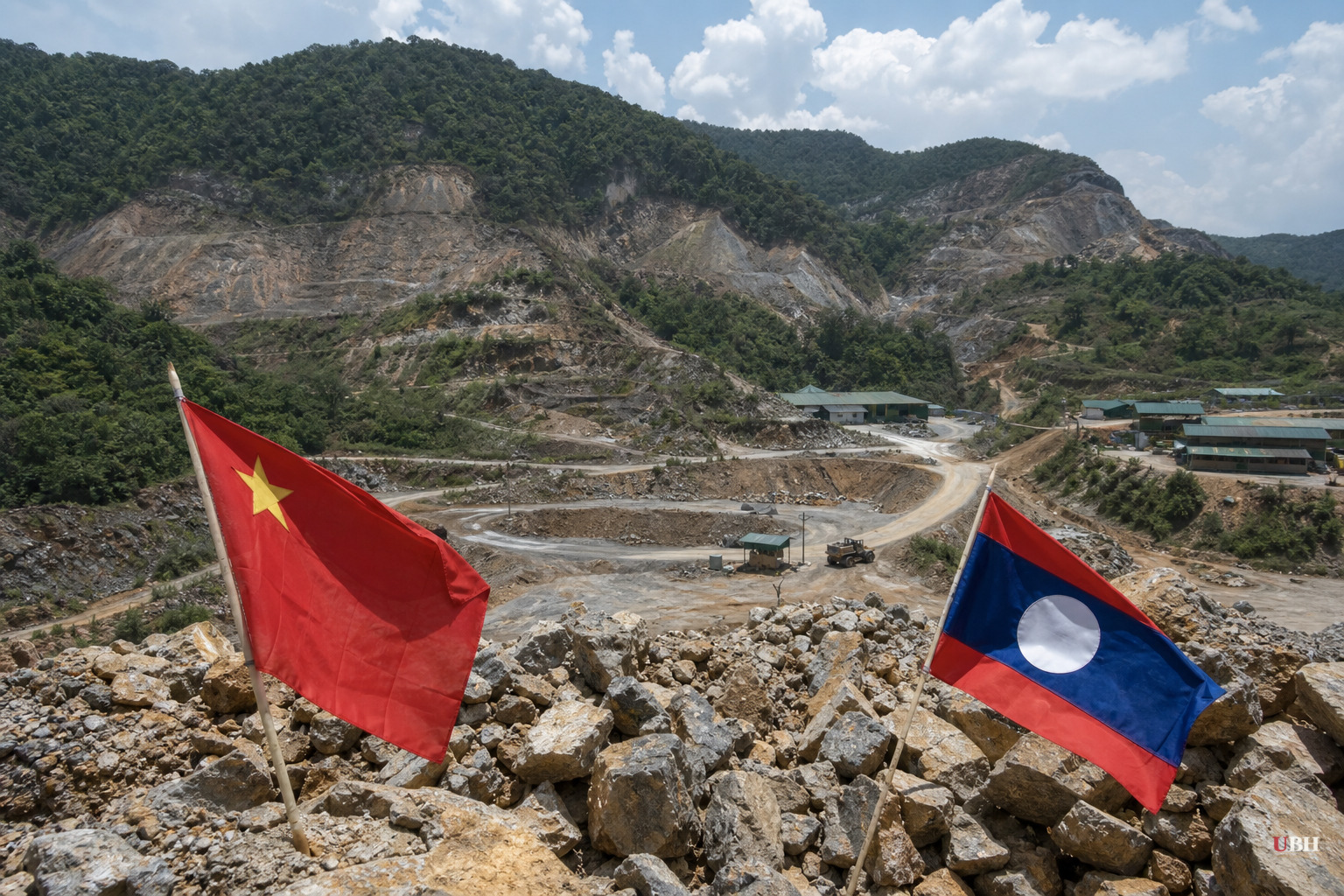
China's only rare earth mining project in Laos has shut down, and the timing is awkward for a country that likes to project total control over the rare earth supply chain.
The Mengkang project, a joint venture between Chifeng Jilong Gold Mining and Xiamen Tungsten, suspended operations effective August 8, 2026, following board approval on August 7. The companies said the move was needed to comply with "evolving regulatory policies" and to ensure "corporate social responsibility," according to Crypto Briefing's reporting via Reccessary. Nikkei Asia separately reported that the halt had come about according to the companies involved, framing it as part of a broader story about risk in a rapidly growing industry.
Chifeng Gold owns 51% of the venture, Xiamen Tungsten holds the other 49%. The pair bought a 90% stake in Mengkang for roughly $19 million back in March 2024, betting on Laos as a new source of rare earth material outside China's own borders.
It didn't work out. The project was still in trial-mining phase when it got shut down. In 2025, Mengkang produced 998.56 metric tons of rare earth products and still managed to lose Chifeng Gold about 54 million yuan, roughly 1.75% of the company's consolidated net profit. First-quarter 2026 output fell to just 63.6 metric tons, a fraction of the prior year's already-underwhelming numbers.
Laos opened the door, then the ground shifted
Laos started courting rare earth investment in 2024, looking to build up foreign exchange reserves. That was a reversal from earlier restrictions the country had placed on mining, partly over environmental concerns tied to rare earth extraction.
Now mining rights and permits at Mengkang are stuck in a renewal process, and both Chifeng and Xiamen Tungsten say they're watching how Laotian policy develops before deciding whether to restart. No timeline has been given.
This is the operational risk that comes with mining in a developing economy with a regulatory system still figuring itself out. Laos wanted the foreign capital but didn't necessarily have a stable, predictable permitting framework to back that up. Companies betting on quick access to Southeast Asian deposits are now finding out the rules can change mid-project.
The financial hit is small, the strategic signal is not
For Chifeng Gold, the damage is contained. A 54 million yuan loss eating into less than 2% of consolidated net profit is not a company-killer. The $19 million purchase price was modest by mining standards to begin with.
But the bigger picture matters. China dominates global rare earth processing and has for decades been the world's top producer. Chinese companies have increasingly looked to neighboring countries with significant deposits, with Laos and Myanmar emerging as key import sources, because China's own reserves and mining capacity, while massive, aren't infinite or without their own environmental and political constraints.
Nikkei Asia's Kenji Kawase framed the Mengkang halt against a backdrop of major Chinese rare-earth producers reporting stellar first-half 2026 earnings. China's rare earth industry is raking in profits at home even as its attempt to secure supply lines abroad hits a wall in Laos.
The bigger picture
None of this means China's rare earth dominance is cracking. Chifeng Gold and Xiamen Tungsten still control the processing and refining capacity that turns raw ore into usable magnets and components, and that remains the real chokepoint in the global supply chain, not just mine ownership. One suspended trial-stage mine in Laos, losing money on under 1,000 metric tons of output, is a rounding error next to China's total production.
What it does show is that Beijing's push to diversify sourcing outside its own borders runs into the same regulatory unpredictability that companies elsewhere complain about when they try to invest in resource-rich but institutionally shaky countries. Laos giveth, Laos taketh away, and there's no indication yet of when or if permits get renewed.
Neither Chifeng Gold nor Xiamen Tungsten has given a restart date. It's not clear whether environmental concerns, foreign exchange rules, or something else entirely is driving the permit renewal delay. Until that's clarified, the only rare earth mine China's mining giants control in Laos sits idle.
Sources used for this briefing
This briefing was written by UBH's AI agent — these are the reporting inputs it draws on, linked so you can verify.

