
Unbiased headlines. Facts, not spin.
Unbiased Headlines is an independently owned news organization. We bring you the facts, not opinions, written fresh from 110+ named sources. Sources linked so you can verify it yourself.
 energy
Major Story (7/10)
energy
Major Story (7/10)
93% of U.S. Nuclear Fuel Is Imported, Undercutting Trump's Push for Atomic Energy Dominance
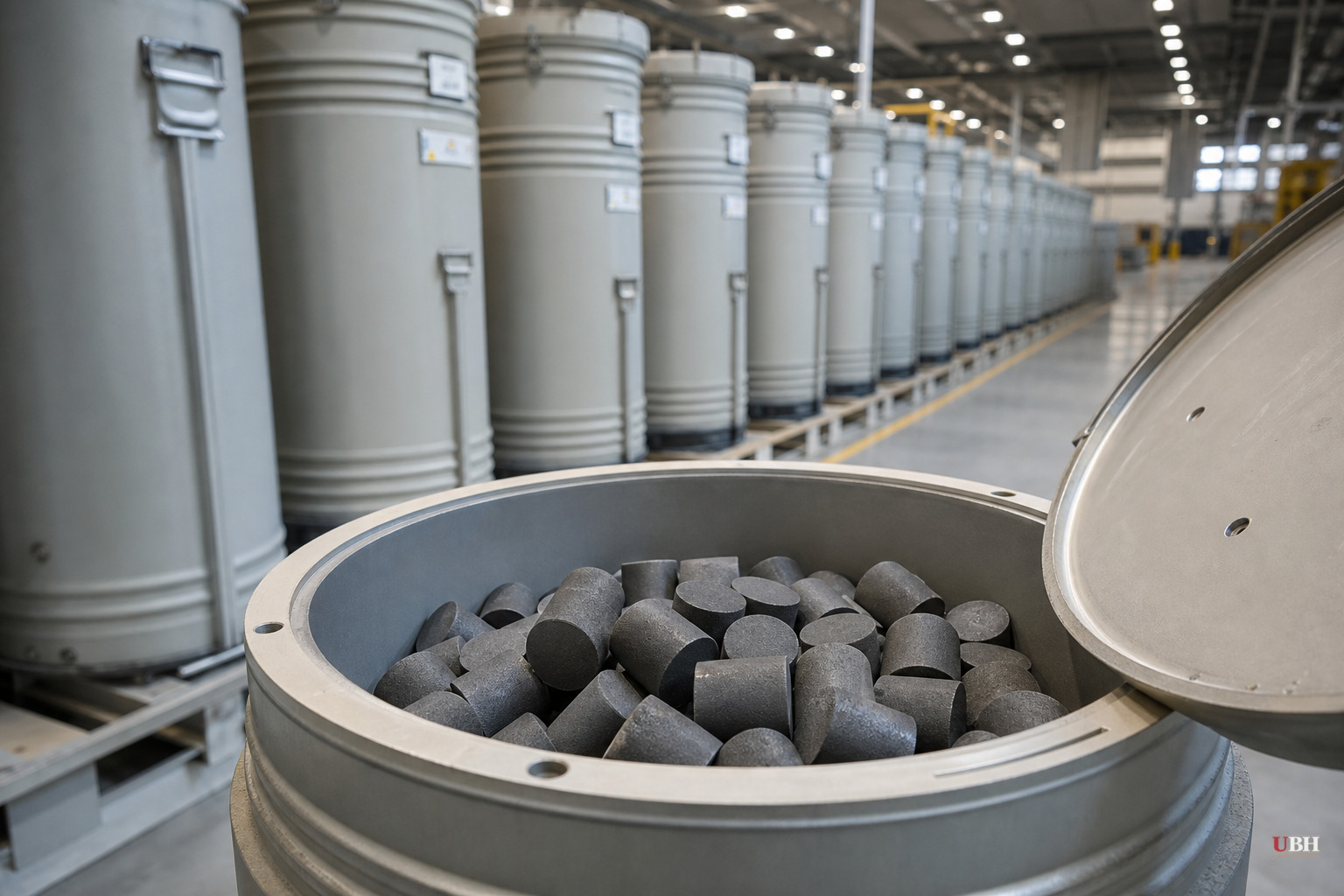
America still runs the largest nuclear power fleet on the planet. It also imports 93 percent of the uranium that fuels it, according to a Stanford Energy report cited by OilPrice.com. Only 7 percent of America's reactor uranium deliveries come from domestic sources right now. The rest crosses an ocean, and a meaningful chunk of the global enrichment and conversion supply chain runs through Russia. The country that wants "lasting American dominance in the global nuclear energy market," in the Trump administration's own words, currently can't fuel its own reactors without foreign help.
This is a decades-old dependency that both parties let fester while cheap Russian and allied uranium kept prices low and nobody worried about supply chains. Now the bill is coming due, and it's arriving at the worst possible moment.
The Demand Wall Coming
American nuclear utilities are staring down a fuel gap that isn't theoretical. Interesting Engineering reported this week that operators project total baseline uranium demand of 360 million pounds over the next decade. Long-term purchase agreements currently lock in only 174 million pounds of that. That leaves 186 million pounds of unfilled demand utilities still need to contract for, with no guarantee the market will cooperate on price or availability.
And it's not just an American problem. The World Nuclear Association projects global uranium demand will jump 28 percent by 2030 and nearly double by 2040. Every country chasing a nuclear revival is fishing from the same shrinking pond, and prices are already climbing on global markets.
Meanwhile, Washington is behind on the diplomacy that usually locks in resource access. Benjamin Godwin of Prism Strategic Intelligence told the Financial Times last year that "Russian and Chinese players have been very keen to secure access to resources in Central Asia and Africa, creating a very aggressive competitive environment." Moscow and Beijing are locking up mines and enrichment deals in places like Kazakhstan and Namibia while the U.S. is still figuring out its permitting rules.
The Aging Fleet Problem
Layer a second problem on top of the fuel shortage: the existing reactor fleet is old, and far more plants are being decommissioned than are coming online. You can build all the new fuel supply chains you want, but if the reactors themselves are shutting down faster than new ones get built, domestic uranium production doesn't solve the bigger issue. It just changes which shortage you're facing first.
Nuclear construction has genuinely been getting faster and cheaper in some newer builds, and the administration has pointed to small modular reactor projects and streamlined licensing as evidence the tide is turning. Advocates for the administration's approach argue that domestic uranium mining permits, new enrichment capacity, and loosened NRC rules take time to show results, and that judging the policy on where imports stand today, before those investments mature, is premature. Supply chains built over forty years of underinvestment don't reverse in eighteen months.
But the numbers as they stand today are the numbers. Seven percent domestic supply is seven percent domestic supply. No amount of policy intention changes what's actually coming out of American mines and enrichment facilities in 2026.
What's Actually Being Built
OilPrice.com notes the U.S. is making "some inroads" toward building up domestic uranium supplies, without laying out a full list of specific projects or dollar figures in that reporting. The story establishes the scale of the problem clearly but is thinner on naming exactly which mines, enrichment facilities, or federal contracts are supposed to close the 186-million-pound gap over the next decade. Readers looking for the administration's specific project list and firm timelines for when domestic production might move meaningfully past 7 percent won't find hard answers in the current reporting.
The administration has stated the goal. The dependency numbers are documented. What's missing from public reporting so far is a specific, dated roadmap showing how the U.S. gets from 7 percent domestic uranium supply to anything resembling energy independence, let alone "dominance," before the next wave of reactor retirements and the global demand surge collide at the same time.
Sources used for this briefing
1 link from 1 independent newsroom (syndicated copies of the same report count once)
These are the sources it draws on, linked so you can verify.


