
Original briefings. Zero spin.
Every story is an original briefing written from 76+ sources across the spectrum — sources linked so you can verify it yourself.
 energy
Notable (5/10)
August 16, 2026 at 01:57 AM
energy
Notable (5/10)
August 16, 2026 at 01:57 AM
Electric Planes Are Flying. Jet Fuel Isn't Going Anywhere Soon.
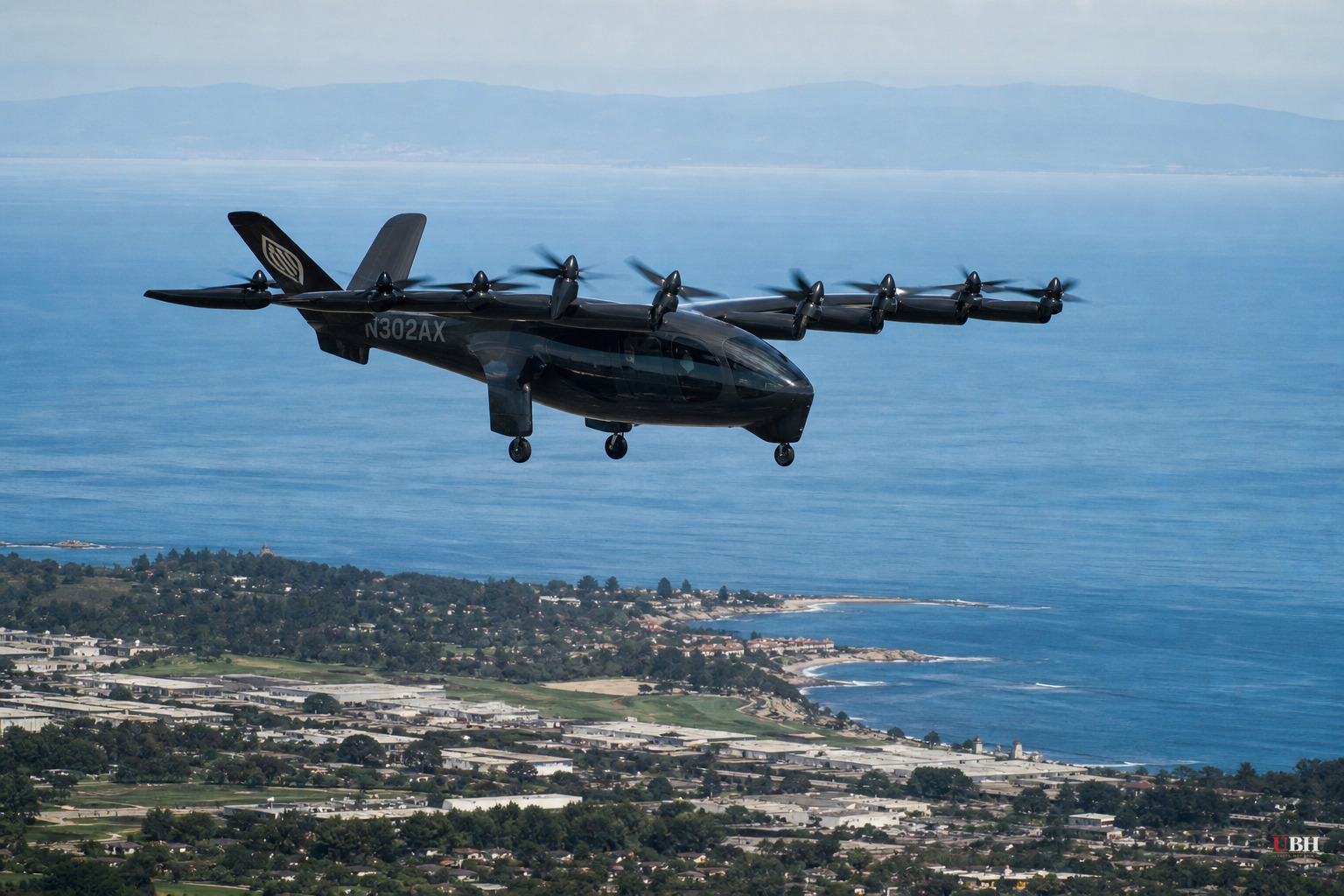
Electric planes are real now. That doesn't mean jet fuel is in trouble.
On July 30, Archer Aviation flew its all-electric Midnight aircraft from Salinas to Monterey and back, a roughly nine-minute hop each way, according to OilPrice.com. It was piloted and coordinated, not an autonomous air-taxi demo. Archer is still working through FAA certification, and its partners are operating under the agency's eVTOL Integration Pilot Program. This was a test flight, not a commercial launch.
Electric aviation has quietly moved from science project to certified hardware. EASA type-certified the Pipistrel Velis Electro, a two-seat electric trainer, back in 2020, per OilPrice.com. In 2025 EASA certified Safran's ENGINeUS 100, an electric motor platform meant to scale up to aircraft carrying as many as 19 passengers. Heart Aerospace is developing a 30-seat electric regional aircraft, the ES-30, claiming a 200-kilometer all-electric range, with type certification targeted for 2031.
None of these aircraft are built to replace a Boeing 787. They don't need to. Road transport didn't electrify all at once either. Buses, passenger cars, and now trucks converted as battery economics made sense for each specific job. Aviation looks set to follow the same uneven path: training flights, short cargo runs, island hops, air taxis, and short regional routes are the logical early adopters because the energy requirements are bounded and the aircraft return to known infrastructure.
The Efficiency Argument Is Real
Electric propulsion isn't just cleaner, it's mechanically simpler and startlingly efficient. NASA is developing electric aviation propulsion systems with efficiency above 98%, according to OilPrice.com. Fewer moving combustion parts means less maintenance overhead and, in theory, lower operating costs once the technology scales.
There's also an energy-security angle that's gaining traction. Electric aircraft can run on locally generated power instead of a globally traded, often imported refined oil product. For a country worried about supply chain shocks, that's not a small selling point.
The Bigger Picture: Jet Fuel Demand Is Still Climbing
Jet fuel demand isn't shrinking. It's projected to grow. Kristi Moriarty, a senior researcher at the National Renewable Energy Laboratory (NREL), said demand is expected to rise "from just over 100 billion gallons in 2025 to 165 billion gallons by 2050," according to research funded by NASA and reported by CleanTechnica.
Battery-powered short hops are interesting and genuinely disruptive at the margins. But the aviation industry as a whole is planning for massively more fuel consumption, not less, over the next 25 years.
The NREL study, titled "An Overview of Potential Future Aviation Energy Carriers," looked at five alternatives to standard Jet A and A-1 fuel: sustainable aviation fuel (SAF), liquid hydrogen, liquefied natural gas, liquefied ethane, and something called Jet X. Of those, only SAF is commercially available today, and it can replace up to 50% of the Jet A required by conventional aircraft, according to CleanTechnica.
But SAF has been available since 2016 and still makes up just 1% of jet fuel used worldwide. Why? Price and infrastructure. SAF has rarely dropped below $6 a gallon, and the number of biorefineries capable of producing it at scale remains limited, CleanTechnica reported.
Two Different Problems, Two Different Timelines
Electric aircraft and alternative liquid fuels are solving different problems on different timelines. Batteries can realistically take over short regional routes, training flights, and eVTOL urban transport within the next five to ten years, following the certification path Pipistrel, Safran, and Heart Aerospace are already on.
Liquid alternatives like SAF, hydrogen, or Jet X are aimed at the harder problem: long-haul, high-payload commercial routes where battery weight makes electric propulsion physically impractical with current technology. Those routes make up the overwhelming majority of the 104 billion gallons of jet fuel airlines will burn this year.
Neither source claims electric aviation threatens the oil majors' core aviation business anytime soon. OilPrice.com's framing, that batteries could "take the best routes first," is a warning about market share erosion at the edges, not a forecast of jet fuel's collapse. CleanTechnica's framing, driven by NREL's Moriarty, is about supply chain resilience and domestic production, not emissions politics.
The open question is timing. Heart Aerospace isn't targeting certification for its 30-seat electric aircraft until 2031. SAF has had a decade to scale and still sits at 1% of global usage. Whether either the electric-short-haul path or the alternative-liquid-fuel path can move fast enough to matter before 2050, when NREL projects jet fuel demand will hit 165 billion gallons, remains unanswered by either report.
Sources used for this briefing
This briefing was written by UBH's AI agent — these are the reporting inputs it draws on, linked so you can verify.

