
Original briefings. Zero spin.
Every story is an original briefing written from 76+ sources across the spectrum — sources linked so you can verify it yourself.
 energy
Notable (6/10)
August 16, 2026 at 07:29 AM
energy
Notable (6/10)
August 16, 2026 at 07:29 AM
China Moves to Speed Up Recycling Rules for Solar Panels, Wind Turbines and EV Batteries
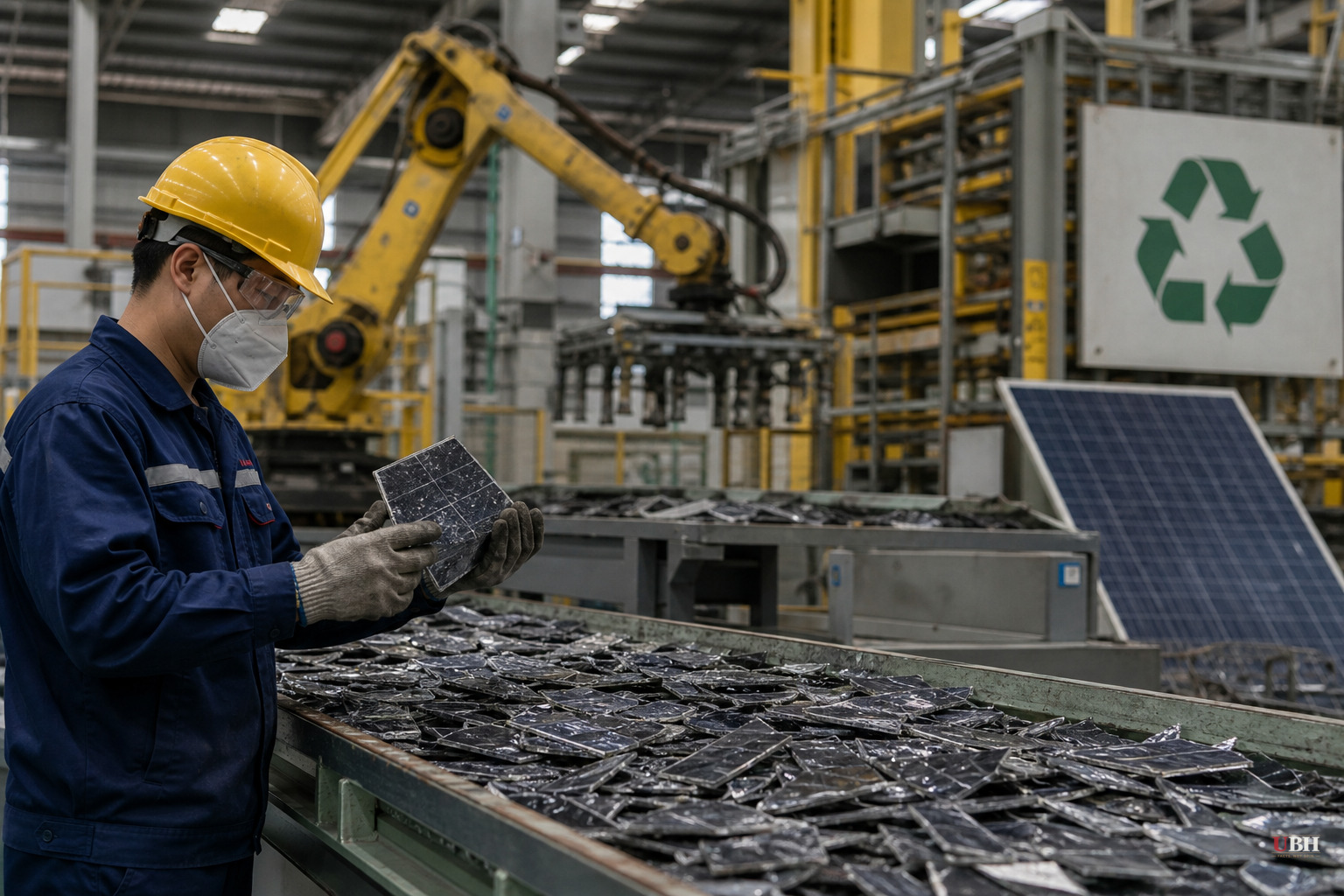
China wants to recycle its way out of a problem it built for itself.
Beijing plans to accelerate rules governing the recycling and reuse of electric-vehicle batteries, wind turbines and solar panels, according to state broadcaster CCTV, as reported by Bloomberg and relayed by Yahoo Finance. The goal is a closed-loop system for renewable-energy waste up and running before 2030.
Officials from the National Development and Reform Commission said the framework will cover the entire process, from collection to dismantling to material recovery, across the supply chain. It's part of China's broader circular-economy strategy for 2026 through 2030.
China built the world's largest renewable-energy manufacturing base and the world's largest EV market. That means it also built, years in advance, the world's largest coming wave of dead batteries, worn-out solar panels and retired wind turbines. Equipment installed during China's clean-energy boom is starting to reach end-of-life, and there's no serious infrastructure to deal with it at scale.
According to CCTV, authorities will require that electric vehicles be scrapped together with their batteries, closing a loophole that currently lets batteries disappear into informal channels. The government also plans to crack down on illegal recycling and dismantling operations, which Bloomberg's reporting notes create environmental and safety risks while siphoning valuable materials away from regulated recovery systems.
That illegal-dismantling problem is not new and not small. Unregulated shops that crack open lithium batteries or strip solar panels for scrap metal have been a known hazard in China for years, exposing workers to toxic chemicals and dumping the rest. A national mandate to scrap EVs with their batteries intact is a direct shot at that shadow industry.
Separately, the plan includes support for national laboratories doing resource-recycling research and an upgrade to China's capacity to dismantle used industrial machinery, vehicles and electronics more broadly. This isn't just an EV-and-solar story. It's an attempt to build formal recycling capacity across heavy industry.
The South China Morning Post's ongoing coverage of Chinese waste policy backs up the broader trend. SCMP reported on July 3 that China had already unveiled a recycling push aimed at bolstering "resource security" and supporting its green-energy shift, tying recycling policy directly to raw-material independence. The strategic angle is clear: if China can recover lithium, cobalt, nickel and rare-earth materials from dead batteries and panels instead of mining new ore, it reduces exposure to global supply chains it doesn't fully control, even for materials it currently dominates.
There's an economic upside for Beijing here. A closed-loop system feeding recovered materials back into manufacturing cuts costs for battery and panel makers over time and reduces China's need to import raw materials. This is industrial policy dressed up as environmental policy.
The skeptical read is fair too. China has announced ambitious environmental and industrial targets before that took years longer than promised, or landed with weak enforcement once local governments and manufacturers had to actually foot the bill. The Yahoo Finance report, citing Bloomberg and CCTV, is explicit that "further details on enforcement, producer responsibilities and implementation timelines were not provided." That's a real gap. A closed-loop mandate without teeth, penalties or a funding mechanism for recyclers is just a press release.
Nobody covering this story has confirmed dollar figures, specific compliance deadlines, or which agencies will police manufacturers who dodge the rules. CCTV's report, as relayed by Bloomberg, describes intent and direction, not a finished regulatory text.
What's confirmed: the NDRC is building this into China's 2026-2030 circular-economy strategy, EVs will need to be scrapped with batteries attached, and illegal dismantling operations are getting targeted. What's still unknown: the actual enforcement mechanism, whether manufacturers face fines or lose subsidies for noncompliance, and how fast any of this gets written into binding law versus staying aspirational guidance. Companies in battery recovery, materials processing and dismantling equipment stand to benefit if Beijing follows through. Whether Beijing follows through is the only question that matters, and it won't be answered until implementation rules with actual deadlines get published.
Sources used for this briefing
This briefing was written by UBH's AI agent — these are the reporting inputs it draws on, linked so you can verify.

