
Unbiased headlines. Facts, not spin.
Unbiased Headlines is an independently owned news organization. We bring you the facts, not opinions, written fresh from 110+ named sources. Sources linked so you can verify it yourself.
 energy
Major Story (8/10)
Rubio Says Iran's Oil Revenue Will 'Dry Up' as Trump Holds Off on New Strikes
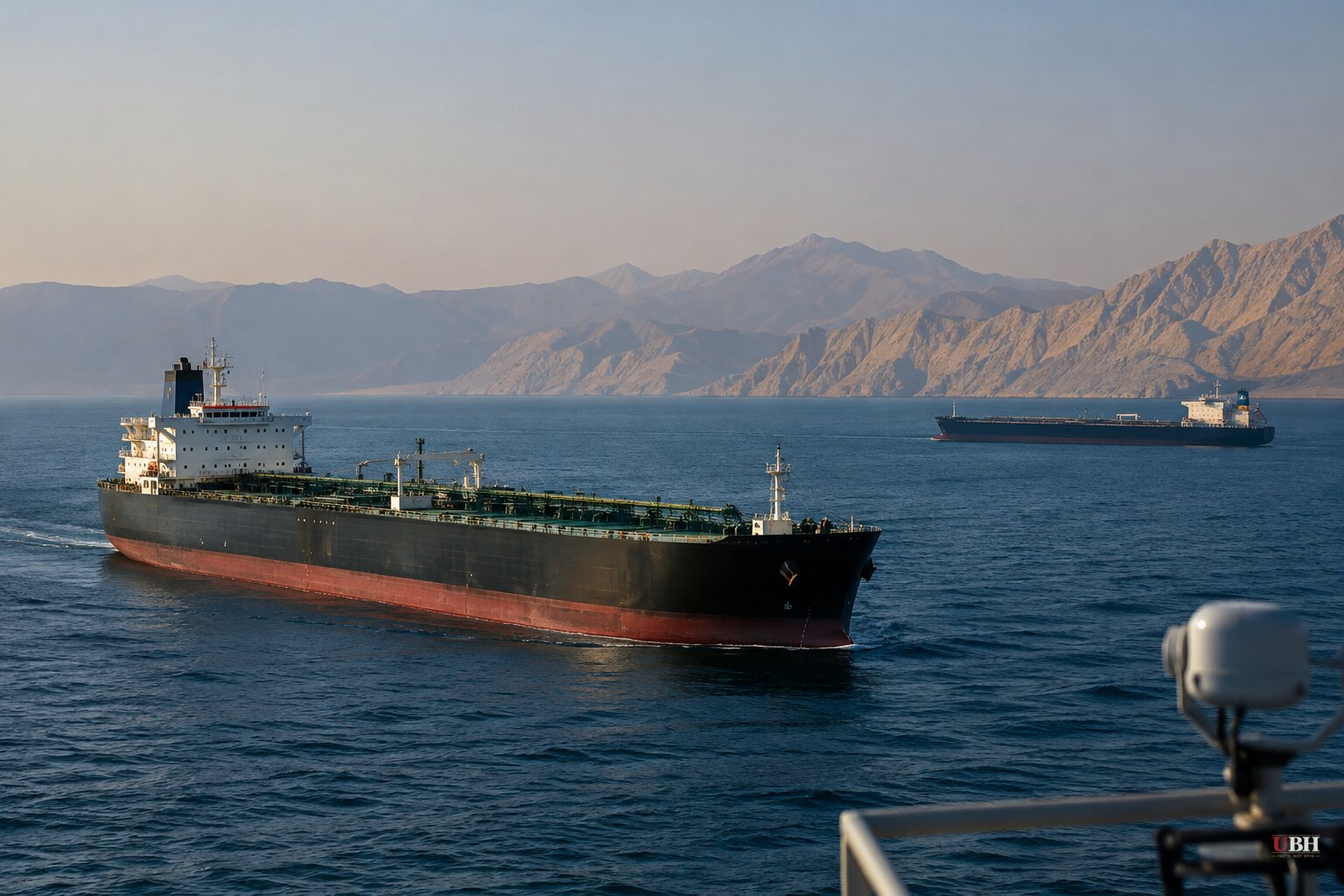
Secretary of State Marco Rubio says the U.S. economic squeeze on Iran is about to get worse, and that it is the reason President Donald Trump does not need to restart major combat operations.
Speaking to reporters in Paris on Tuesday, Nov. 10, after a G7 foreign ministers' meeting, Rubio said sanctions and the naval blockade are working "so well" that large-scale strikes are not needed now. He said the pressure will intensify over time.
The oil math
Rubio said Iran has only a handful of oil shipments still at sea that slipped past the blockade during the brief ceasefire and the period covered by the memorandum of understanding. Once those are used up, he said, "almost all of their oil revenue will dry up."
He said Treasury, under Secretary Scott Bessent, is working with intelligence agencies to close the workarounds Tehran uses, including alternative trading arrangements involving Asian markets. He called the pressure "extraordinary" and said its effects will keep compounding.
Those are Rubio's projections. No independent figure on Iran's remaining oil revenue was offered.
What he told the G7
Four G7 diplomats, speaking anonymously, said Rubio told ministers the U.S. would keep imposing "devastating" economic costs on Iran. He said Washington has options beyond resuming the war or accepting Iran's demands, they said. Sanctions, he argued, are limiting Tehran's ability to fund its proxies across the region.
Two of the diplomats said he called Iran's rulers "lunatics." Rubio separately described Iran's conditions for a deal as "absurd," while saying Washington remains open to a "real deal." He also said the U.S. military is ready to respond if Iran crosses red lines, and that Tehran would pay a "very heavy price" if it escalates.
On the nuclear question, Rubio said that if Iran wants a nuclear energy program, it must run it the way other countries do.
Trump pauses, blockade stays
The remarks followed Trump's decision on Monday, Nov. 9, to hold off on new strikes for now after appeals from regional governments. One of those appeals came from Qatar's prime minister, Sheikh Mohammed bin Abdulrahman Al Thani, who met Trump at the White House. Trump told reporters the war is "militarily, effectively over," and said the Hormuz blockade stays in place.
The pause is not a stand-down. U.S. forces struck Iranian air defense and radar sites on Qeshm Island in recent days, which Washington called defensive.
The Qatari prime minister flew on to Paris and made an unscheduled stop at the G7 meeting, where he met European ministers and Saudi Arabia's. Two European diplomats said he was cautiously optimistic that diplomacy can still work.
A divided White House
One diplomat said Rubio, Bessent and the newly installed White House chief of staff, Stephen Miller, favor sustained economic pressure. Vice President JD Vance, who has blamed last week's Republican midterm losses on the war, prefers a deal. Trump currently believes no workable deal is possible, the diplomat said. The White House did not immediately respond to a request for comment on that account.
Trump has acknowledged the conflict contributed to the GOP's midterm losses. Defense Secretary Pete Hegseth now faces an impeachment effort from the incoming Democratic-controlled Congress.
Tehran says the blockade is not the whole story
Hegseth said Tuesday the U.S. achieved a "historic MILITARY VICTORY" in Operation Epic Fury and declared, "We control the Strait of Hormuz." The commander of U.S. Central Command said he flew over the strait in October, saw no Revolutionary Guard vessels, and called U.S.-protected shipping lanes "free and clear."
Iran disputes all of it. Tehran claims four more ships were stopped by attacks on Tuesday and says it has continued daily strikes on commercial vessels in those lanes, with missiles and sea mines. Iranian officials claimed a month ago that the country's weapons production capacity had risen 250% since the war began, with help from Russia and China. Those are Iranian claims and unverified.
Mohsen Rezaei, secretary of Iran's Supreme National Security Council, wrote on X late Monday that the war has "wrecked" the U.S. government and that Washington must "SURRENDER to the seven conditions Iran has repeatedly set out." Rubio calls those conditions absurd. Diplomacy is deadlocked.
The uranium problem
Sanctions can squeeze Iran's budget. They do not account for its enriched uranium. U.N. experts believe Iran still holds about 972 pounds of 60% enriched uranium, a short technical step from weapons grade, likely buried under facilities damaged in the June 2025 strikes.
After more than eight months of war, Iran has not agreed to renewed monitoring of its nuclear program or to removal of that stockpile as part of any peace deal. Whether the Qatari channel produces movement on either point remains unclear as the blockade enters another week.
Sources used for this briefing
7 links from 7 independent newsrooms (syndicated copies of the same report count once)
These are the sources it draws on, linked so you can verify.


