
Unbiased headlines. Facts, not spin.
Every story is an unbiased news briefing written from 110+ sources across the spectrum — sources linked so you can verify it yourself.
 defense
Major Story (8/10)
July 22, 2026 at 03:11 PM
defense
Major Story (8/10)
July 22, 2026 at 03:11 PM
Rubio Accuses Iran of Flying IRGC Personnel Into Yemen as Houthis Threaten Red Sea Blockade
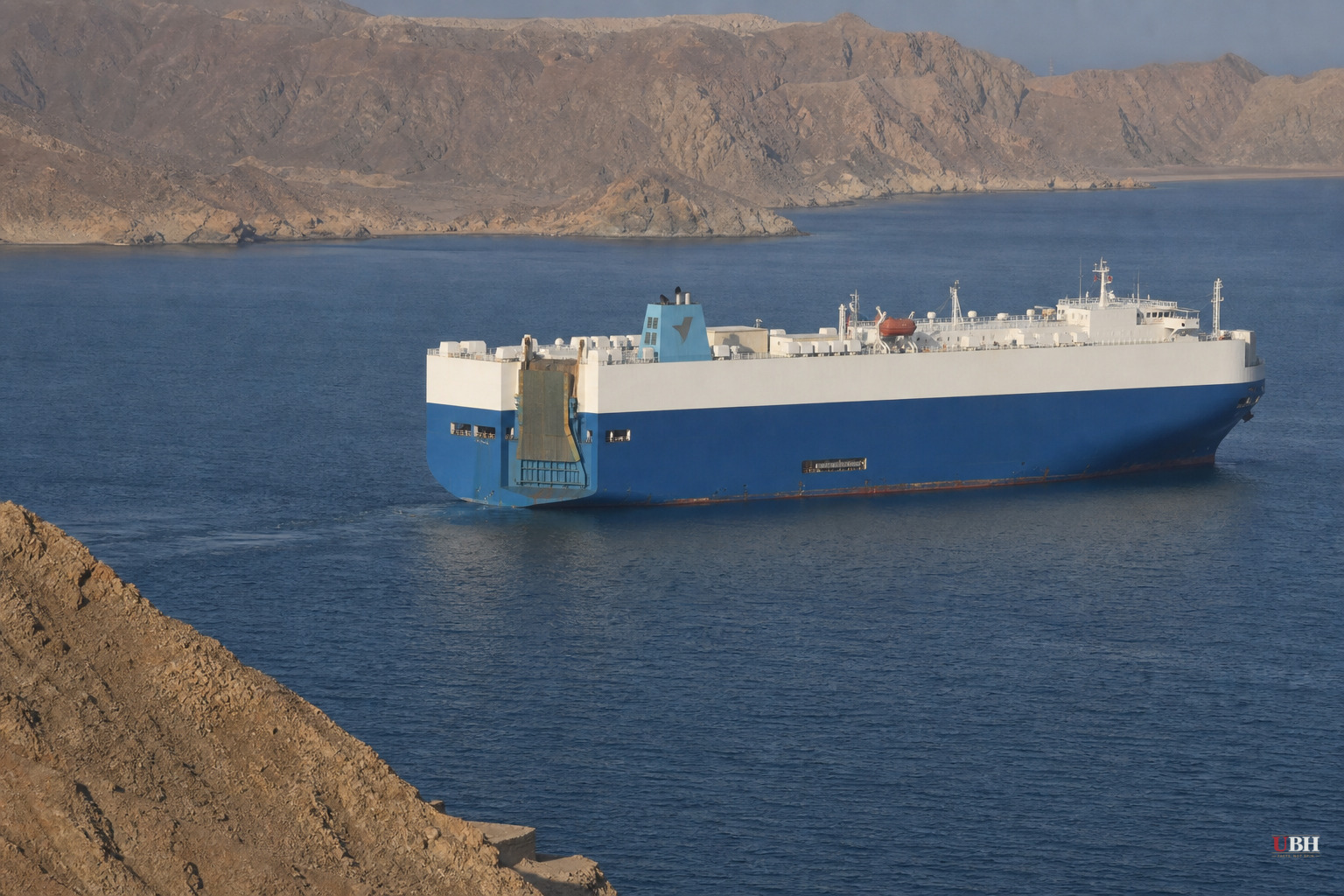
Secretary of State Marco Rubio accused Iran on Wednesday, July 22, of flying Islamic Revolutionary Guard Corps personnel into Yemen, saying the move helped spark a fresh confrontation between Saudi Arabia and Iran's Houthi proxies. "They decided to send direct flights from Tehran into Yemen, carrying IRGC elements and others into the country," Rubio told reporters. "And the Saudis responded to it." Rubio made the claim while attending the Association of Southeast Asian Nations foreign ministers' meeting in Manila, Philippines. He did not name the flights, say how many IRGC personnel were allegedly involved, or offer supporting evidence, according to Fox News. The accusation lands against a fast-moving regional escalation. The Houthis have declared a blockade targeting Saudi-linked vessels in the Bab el-Mandeb Strait, the narrow chokepoint connecting the Red Sea to the Gulf of Aden. Roughly 12% of global trade and about a quarter of the world's container traffic normally move through that corridor, according to Radio Station WHMI. The Houthis say they are retaliating for Saudi restrictions on Yemen and for a strike on the airport in Sanaa, the Houthi-controlled capital. They claim that strike was meant to stop a flight carrying Houthi leaders home from Iran. Rubio disputes that version of events, casting Tehran's flights as troop transport rather than a leadership return. Following the airport strike, the Houthis launched missiles and drones at Saudi Arabia's Abha International Airport, according to Radio Free Europe, in what RFE/RL called one of the most serious confrontations between the two sides in years. Tankers Are Already Rerouting This isn't a hypothetical threat anymore. According to Radio Free Europe, ship-tracking data from LSEG and MarineTraffic showed four oil tankers changing course in the Red Sea on July 22, a day after three tankers carrying Saudi oil to Asia reversed course as well. Saudi Arabia has been rerouting oil shipments to Red Sea ports specifically because Iran has effectively closed the Strait of Hormuz, a passage that once carried a fifth of the world's oil supply, according to Radio Free Europe. That closure followed the outbreak of a broader U.S.-Israeli war with Iran that began February 28. Rubio drew a direct line between the two chokepoints. "Anything that restricts shipping through the Red Sea would be problematic for the same reasons that the Strait of Hormuz is problematic," he said. "So we're watching that closely." The Houthis insist this blockade only targets Saudi-linked shipping. History complicates that claim. During their earlier campaign tied to the Gaza war, the group attacked more than 100 vessels, including ships with little or no connection to Israel, according to WHMI. That track record is the strongest reason to take the current threat seriously even if it's framed narrowly. Saudi Arabia's military has vowed to keep Bab el-Mandeb open and respond firmly to threats against commercial vessels. President Trump, for his part, downplayed the immediate danger Tuesday, telling reporters "so far, it hasn't happened," while warning "if there is something like that, we'll just have to take care of business." Strikes Continue, Rhetoric Escalates The Rubio accusation comes as the U.S. military carried out an 11th consecutive night of strikes against Iran, with Central Command saying targets included aircraft hangars and drone storage sites, according to Radio Free Europe. Iran has retaliated by striking U.S. military sites in the Persian Gulf region. The interim deal Washington and Tehran signed in June, meant to negotiate an end to the broader war, has effectively collapsed under the resumed fighting. Trump escalated his own warning on July 22, posting that "any time the Islamic Republic of Iran shoots at a ship in the Strait of Hormuz, whether it be by Missile, Rocket, Drone, or any other device or weapon, the United States will bomb and destroy ONE BRIDGE OR POWER PLANT, including those located next to, or in, the Capital City of Tehran." Rubio called Iran "the troublemaker" of the region in his remarks to Asian counterparts, arguing Tehran sits at the center of the widening conflict. That's Washington's read. Iran has not offered a public rebuttal to the IRGC flight claim in these accounts, and no independent verification of the alleged flights has been presented. What happens next depends largely on whether the Houthis follow through on the blockade beyond the tanker reroutes already tracked by LSEG and MarineTraffic, and whether Saudi Arabia's navy moves to physically contest Houthi threats in Bab el-Mandeb. Neither the Pentagon nor Riyadh has announced a specific military response as of July 22.
Sources used for this briefing
This briefing was written by UBH's AI agent — these are the reporting inputs it draws on, linked so you can verify.


