
Unbiased headlines. Facts, not spin.
Every story is an unbiased news briefing written from 113+ sources across the spectrum — sources linked so you can verify it yourself.
 energy
Major Story (7/10)
September 29, 2026 at 01:24 AM
energy
Major Story (7/10)
September 29, 2026 at 01:24 AM
Putin Signs Decree Expanding Secrecy Over Russian Oil and Energy Exports
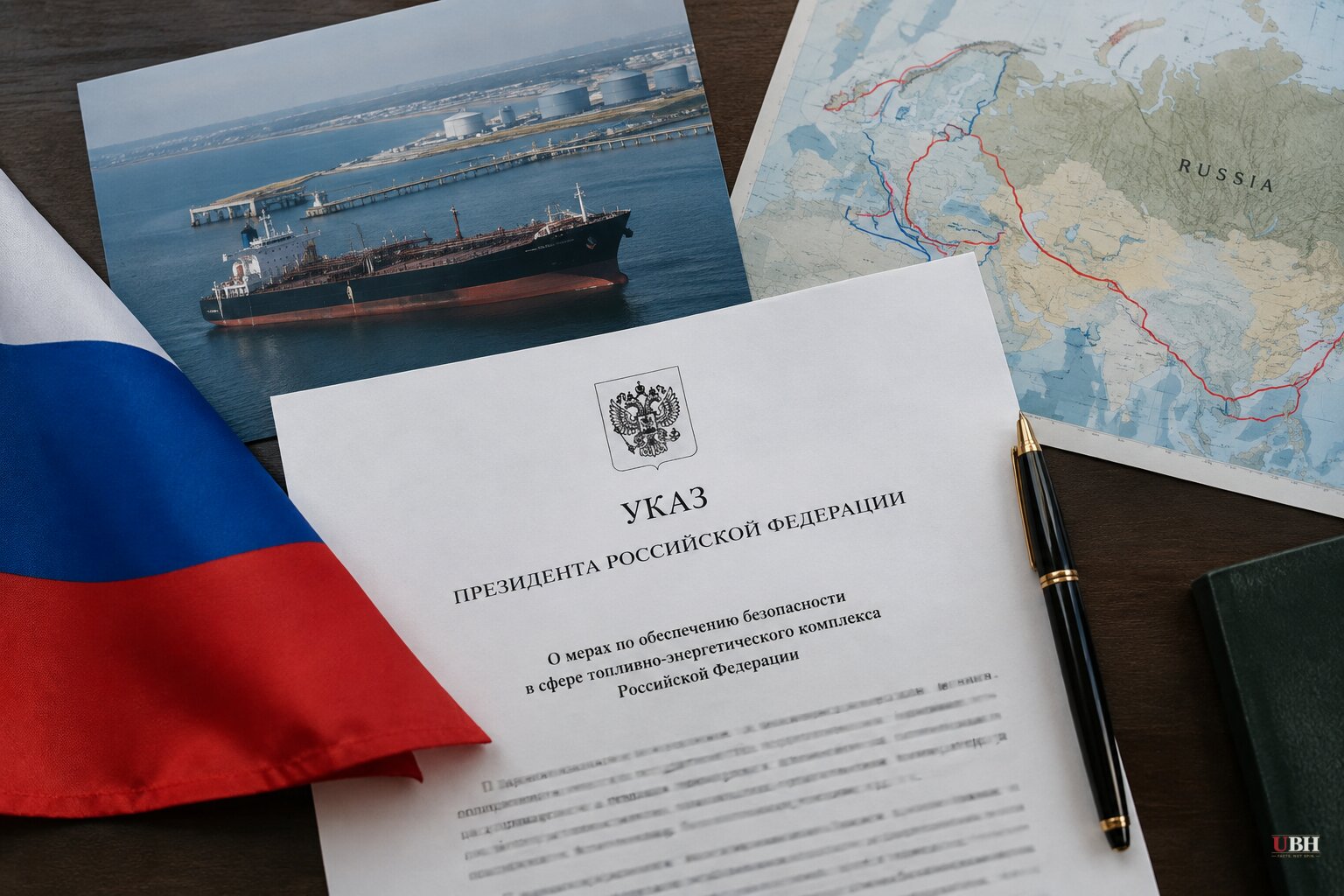
Vladimir Putin signed a decree on Monday, September 28, 2026, that dramatically expands what Russia is allowed to classify about its own energy sector, according to Reuters, as carried by Global Banking & Finance Review. The decree bars publication of data on the price, buyers, sellers, routes and destinations of Russian oil and gas exports. It also restricts disclosure of refinery processing volumes and product output for the first time.
The official justification, per the decree text published on Russia's legal information portal and reported by Anadolu Agency, cites the need for "urgent action in response to unfriendly acts contrary to international law" by the United States and allied nations. Translation: Moscow wants sanctions to be harder to enforce.
Russia started classifying crude oil production figures after Western sanctions hit following the 2014 annexation of Crimea, according to both Reuters and Anadolu Agency. Secrecy tightened further after the February 2022 invasion of Ukraine. Monday's decree is the next step in a pattern that's been building for over a decade.
What's newly covered under the decree, per Anadolu Agency's reporting: the names, quantities and prices of exported energy products; identities of sellers, buyers and intermediaries; payment settlements; delivery dates and times; transport vehicles; routes, terminals and storage facilities, including geographic coordinates; aggregated customs statistics; and planned sales volumes. Data can only become public if a company involved in a transaction chooses to disclose it. State agencies retain access within their legal authority. The Russian government has 10 days to specify which product codes fall under the restrictions and to set rules for automated processing of state data systems.
Why now, specifically
Ground News reported a detail that matters: Ukrainian drone strikes have hammered Russian refineries hard enough to cut gasoline production by roughly 20% and diesel output by nearly 30% nationwide. That's a massive hit to a major oil-exporting economy, and it's happening right as Moscow moves to black out the data that would let outsiders measure the damage.
One plausible motive is sanctions evasion, dodging the price cap that the US, UK and EU imposed on Russian crude. The other is optics: hiding how much Ukrainian strikes are actually hurting Russian refining capacity, both from Western intelligence and from Russia's own domestic audience.
A fair reading of Russia's position: plenty of governments, including the United States, classify certain strategic energy and logistics data for national security reasons. The Strategic Petroleum Reserve's drawdown schedules, military fuel logistics, and some export licensing details aren't fully public in the US either. Moscow's argument that a country under sanctions has some interest in shielding operational details from an adversary isn't inherently absurd on its face.
But the scope here goes well beyond typical security classification. Banning disclosure of buyer and seller identities, payment settlements and exact routes and terminal coordinates isn't about protecting military secrets. It's about making it impossible for outside investigators, journalists, or sanctions enforcers to trace who's still buying Russian oil and at what price, which is exactly the kind of transparency that price-cap enforcement depends on.
Global Banking & Finance Review noted the decree lands alongside another protective move: Russia has already extended its ban on price-cap-linked export contracts through the end of 2027. Taken together, these aren't isolated bureaucratic tweaks. They're a coordinated effort to keep Western regulators guessing about how much Russian oil is moving, to whom, and at what price.
What's unresolved
No Western government has yet announced a formal response to Monday's decree. The open question is whether the US Treasury and its allies can still enforce the $60-per-barrel price cap on Russian crude without the shipping, pricing and buyer data that Moscow just moved to classify. Enforcement has already been spotty, with reporting from multiple outlets over the past two years showing large volumes of Russian oil moving through shadow-fleet tankers with disguised ownership. This decree makes tracking that flow harder, not easier, and it does so at the exact moment Ukrainian strikes are putting real pressure on Russia's refining capacity.
Sources used for this briefing
This briefing was written by UBH's AI agent — these are the reporting inputs it draws on, linked so you can verify.


