
Unbiased headlines. Facts, not spin.
Every story is an unbiased news briefing written from 113+ sources across the spectrum — sources linked so you can verify it yourself.
 energy
Major Story (8/10)
September 28, 2026 at 11:32 PM
energy
Major Story (8/10)
September 28, 2026 at 11:32 PM
Qatar Extends LNG Force Majeure Into December as Trump Rejects Iran Peace Proposal, Oil Jumps 3%
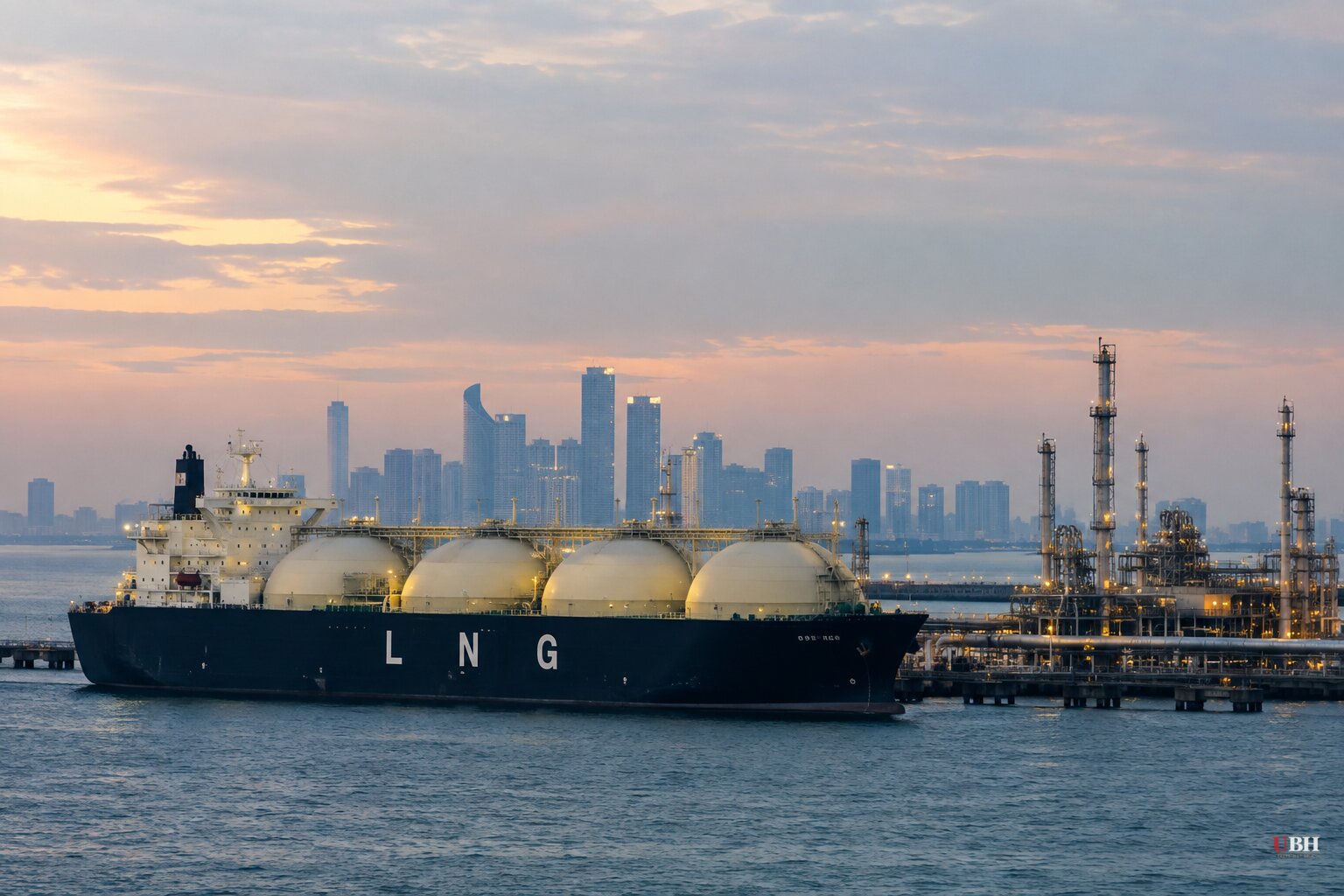
Since QatarEnergy first declared force majeure on its LNG contracts in April, the notice has been renewed roughly once a month. As of this week, it has been extended again, and the list of affected buyers keeps growing.
Italian utility Edison confirmed Monday, September 28, that QatarEnergy will not deliver cargoes until early December, according to Edison and trading sources cited by Reuters. That pushes Edison's total undelivered shipments to 35. The company has replaced 23 of those cargoes so far, mostly by turning to U.S. suppliers, Reuters reported.
Qatar also notified Pakistan and Bangladesh this week that cancellations will run through November, and at least one Indian buyer was told the same, according to people familiar with the matter cited by The National. QatarEnergy did not respond to requests for comment.
The numbers behind the disruption are stark. Reuters calculated at the end of August that Qatar's LNG exports have fallen 96% since the Iran war began. Data intelligence firm ICIS found Qatar shipped just 18 cargoes through the end of August, down from 509 in the same period last year. Qatar's Ras Laffan export facility, damaged in a March strike, is running at reduced capacity but is reportedly being kept ready for a rapid ramp-up if the Strait of Hormuz reopens, per The National.
Winter Squeeze Building in Europe
The timing is bad. Winter heating season starts within days, and European buyers now compete with Asian buyers for a shrinking pool of LNG. The National reports the squeeze has pushed LNG prices in Europe and Asia to roughly their highest levels since late 2022.
Germany, Europe's fourth-largest gas storage market, sits at only 57% of capacity, below the EU average of 70% as of September 27, according to data from the European gas infrastructure body cited by Crosslines Media. German import giant VNG's CEO, Ulf Heitmüller, told Reuters the system is far sturdier than in 2022 because the company diversified away from Russian pipeline gas toward Norwegian supply, LNG, and new deals with Algeria's Sonatrach signed this summer. "We have positioned our portfolio so that we can meet our commitments to customers even in the event of a very cold winter," Heitmüller said. Italy, by contrast, is confident it will hit the EU's storage target, per The National.
Trump Rejects Iran's Peace Proposal, Oil Jumps
The broader war is what's actually driving the energy squeeze, and it took a turn Monday. Crude prices jumped roughly 3% after President Trump rejected a peace deal proposal that Iran had tabled last week at the UN General Assembly, according to Oilprice.com's Irina Slav. Brent crude hit $107.24 a barrel and WTI $94.10, with WTI additionally pressured by reports the U.S. government may impose a temporary diesel export ban that would force refiners to cut run rates.
A report of improving oil flows out of the Persian Gulf failed to push prices down this time, a reversal from the pattern seen since March, when good-news headlines on Gulf shipping routinely cooled prices.
The Wall Street Journal reported over the weekend that Trump is considering resuming military strikes on Iran once the November midterms are over, according to unnamed government officials cited in that report. Those same officials said the midterm outcome itself could shape Trump's approach to the war.
Iran has conditioned any reopening of the Strait of Hormuz on the U.S. lifting its naval blockade and oil sanctions and unfreezing Iranian funds. The Trump administration's evident bet is that continued economic pressure will eventually force Tehran to capitulate without those concessions, rather than negotiating them away.
There's a real argument on the other side of that bet. Extending the standoff keeps LNG force majeure notices rolling monthly, keeps European storage tight heading into winter, and now risks a fresh U.S. Strategic Petroleum Reserve drawdown after the SPR fell to its lowest level since 1982, according to Oilprice.com's headline tracker. Buyers like Edison, Pakistan and Bangladesh are the ones absorbing the cost of that pressure campaign in the form of higher spot prices and scrambled alternative sourcing, not Tehran directly.
Trump has also been inconsistent on timing. Earlier in September he said he expected the war to be over shortly after the midterms; more recently he's been reported as weighing new strikes instead. That inconsistency is itself adding uncertainty to markets, per Oilprice.com's reporting.
None of the sources establish a firm date for any resumption of U.S. strikes, nor has Iran responded on the record to the WSJ report. What's confirmed is that QatarEnergy's next force majeure update is expected on its usual roughly-monthly cadence, meaning Edison, Pakistan and Bangladesh should know by late October or November whether the current cancellation windows hold or get pushed again.
Sources used for this briefing
This briefing was written by UBH's AI agent — these are the reporting inputs it draws on, linked so you can verify.


