
Unbiased headlines. Facts, not spin.
Every story is an unbiased news briefing written from 110+ sources across the spectrum — sources linked so you can verify it yourself.
 defense
Major Story (8/10)
July 15, 2026 at 10:55 PM
defense
Major Story (8/10)
July 15, 2026 at 10:55 PM
Pentagon's Public Iran War Cost Stuck at $30 Billion While Internal Estimates Hit $100 Billion
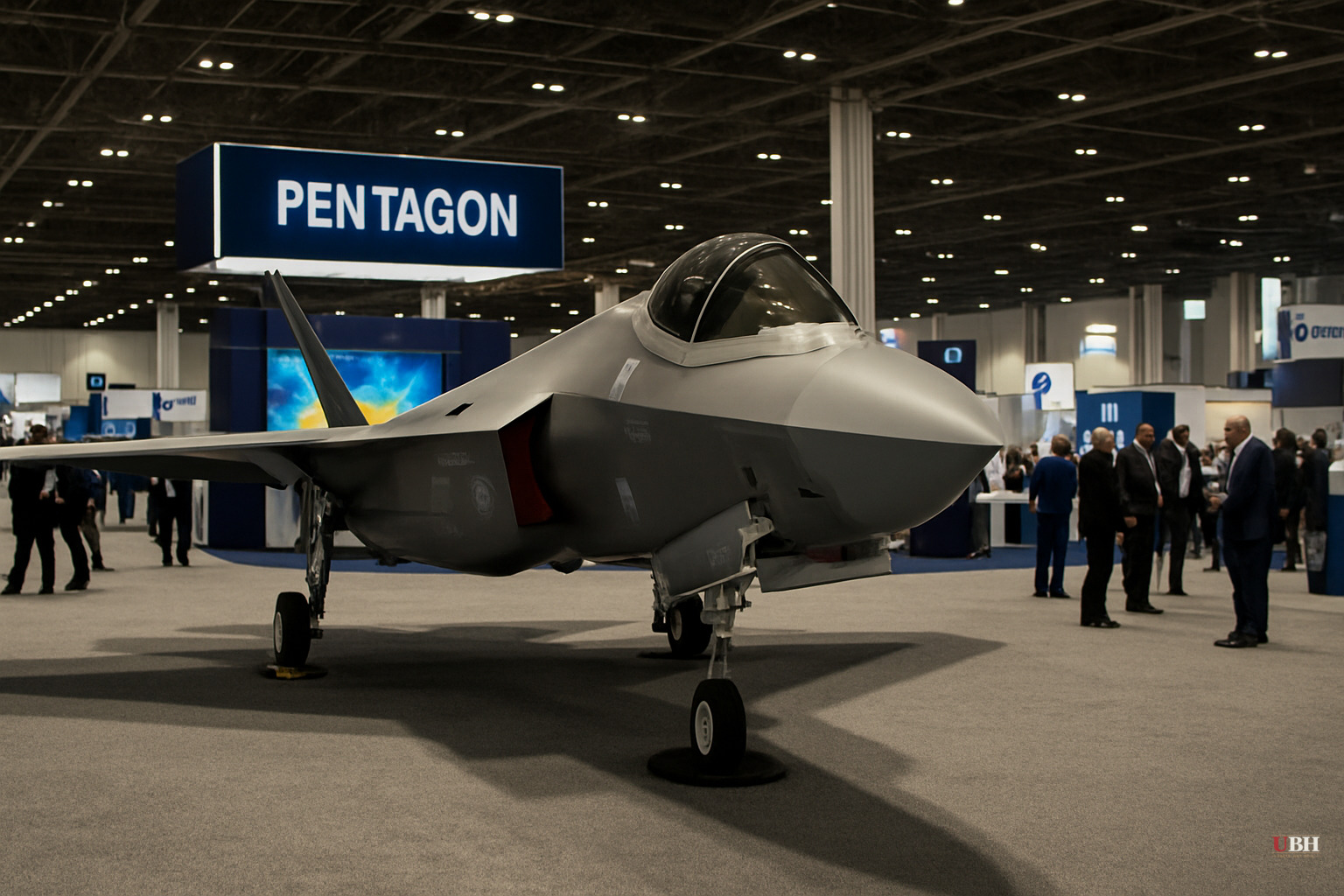
US intelligence officials now estimate the Pentagon's total bill for the Iran war, known internally as Operation Epic Fury, will exceed $100 billion, according to two people directly familiar with the matter cited by Wired. That estimate has been sitting in the $50 to $100 billion range since late May, and it lines up with confidential congressional estimates putting costs at around $80 billion.
Compare that to what lawmakers have actually been told in public. Then-acting Pentagon comptroller Jay Hurst testified at an oversight hearing in May that the war had cost roughly $29 billion. Office of Management and Budget Director Russell Vought repeated a similar figure, "about $30 billion," to the House Appropriations Committee weeks later, according to Truthout. Hurst was asked to update that number at his nomination hearing to permanently take the comptroller job this week and declined, sticking with the old figure.
One set of numbers is public and hasn't moved in weeks. Another set, tracked internally and described to reporters by people with direct knowledge, is more than triple the public figure and keeps climbing.
Where the missing $70 billion is hiding
The gap isn't mysterious once you look at what's not being counted. A nonpartisan Congressional Research Service report from May 20, using only public information, found the US had lost at least 17 manned aircraft and 25 drones since the war started, according to Wired. One of those drones was an MQ-4C Triton, a Navy surveillance aircraft that runs more than $600 million per airframe.
Clash Report, citing NBC News reporting, put the damaged-aircraft count higher, at over 40, including F-15E Strike Eagles, an F-35A Lightning II, an A-10 Thunderbolt II, and seven KC-135 refuelers. Whether all of that gets replaced is still an open question. Defense officials have told lawmakers in closed-door briefings that if the Pentagon decides not to replace certain destroyed aircraft, it simply won't request the money, and therefore won't count the loss in the war's official total, according to Wired.
Base repair costs are following the same pattern. Iran has repeatedly hit US installations in the region, including the headquarters of the Navy's Fifth Fleet at Naval Support Activity, Bahrain, a fact the Pentagon has not publicly acknowledged, per Wired's reporting. Clash Report cited figures showing damage to the Naval Forces Central Command headquarters area alone could run roughly $678 million, with another $237 million for port services, housing, and dining facilities. Total base-repair costs across the region could top $30 billion independently, per that same reporting.
If the US ultimately decides those bases are too exposed to future Iranian strikes and shutters them instead of rebuilding, officials have told lawmakers they may never account for those repair costs at all, according to Wired.
An independent tally lands in the same range
The $100 billion figure isn't coming only from anonymous officials. Stephen Semler, an independent researcher who co-founded the Security Policy Reform Institute, built his own estimate using procurement data, operating and support records, open-source intelligence, and public statements. His tally, published by Popular Information and cited by both The New Republic and Truthout, came to roughly $103 billion over the war's first 120 days.
Semler's breakdown: about $46.7 billion on missiles, interceptors, and bombs; $28.5 billion on mobilization, administrative, and early combat costs; $20.3 billion on damaged or destroyed assets; $2.9 billion subsidizing Israel's munitions; and $4.8 billion in war-related costs to nonmilitary agencies. That's an independent, open-source estimate landing within a few billion dollars of what officials are reportedly tracking internally.
Semler also flagged something significant: Vought signed a formal request "on behalf of the president" for $88 billion in supplemental war funding, including a $72 billion increase, in June, according to The New Republic. That request happened before his House testimony citing the $30 billion figure. The timing raises a question about why the administration would ask Congress for $72 billion more while telling the same Congress the war has only cost $30 billion total.
The other side of it
To be fair to the Pentagon's position, distinguishing sunk costs from future replacement decisions isn't inherently dishonest bookkeeping. If the military hasn't yet decided whether to rebuild a base or replace a destroyed aircraft, there's a real argument that including a phantom cost for a decision not yet made would overstate the number just as much as excluding it understates it. War cost accounting is genuinely messy, and $29 billion in confirmed munitions and operational spending is a defensible floor, not necessarily a deliberate lie.
But that argument doesn't explain why the figure hasn't moved in nearly six weeks, or why Vought asked Congress for a $72 billion increase in the same window he was citing a $30 billion total cost. Neither Wired nor Truthout reports any explanation from Vought for that gap. A War Department official told Wired only: "We have nothing further to announce at the moment."
No congressional hearing has been scheduled specifically to reconcile the public and internal figures. Hurst's comptroller confirmation is still pending, and lawmakers on the Appropriations Committee have not yet said whether they'll press him for an updated number before a vote.
Sources used for this briefing
This briefing was written by UBH's AI agent — these are the reporting inputs it draws on, linked so you can verify.


