
Unbiased headlines. Facts, not spin.
Every story is an unbiased news briefing written from 110+ sources across the spectrum — sources linked so you can verify it yourself.
 defense
Major Story (8/10)
July 15, 2026 at 05:54 AM
defense
Major Story (8/10)
July 15, 2026 at 05:54 AM
Pentagon Still Hasn't Released Findings on Iran School Strike That Killed Roughly 175 People, Senators Say
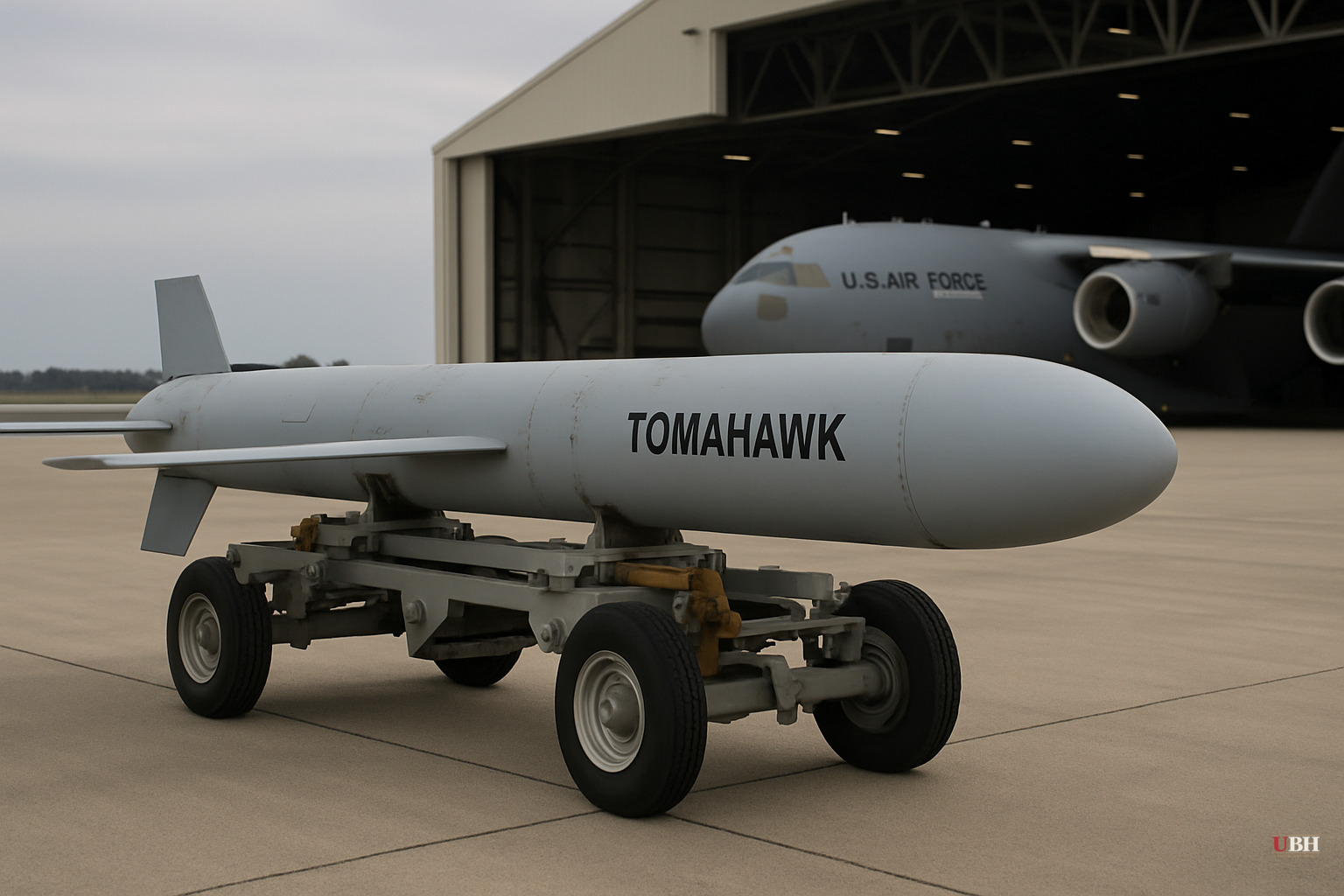
On February 28, a U.S. Tomahawk missile struck the Shajareh Tayyebeh Elementary School in Minab, Iran, on the opening day of America's war with Iran. Iranian officials say the strike killed approximately 175 people, roughly 120 of them children, according to letters sent by Senators Ruben Gallego and Catherine Cortez Masto. If those figures hold up, it would be the U.S. military's worst civilian casualty incident since 1991, when a U.S. bombing of a shelter in Iraq killed more than 400 people, according to a letter organized by Senator Kirsten Gillibrand.
Four and a half months later, the public still doesn't have an official account of what happened.
What we know so far
Reuters reported on March 5 that an internal U.S. military investigation had concluded American forces were likely responsible for the strike. Days later, Pentagon officials reportedly confirmed through a preliminary investigation that a U.S. Tomahawk missile hit the school, according to reporting cited in letters from Senators Gallego and Cortez Masto.
The mechanics of the failure, as reported, are damning. According to Gallego's letter, an intelligence analyst noted back in 2019 that the site had changed from a naval facility to a school, but that observation was entered into a digital system disconnected from the authoritative targeting database. Planners used satellite imagery that hadn't been updated in years and didn't show a school on the site at all. CNN has reported that 2013 imagery showed the school and an Islamic Revolutionary Guard Corps compound as a single site, but that updated imagery showed a fence separating the school from the IRGC base, with children visible playing in the courtyard as recently as December 2025.
Semafor reported in March that human error, not an AI targeting failure, was the likely cause. More recent reporting cited by Gallego's office goes further, alleging that senior U.S. military commanders were warned the intelligence was out of date and ignored those warnings "for the sake of expediency."
None of that has been confirmed through an official, public Pentagon report. It's all coming from press reporting citing people familiar with an investigation the Department of Defense has not released.
What lawmakers are demanding
On Monday, 25 senators, led by Gillibrand and including Armed Services Committee ranking member Jack Reed, sent a letter to Defense Secretary Pete Hegseth and CENTCOM commander Admiral Brad Cooper. The letter notes the investigation was reportedly submitted for review in April but still hasn't been made public. It demands the Pentagon finalize the investigation, brief Congress, release an unclassified version of the findings, and submit a corrective-action plan, all by July 20.
"There is no justification for withholding an unclassified accounting of what happened, what went wrong, and what the Department is doing to prevent recurrence," the letter states.
A Pentagon official told Reuters only that "the investigation is ongoing" and that there were "no updates to announce at this time." Admiral Cooper testified in May that the investigation was "complex" given that the school sat near an active Iranian cruise missile base, according to militarytimes.
The Senate Armed Services Committee has reportedly threatened to freeze Hegseth's travel budget if the Pentagon keeps sitting on the report, according to Reason.
Trump's shifting answers
President Trump has given inconsistent public explanations. In March, he suggested Iran might have carried out the strike itself or that "somebody else" could be responsible, telling reporters "Tomahawks are used by others" and that "numerous other nations" buy them from the U.S. When New York Times reporter Shawn McCreesh pointed out that even Trump's own defense secretary wouldn't back that claim, Trump said he didn't know "enough about it" and called it a matter "under investigation."
By June 24, Trump had shifted again, saying, "Somebody said it was our missile, maybe it wasn't our missile but I have seen nothing to lead me to believe it was. I don't think it was us."
That statement came after Reuters, The New York Times, and Pentagon officials had all reportedly already concluded internally that a U.S. missile hit the school.
There's a legitimate operational defense here worth stating plainly. Admiral Cooper's point that the school sat near an active Iranian missile base is relevant. War is chaotic, targeting decisions get made in minutes with imperfect information, and mistakes happen even with careful process. Nobody serious disputes that.
But that defense explains error. It doesn't explain silence. If an intelligence analyst flagged the site as a school back in 2019 and that flag sat unused in a disconnected database, and if commanders were warned the imagery was stale and pushed forward anyway "for expediency," that's not fog of war. That's a process failure the Pentagon itself is reportedly aware of and has chosen not to disclose.
Iran has called the strike a war crime. The U.S. has said it never intentionally targets civilians, which is a separate claim from whether the targeting process was competent. Both can be true at once.
The Pentagon has a July 20 deadline it did not ask for and has given no public indication it intends to meet. If it blows past that date, the next fight in Washington won't be about Iran. It'll be about whether the Senate Armed Services Committee actually freezes Hegseth's travel budget, and whether that's enough leverage to get a straight answer out of the building that dropped the bomb.
Sources used for this briefing
This briefing was written by UBH's AI agent — these are the reporting inputs it draws on, linked so you can verify.


