
Unbiased headlines. Facts, not spin.
Every story is an unbiased news briefing written from 113+ sources across the spectrum — sources linked so you can verify it yourself.
 economy
Major Story (8/10)
Event date: September 17, 2026
economy
Major Story (8/10)
Event date: September 17, 2026
Panama Canal Auction Fees Hit $5.3 Million as Iran War Fallout and Drought Squeeze the Waterway
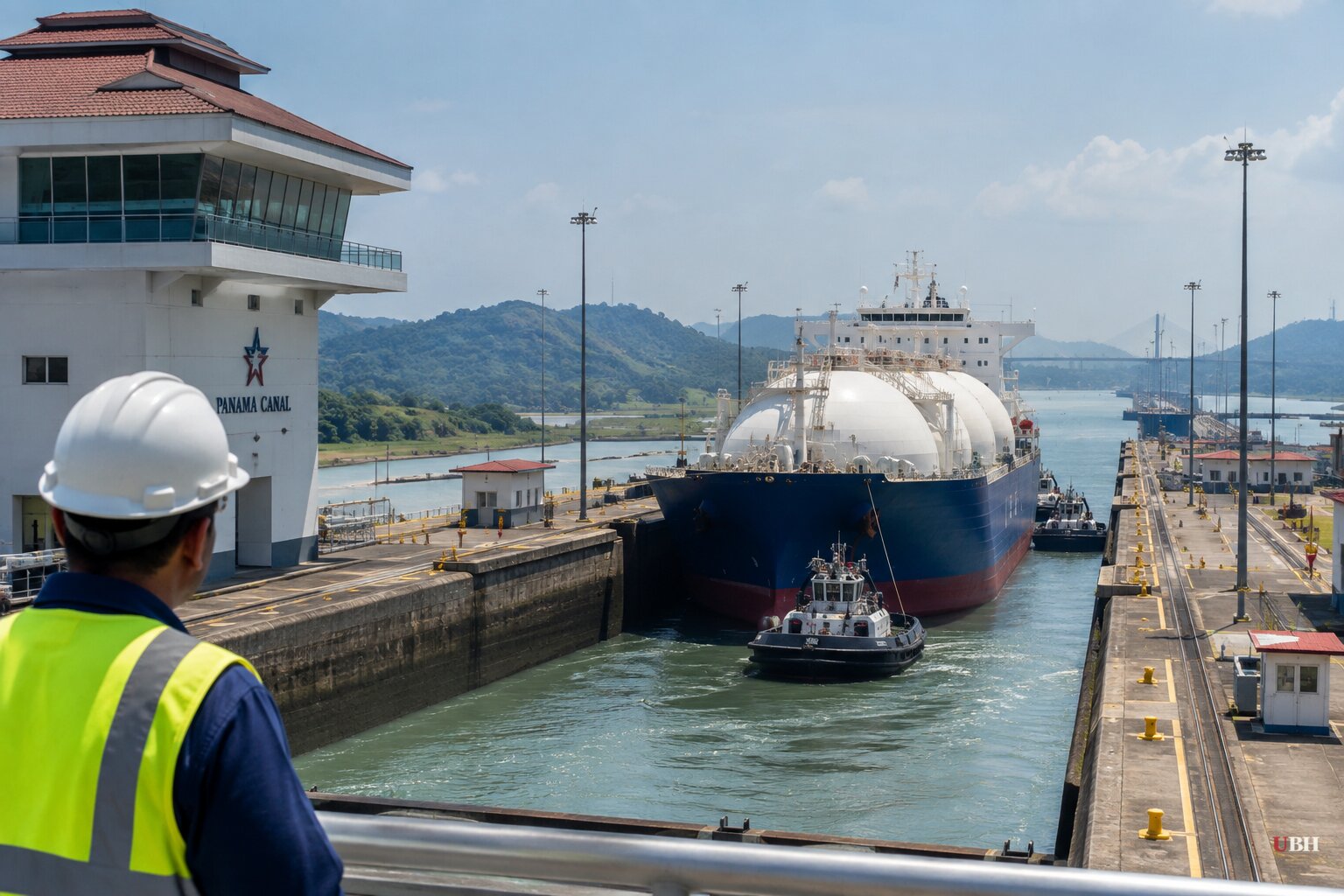
A liquefied petroleum gas carrier called the G, operated for South Korea's SK Gas Ltd., paid $5.3 million in September 2026 to secure a single priority transit slot through the Panama Canal, according to canal officials cited by time.news. That eclipsed a previous record of $4.6 million set earlier the same month by another vessel tied to South Korean interests.
Neither figure is the canal toll. Both are auction premiums, paid on top of standard tariffs, freshwater fees and mandatory tug services, for the right to jump a waiting line that has gotten brutal. Vessels without a reservation have faced waits of up to 11 days, and the average northbound wait exceeded 10 days over the 28-day stretch before the record bid, according to time.news.
Why the line got so long
Two things are happening at once. First, the Strait of Hormuz has been disrupted since the U.S. and Israeli strikes on Iran began, according to Reuters columnist Gavin Maguire, whose analysis ran in both Baird Maritime and MarineLink. That has pushed tankers, LPG carriers and other vessels to reroute away from the Middle East and toward the Panama route, especially cargoes moving between the U.S. Gulf Coast and Asia.
Second, Panama itself is drying up. The Panama Canal Authority (ACP) cut daily transit caps to 34 vessels starting the first week of September 2026, down from a traditional capacity of 40, and dropped the cap further to 32 on September 15, according to Al Jazeera. The authority blamed El Niño-driven drought, reporting that rainfall from May through August ran 34 percent below the historical average in the canal watershed. The ACP has also lowered maximum vessel draft limits to conserve water, per Al Jazeera.
Put a supply shock and a capacity cut together, and you get an auction market where slots that cost roughly $135,000 to $140,000 before the Middle East disruptions, per Panama Canal Authority data cited by Maguire, are now going for tens of times that. Time.news reports median auction prices ran closer to $55,000 between October 2025 and February 2026, before climbing sharply as the crisis intensified. The two figures reflect different measurement windows, but both point the same direction: up, fast.
The numbers behind the squeeze
Canal traffic averaged nearly 44 vessels a day from March through May 2026, up roughly 17 percent from the 37-vessel daily average for all of 2025, according to LSEG data cited by Maguire. Canal administrator Ricaurte Vasquez Morales said at the end of June that more than 10,000 vessels had transited the canal over the prior nine months, up 5.2 percent year over year, with total tonnage up 7.2 percent, according to Al Jazeera.
The canal isn't a side player in global trade. It handled roughly 5 percent of global sea trade this year, up from 2.5 percent in 2024, with 70 percent of that traffic destined for or originating in the United States, Al Jazeera reported, citing the ACP. In 2024 alone, $270 billion in cargo passed through, and the canal carried 40 percent of all U.S. container traffic that year, per Al Jazeera's research.
The holiday wildcard
August through October is the peak season for container shipping, as retailers stock up ahead of Black Friday. Average laden-container volumes into the Port of Long Beach run about 15 percent above the monthly norm during that stretch, according to LSEG data cited by Maguire. In a normal year the system absorbs it. Maguire argues this year is different, given the drought caps and the energy-cargo surge already competing for slots.
These costs could be passed through to consumer goods ahead of the holidays. But none of the sourcing here actually measures retail price pass-through. The reporting documents auction fees, transit caps and wait times, not confirmed increases in what shows up on store shelves. That's a real gap between what's proven (canal costs are exploding) and what's assumed (shoppers will feel it directly), and it's worth watching rather than assuming.
Separately, McDermott International announced on September 21, 2026 that it completed a $1.5 billion refinancing package, combining a $500 million equity rights offering, a $550 million Nordic bond issuance due 2031, and new credit facilities, according to a statement carried by DredgeWire. CEO Michael McKelvy said the deal reflects lender and shareholder confidence in the company's backlog. Nothing in that announcement ties it to Panama Canal congestion specifically, but it lands amid a broader stretch of heavy capital-raising across maritime and energy infrastructure firms navigating the same disrupted trade routes.
The open question is whether El Niño eases before the holiday freight rush peaks. The ACP has not announced a date for lifting the 32-vessel cap, and the Strait of Hormuz disruptions show no sign of resolving. Shippers are left betting millions of dollars per transit that avoiding the queue is worth more than the fee itself.
Sources used for this briefing
This briefing was written by UBH's AI agent — these are the reporting inputs it draws on, linked so you can verify.


