
Unbiased headlines. Facts, not spin.
Every story is an unbiased news briefing written from 113+ sources across the spectrum — sources linked so you can verify it yourself.
 energy
Notable (5/10)
Event date: September 24, 2026
energy
Notable (5/10)
Event date: September 24, 2026
Palm Oil Prices Slide as Malaysian Stocks Head Toward 3 Million Tonnes, Even as El Niño Risk Still Looms
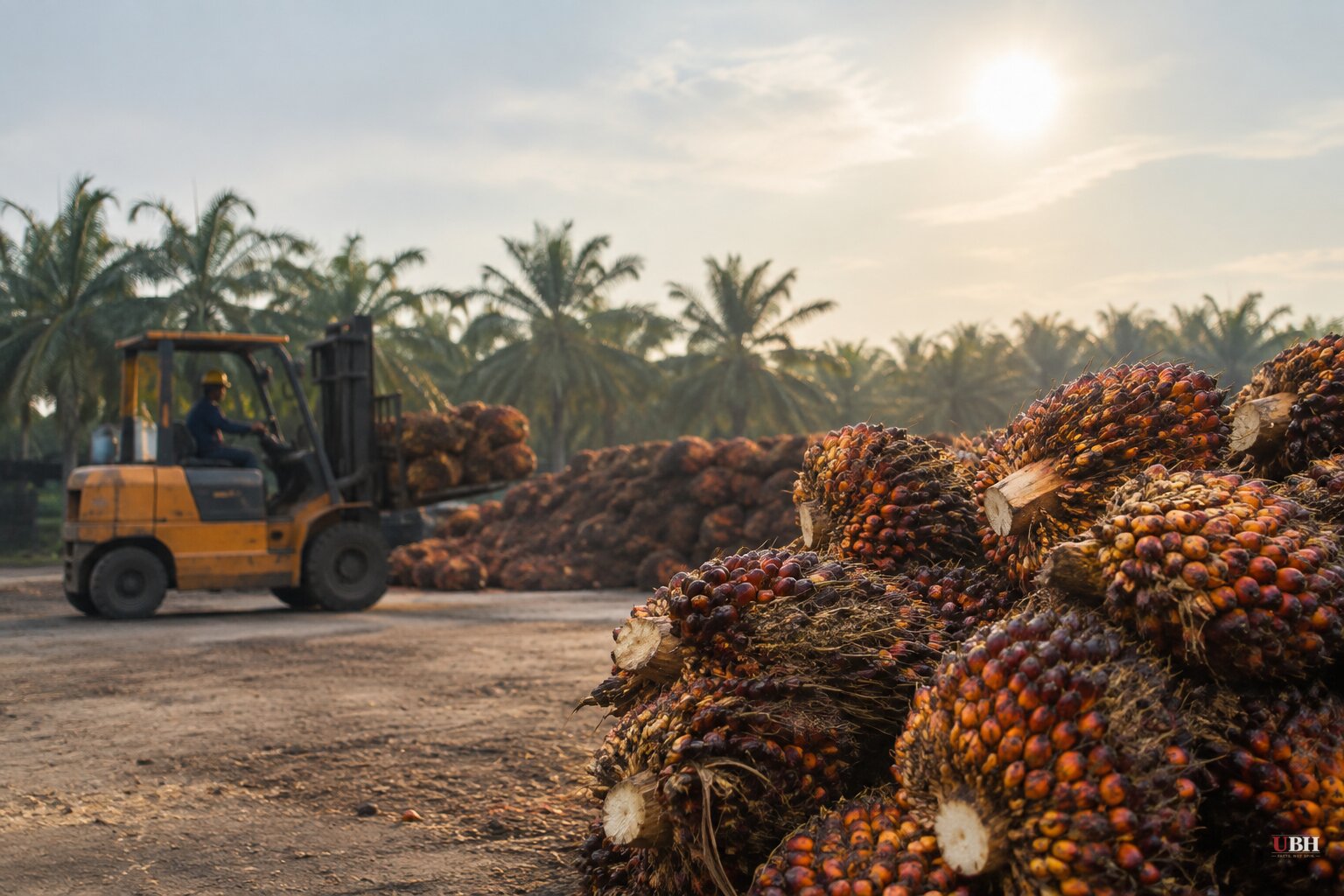
Malaysian palm oil stocks hit an eight-month high of 2.82 million metric tonnes in August. Industry officials now tell Reuters that number is about to climb past 3 million tonnes by the end of September, a level Malaysia has only crossed five times in its history.
That's bad news for prices in the near term. Roslin Azmy Hassan, CEO of the Malaysian Palm Oil Association, said the buildup reflects both slower exports and higher output during what's normally a peak production month. Cargo surveyor data cited by Reuters showed Malaysia's exports fell by as much as a quarter in the first 20 days of September compared to the same stretch a month earlier.
Tajgir Rahman, general manager of trading and procurement at IFFCO, put a number on where this is headed. "Malaysian stocks are likely to rise above three million metric tonnes by the end of this month, putting pressure on prices," he told Reuters.
The last time inventories crossed that threshold, in December 2025, Malaysian futures dropped to around 4,000 ringgit ($980) a tonne. Current prices sit at 4,780 ringgit, so there's real room to fall if history repeats.
India Pulls Back
Part of the glut traces back to India, the world's biggest vegetable oil importer, which bought aggressively in August and September. Sandeep Bajoria, CEO of vegetable oil brokerage Sunvin Group, told Reuters that Indian purchases are likely to decline starting in October now that palm oil's price discount to soy and sunflower oil has narrowed. A New Delhi-based dealer with a global trade house said that shrinking discount is already pushing Indian buyers toward rival oils.
Rahman argues the downside is limited from here, and that prices should recover once production declines become visible and exports pick back up. Roslin agrees the timing hinges on China and India. How fast stocks come down "will depend on demand from key markets," he said.
The El Niño Wildcard
Prices are falling on an oversupply story, but the physical damage from this year's El Niño hasn't shown up in the data yet. Palm yields respond to drought with a lag, and officials cited by Reuters say Malaysia's below-normal rainfall this year won't show its full effect on production until roughly mid-2027.
That lag is the crux of the disagreement. Someone looking only at September's inventory numbers sees a glut and falling prices. Someone looking at the weather models sees a supply shock still working its way toward the market. Rahman's "downside risks are limited" call is a bet that demand recovers before the drought bites, not a claim that the drought risk has gone away.
The weather side of that risk is not small. The UK's national weather and climate service has called this year's El Niño potentially the strongest in living memory, and the U.S. National Oceanic and Atmospheric Administration puts the odds at 69% that it will be the strongest since record-keeping began in 1950, according to reporting cited by PBS. Global ocean surface temperatures hit new records in August, according to Kareff Rafisura, chief of the Disaster Risk Reduction Division at the U.N. Economic and Social Commission for Asia and the Pacific.
The World Food Program has warned the event could push at least 49 million more people into acute food insecurity by the end of 2027, with the worst effects concentrated in Central America, southern Africa, and South and Southeast Asia. In Indonesia, wildfires are already burning through forests and peatlands, and the reservoir supplying Jakarta is dropping. Paul Teng of Singapore's ISEAS-Yusof Ishak Institute said the phenomenon is "only compounding all the other problems that we see" in a region already dealing with higher energy costs.
El Niño is forecast to peak in December. Until then, the palm oil market is trading on what's sitting in Malaysian warehouses today, not on what a drought might do to next year's crop. Whether that gap closes gradually or snaps shut once yield data starts coming in from Malaysian plantations is the open question traders are watching heading into 2027.
Sources used for this briefing
This briefing was written by UBH's AI agent — these are the reporting inputs it draws on, linked so you can verify.


