
Unbiased headlines. Facts, not spin.
Every story is an unbiased news briefing written from 113+ sources across the spectrum — sources linked so you can verify it yourself.
 energy
Major Story (7/10)
Event date: September 21, 2026
energy
Major Story (7/10)
Event date: September 21, 2026
NATO's Rutte Warns Europe's Refinery Shutdowns Threaten Wartime Fuel Supply
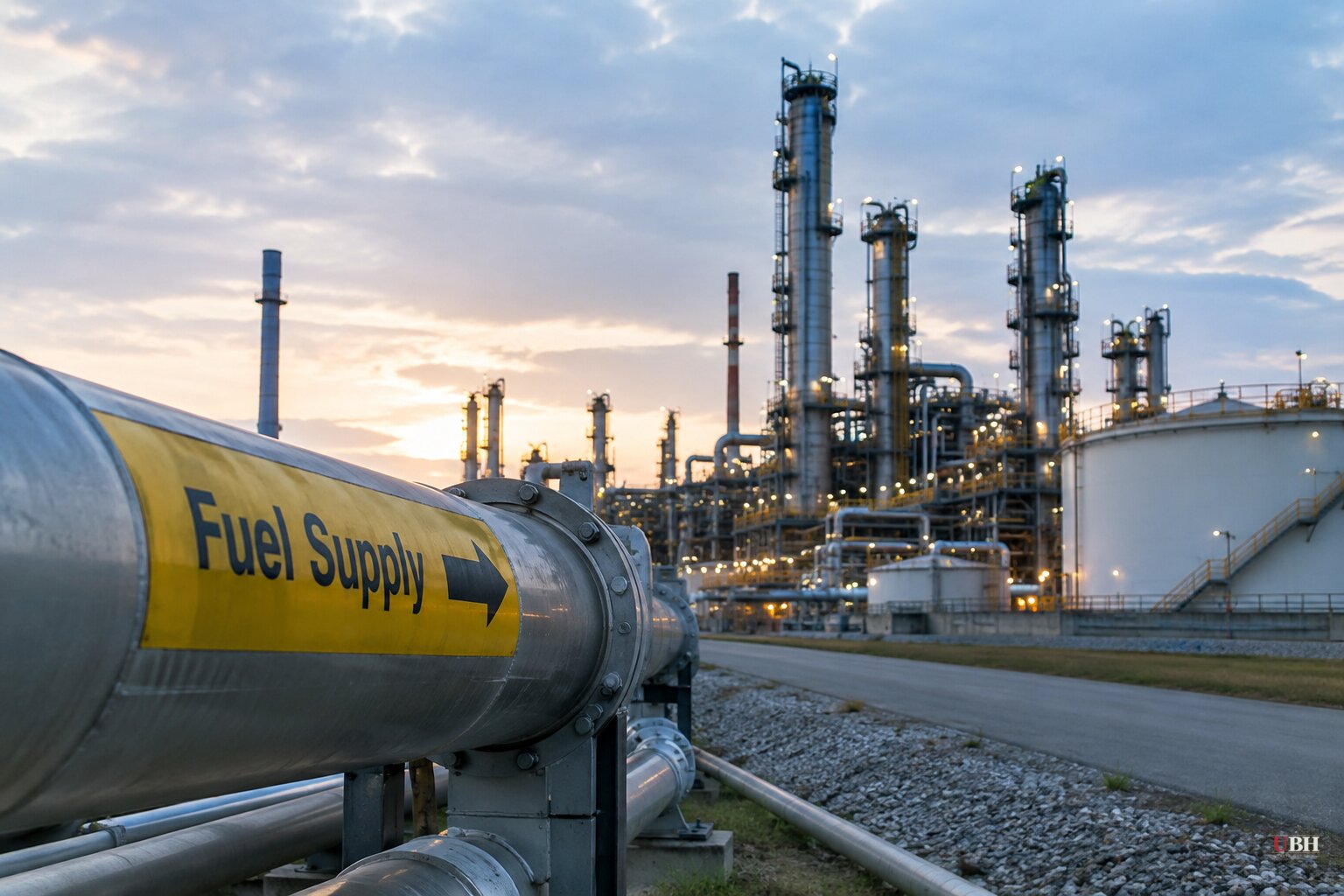
Since NATO chief Mark Rutte first warned on Monday, September 14, that Russian drone strikes near the Polish border showed Vladimir Putin's "desperation," the alliance's public messaging has widened from battlefield escalation to a quieter problem: whether Europe could even fuel a war if one started.
On Thursday, September 24, Rutte told Bloomberg Television that Europe's refinery closures concern the alliance's defense posture. "What we are seeing is no new refineries being built in Europe. We are seeing that refineries are being closed down," Rutte said, according to Breitbart's transcript of the interview. "If war breaks out, if the Russians would attack and we have to defend ourselves, we need massive amounts of diesel and other oil products for our F-35s, our fighter jets, for our tanks, etc., and that is a concern."
Rutte's comment came in response to a question from Bloomberg co-host Annmarie Hordern about a potential U.S. diesel export ban and what it would mean for NATO fuel supplies. Rutte declined to weigh in directly on the dispute between Washington and the European Union, saying it "isn't helpful" for him to comment, but he made clear the refinery issue stands on its own regardless of how that trade fight resolves.
Europe Is Closing Plants While Touting Its Ability to Hit Russia's
Rutte's warning lands just as Polish Foreign Minister Radosław Sikorski made the opposite argument about Russia's refineries. Speaking after a visit to Ukraine, Sikorski said NATO's European air forces, thanks to air superiority, could "destroy half of Russia's oil refineries faster than Ukraine has" done with drone strikes, even without U.S. participation, according to RBC Ukraine.
The International Energy Agency has already downgraded its forecast for Russian refining output over the next 18 months to roughly 4 million barrels per day, about 30% below pre-war levels, per RBC Ukraine's reporting on the IEA data. The agency attributes the decline to sustained Ukrainian drone strikes on Russian refineries combined with only partial repairs.
Russian Foreign Ministry spokeswoman Maria Zakharova dismissed Sikorski's remarks as "Russophobia of the brain" and claimed he was predicting a quick Polish victory over Moscow. RBC Ukraine's own reporting notes that characterization misses the point: Sikorski was describing a scenario where NATO as a whole is at war with Russia, not a Poland-versus-Russia confrontation.
NATO's own military planners believe European air power could cripple Russia's refining industry inside days. At the same time, NATO's Secretary General says Europe's own refining capacity is shrinking. The same alliance holds both positions at once.
Budgets Are Rising Even as Refining Capacity Falls
The refinery warning comes as European governments pour money into defense elsewhere. German Defense Minister Boris Pistorius is asking the Bundestag to approve nearly €140 billion, about $160 billion, for defense spending next year, a record sum, according to Defense News. NATO's top military commander said Thursday the United States would keep providing "critical but more limited capabilities" to the alliance going forward, per Defense News, a signal that Europe is expected to shoulder more of its own defense burden, including, presumably, its own fuel supply.
Refinery closures across Europe have largely tracked falling domestic demand for diesel and gasoline as vehicle fleets shift toward electric power. Defenders of the trend argue Europe can simply import refined fuel from allies like the United States or Gulf producers rather than maintain costly domestic refining capacity that sits partly idle in peacetime.
But Rutte's point is specifically about wartime resilience, not peacetime efficiency. Imported fuel depends on open sea lanes and functioning trade relationships, both of which are exactly what NATO planners say Russia would try to disrupt in a conflict. A continent that can't refine its own diesel is betting its own tanks and jets on supply chains an adversary could target.
Germany's cabinet already approved a 2045 phaseout of fossil fuels earlier this week over its own economy minister's objections, part of the broader European push away from oil infrastructure. Whether that timeline gets revisited in light of Rutte's warning, or whether Brussels and Washington resolve their diesel export standoff, remains an open question neither NATO nor the EU has answered publicly.
Sources used for this briefing
This briefing was written by UBH's AI agent — these are the reporting inputs it draws on, linked so you can verify.


