
Unbiased headlines. Facts, not spin.
Unbiased Headlines is an independently owned news organization. We bring you the facts, not opinions, written fresh from 110+ named sources. Sources linked so you can verify it yourself.
 energy
Notable (6/10)
PAGASA Says Very Strong El Niño Is Present, Projects Drought in 87 Provinces by March 2027
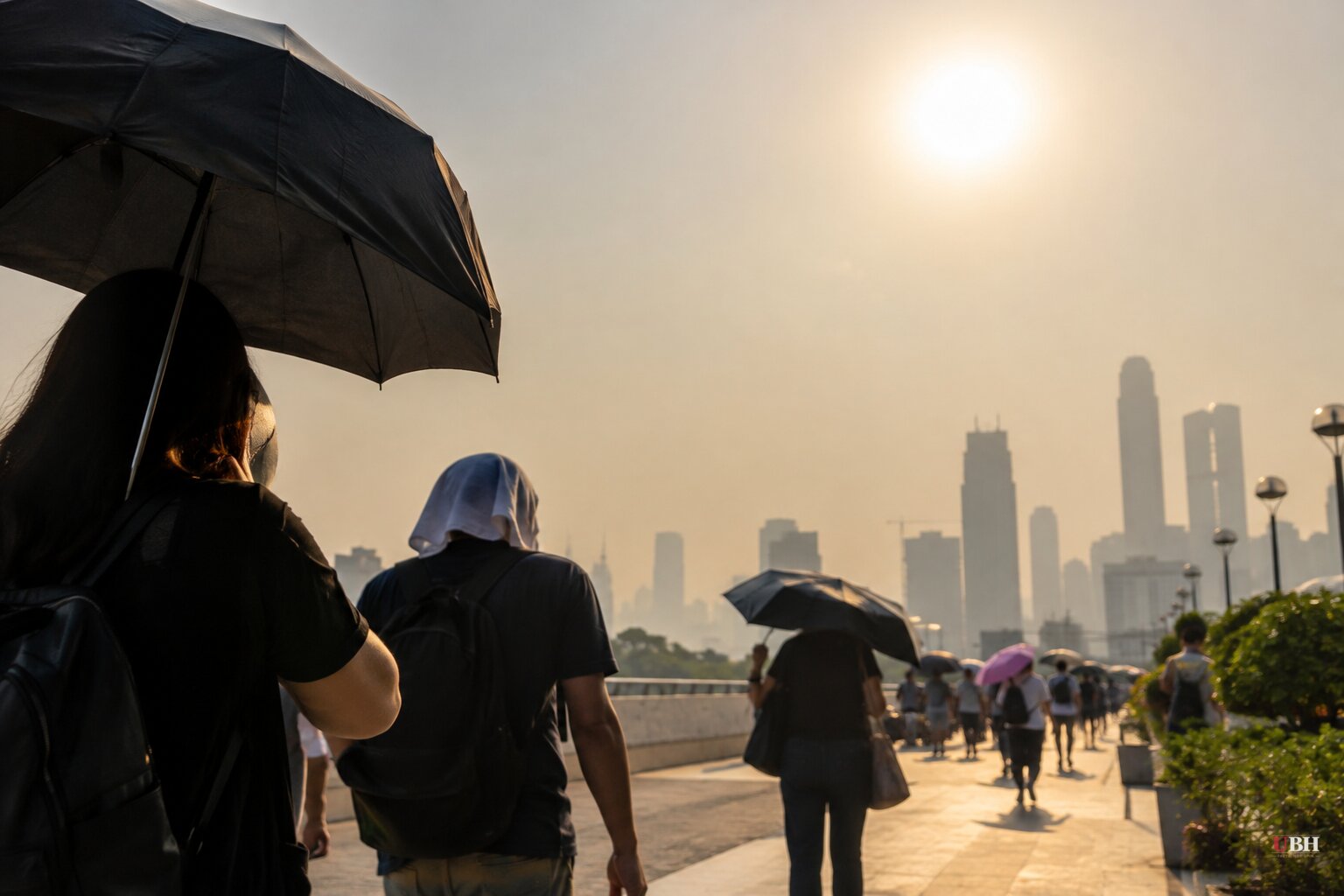
A very strong El Niño is now present in the tropical Pacific, and the worst of it has not arrived yet.
PAGASA Climate Monitoring and Prediction Section chief Ana Liza Solis said so on Wednesday, Nov. 4, at a House Committee on Agriculture and Food hearing. "Most climate models predict that the ongoing El Niño will persist until the first quarter of 2027, with its peak expected before the end of 2026," she told lawmakers. Impacts may last through the first half of 2027.
The numbers behind the label
Solis told reporters after the hearing that sea surface temperature anomalies in the tropical Pacific averaged about 2.5°C from August to October. That is above the 2-degree threshold PAGASA uses to classify a very strong event.
As of Oct. 31, five provinces were in meteorological drought, 11 provinces and highly urbanized cities were in dry-spell conditions, and another 10 provinces were in dry conditions, according to Solis.
Her projections for meteorological drought, the earliest stage of drought:
- 26 provinces by December
- 48 by January
- 68 by February
- 87 by March 2027
PAGASA's forecast for the nearer term is also grim. The bureau has said 12 areas could face drought by the end of November: Albay, Camarines Norte, Camarines Sur, Catanduanes, Capiz, Negros Oriental, Leyte, Samar, Siquijor, Southern Leyte, Misamis Oriental and Isabela City in Basilan. It lists another 57 areas at risk of dry spells and 11 at risk of dry conditions.
PAGASA defines drought as three consecutive months of rainfall at least 60 percent below normal, or five consecutive months of rainfall 21 to 60 percent below normal.
Not every place is dry yet
Solis stressed that drought does not mean zero rain. "It does not mean that there is no rain," she told lawmakers in Filipino. "The rain has just decreased."
PAGASA said one or two tropical cyclones could still enter or cross the country in November and December. The bureau's outlook for November 2026 to April 2027 shows below-normal to way-below-normal rainfall across much of the country.
Metro Manila has so far been spared. Solis said in a radio interview on Tuesday that the capital "has yet to feel the impacts of El Niño because of recent rain events," and that dry conditions are forecast to begin there in December or January. She said the intertropical convergence zone had recently eased El Niño's effects in Mindanao and parts of the Visayas.
Daytime temperatures could also stay above normal even as the northeast monsoon sets in. PAGASA forecaster Chris Perez advised people to avoid going outdoors between noon and 3 p.m. and to drink plenty of water, especially construction workers. He urged senior citizens to stay indoors in well-ventilated rooms to reduce the risk of heat stroke, heat cramps and exhaustion.
The damage so far
The costs are already on the books. The Department of Social Welfare and Development says 356,800 Filipinos were affected by El Niño in October. The Department of Agriculture says agricultural damage topped P8.57 billion in October alone, and that is before the projected peak.
At the hearing, Agriculture Assistant Secretary U-Nichols A. Manalo said the department is coordinating with local governments and farmer groups to identify areas that need help and to push out advisories. "We have farmer guidance, all provinces have it," he said.
The Department of Environment and Natural Resources is preparing water structures and rainwater harvesting systems.
That is a lot of preparation announced for a threat PAGASA has been flagging for months. It is not yet clear whether the money and equipment will reach the 87 provinces PAGASA says could be in meteorological drought by March, and it is taxpayers' money on the line. The agencies have not given a total budget or a delivery timeline at this hearing.
What comes next
PAGASA is set to issue El Niño Advisory No. 6 with updated assessments and impact forecasts. The next test is December, when the bureau's own projection puts 26 provinces in meteorological drought and Metro Manila is forecast to begin drying out.
Sources used for this briefing
6 links from 6 independent newsrooms (syndicated copies of the same report count once)
These are the sources it draws on, linked so you can verify.


