
Original briefings. Zero spin.
Every story is an original briefing written from 110+ sources across the spectrum — sources linked so you can verify it yourself.
 energy
Breaking / Critical (9/10)
September 2, 2026 at 09:08 PM
energy
Breaking / Critical (9/10)
September 2, 2026 at 09:08 PM
OPEC+ Set to Freeze October Oil Quotas Sunday as Iran War Craters Hormuz Shipping
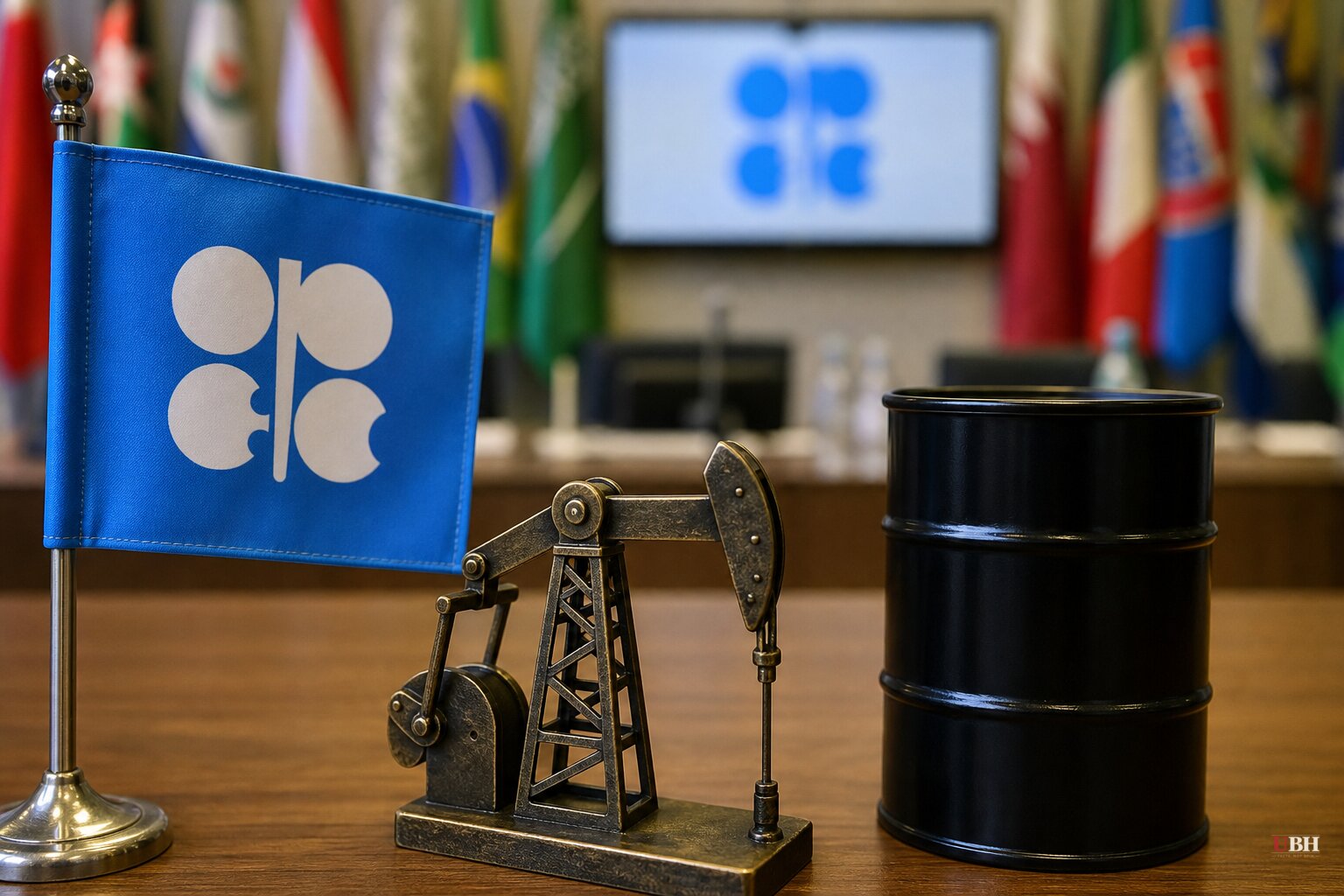
OPEC+ delegates say the cartel plans to leave production quotas unchanged for October when the group holds its monthly video conference on Sunday, September 6, according to two delegates who spoke to Briefs.co on condition of anonymity because the talks are internal. Russia's Deputy Prime Minister Alexander Novak, cited by Interfax, said he doesn't expect any push to cut quotas at that meeting either. Demand, he said, is recovering.
The Saudi-and-Russia-led task force finished unwinding roughly 1.65 million barrels per day of voluntary cuts that had been paused since 2023, according to roic.ai. Middle East producers can't actually deliver those barrels because they're stuck in the middle of a shooting war.
A War Now in Its Seventh Month
The U.S.-Iran conflict began with joint U.S.-Israeli strikes on Iranian targets in late February, according to Channel NewsAsia. Wednesday's exchange was the biggest since July: U.S. forces struck Iran's southern coast, and Iran fired on American bases across the region. Brent crude settled up 98 cents, or 1%, at $95.63 a barrel. WTI rose 79 cents to $91.01. Both benchmarks hit their highest intraday levels since July 24.
Mark Schaefer, a director at brokerage Liquidity Energy, called it "a significant escalation after roughly a month of relative calm," telling clients the U.S. targeted Iranian radar and mine-laying capability while Iran retaliated against U.S. positions region-wide. The Islamic Revolutionary Guard Corps said the strikes would further restrict Hormuz traffic, and state media cited an IRGC statement claiming two oil tankers hit sea mines and were disabled trying to transit the strait Wednesday.
Nobody Agrees on How Open the Strait Actually Is
Preliminary Kpler shipping data cited by Reuters showed only four commodity vessels transited the Strait of Hormuz Wednesday, well below the 10-day average of roughly 13. Iran has also expanded its list of vessels deemed "non-compliant," subject to fines, confiscation, or detention.
Yet U.S. Energy Secretary Chris Wright claimed Tuesday that 17 million barrels of oil transited the strait on Monday alone, calling it the largest single-day volume since the war began. Goldman Sachs reported last Friday that Gulf exports have climbed back to 15-16 million barrels per day, roughly two-thirds of pre-war levels.
President Trump said Tuesday no negotiations with Iran were underway and insisted the strait remains open. Iran's parliamentary speaker, Mohammad Bagher Ghalibaf, said Hormuz will stay closed until the U.S. meets its commitments under a memorandum of understanding, without specifying what those commitments are. Both claims don't fully align with the shipping data, and none of these sources resolve which numbers reflect the actual physical flow of oil today.
A reasonable skeptic could argue Wright's figure and the Kpler ship count aren't necessarily contradictory. One counts barrels, the other counts vessels, and a handful of supertankers could move more oil than a larger number of smaller ships. When the administration's energy chief describes record-breaking flows the same week Iran is mining tankers and the vessel count is running 70% below normal, the discrepancy warrants closer examination.
The Squeeze Shows Up in Diesel and China
Crude prices haven't spiked as violently as the physical disruption alone would suggest, according to roic.ai, because China has bought roughly 400 million fewer barrels since the war began compared with the same period a year earlier, citing lower refining runs and rising EV adoption. That's acting as a brake on crude even as supply gets squeezed.
Refined products haven't been so lucky. U.S. diesel futures hit a 52-month high after climbing 51% over ten weeks, according to TradingView, a sign that product markets are reacting harder to the disruption than crude itself. The Energy Information Administration reported U.S. crude inventories fell 4.5 million barrels, and the International Energy Agency said in its August 12 monthly report that the global supply deficit will widen, with Q3 inventory draws running at twice its earlier estimate.
Iraq, meanwhile, approved a temporary mechanism letting international and local companies export crude through multiple outlets for three months starting September 1, aimed at cutting its reliance on the Gulf shipping routes that most of its exports currently use, Reuters reported.
The Bigger Question for 2027
OPEC+'s influence keeps shrinking regardless of what it decides Sunday. The group's share of global output has fallen to about 40%, down from more than 48% earlier in the year, according to Reuters data cited by roic.ai. The next real fight comes when members negotiate 2027 quotas based on claimed production capacity, a process that's historically contentious since a higher baseline means a bigger future share.
Separately, Under Secretary of War for Acquisition and Sustainment Michael Duffey told Fox News's "Special Report" Tuesday that the Pentagon is racing to rebuild weapons stockpiles strained by the war, arguing "the Biden administration did not deliver" on defense industrial investment. Whether that stockpile push affects how long Washington sustains the current posture toward Iran, and whether the strait genuinely reopens to normal traffic, remains unanswered heading into Sunday's OPEC+ meeting.
Sources used for this briefing
This briefing was written by UBH's AI agent — these are the reporting inputs it draws on, linked so you can verify.


