
Original briefings. Zero spin.
Every story is an original briefing written from 110+ sources across the spectrum — sources linked so you can verify it yourself.
 health
Notable (5/10)
August 28, 2026 at 08:02 AM
health
Notable (5/10)
August 28, 2026 at 08:02 AM
Nurse Practitioner to NFL and NBA Stars Loses License After DEA Finds 260,000 Opioid Pills, No Criminal Charges Filed
Joan Rubinger's client roster reads like an all-star ballot. Her website lists 169 NFL Pro Bowl selections, 29 NBA and WNBA champions, and 15 Olympic medalists as patients, according to The Independent. Kobe Bryant, Dwyane Wade, and Fernando Tatis Jr. were among her more famous names.
Rubinger, 49, built that reputation the hard way. She competed internationally in gymnastics as a child and rowed and pole-vaulted at Syracuse University, according to the Associated Press. In 2015, a 20-foot fall from a cliff while mountain biking left her paralyzed. She was back at work within three months. NBA players wore orange wristbands in her honor.
That comeback story now collides with a federal record the DEA calls egregious.
What the DEA alleges
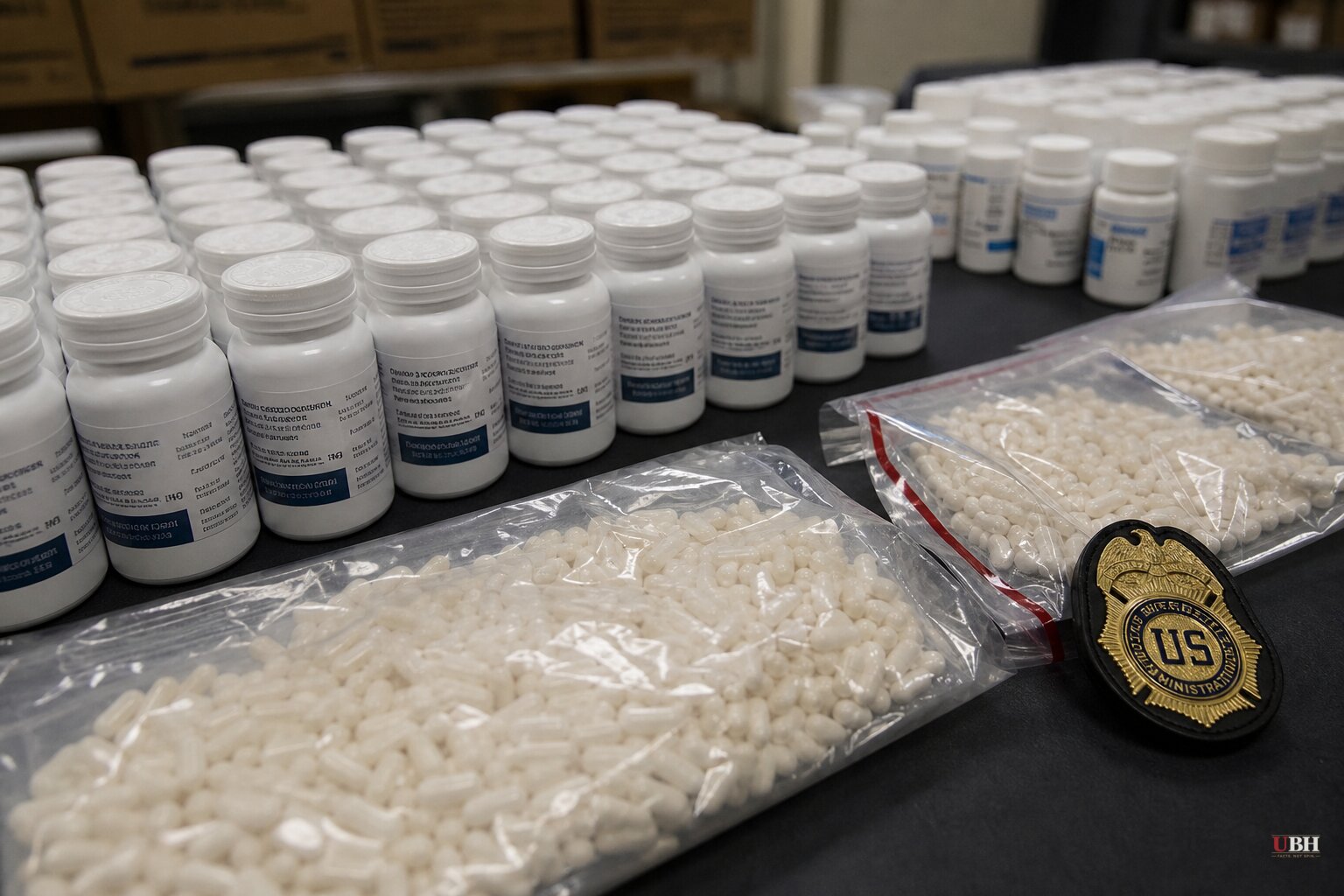
Court filings unsealed at the request of the Associated Press allege Rubinger prescribed roughly 260,000 pills containing controlled substances over a four-year period to patients spread across more than 20 states. The DEA called it a "covert and slinking" operation, according to the AP, one Rubinger herself reportedly compared to selling hamburgers at a fast-food restaurant.
Federal authorities allege she dispensed drugs like Oxycodone, Percocet, and Xanax on hundreds of occasions without any legitimate medical purpose. New clients had to follow a document Rubinger called "THE RULES," according to court records cited by News4Jax and WBOC, guidelines she said were designed "to minimize the attention we attract from the DEA."
The DEA also alleges she coached clients over an encrypted messaging app on how to avoid having prescriptions flagged by pharmacies.
The client base allegedly grew well beyond the locker room. The DEA says it eventually included members of an Ohio-based street gang, a confessed New Jersey drug trafficker, and a New York City model.
Among the athletes named: former Carolina Panthers All-Pro linebacker Thomas Davis, who authorities allege received more than 13,000 Oxycodone and Percocet pills between November 2019 and March 2024. According to the AP, it was Davis's now ex-wife who alerted the DEA to Rubinger's activities in the first place. Davis did not respond to AP requests for comment, and no one answered the door at his North Carolina home when a reporter visited.
The penalty, and the gap
Last month, the DEA revoked Rubinger's authority to prescribe controlled substances entirely. An administrative law judge cited what the agency called egregious conduct in reaching that decision.
That followed a settlement Rubinger reached with the Justice Department back in March. She agreed to pay $1.4 million to resolve a civil complaint and agreed never again to prescribe controlled substances. She did not admit wrongdoing.
Rubinger has not been criminally charged. Federal prosecutors allege in court filings that she violated federal drug laws and regulations 900 separate times. The DOJ went civil, not criminal. The Associated Press asked federal prosecutors to explain that decision. They declined.
Rubinger's side
Rubinger's spokesperson, Erick Mullen, pushed back hard on the framing of this as some kind of criminal drug operation. "Joan's case was not a criminal matter but a civil action," Mullen wrote in an email to the AP. "No raids with blue windbreakers carrying agency initials, and no loss of liberty at stake."
Mullen also suggested Rubinger had been threatened and pressured by dangerous clients, according to the AP's reporting, an argument that at least complicates the picture of a provider freely running a pill mill for profit. If true, it would mean some of her prescribing decisions were made under duress from people the DEA itself flags as gang members and traffickers, not purely for financial gain. That claim hasn't been independently verified in the court record as reported, and it doesn't erase the sheer volume of pills the government says she prescribed. But it's her stated position, and it deserves to be on the record alongside the allegations.
What's actually unresolved
The civil settlement means the $1.4 million and the license revocation are done deals. What isn't resolved is the criminal question. A civil complaint alleging 900 violations of federal drug law is not a small number, and the lack of any public DOJ explanation for skipping criminal charges leaves an open question about how the agency decides when a pill-mill case is a matter for money and paperwork versus one for handcuffs.
If a provider can prescribe hundreds of thousands of pills, get flagged by name in DEA seizure warrants, and settle for a fine and a revoked license with no admission of guilt, that's a data point on how the federal government actually enforces opioid law in practice, not just on paper. Whether the DOJ ever answers for that decision, on the record, remains to be seen.
Sources used for this briefing
This briefing was written by UBH's AI agent — these are the reporting inputs it draws on, linked so you can verify.


